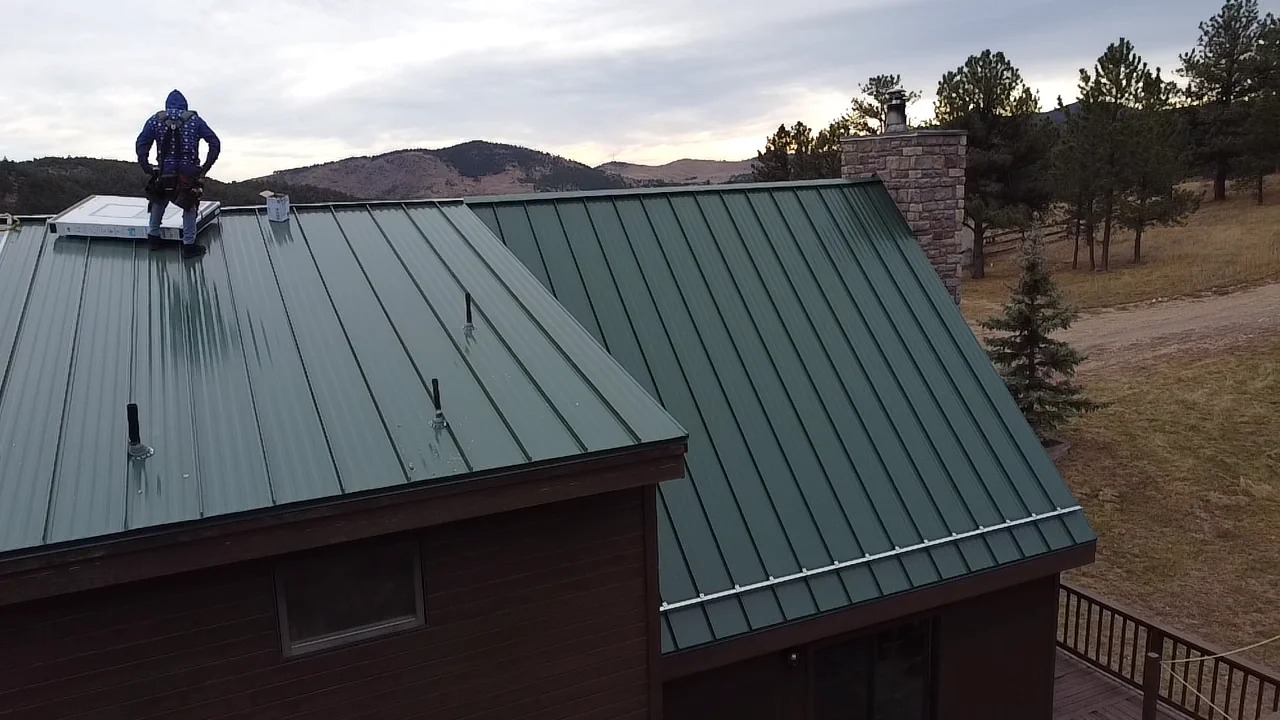
Preparing your roof before winter helps prevent leaks, ice dams, structural stress, and costly emergency repairs. Winter roof preparation in Northern Colorado should include a professional roof inspection, gutter cleaning, flashing repairs, attic insulation checks, and proper drainage maintenance to protect against snow accumulation, freeze-thaw cycles, and severe winter weather.
Key Takeaways
- Schedule a professional roof inspection in early fall, before the first major snowfall.
- Clean gutters and downspouts to maintain proper drainage and reduce ice buildup along roof edges.
- Inspect shingles, flashing, roof vents, and other penetrations for damage that could allow moisture intrusion.
- Check attic insulation and air sealing to reduce heat loss and prevent ice dams.
- Repair loose or damaged roofing materials before winter winds, snow, and freezing temperatures make existing problems worse.
Why Does Northern Colorado Roofing Need Special Winter Preparation?
Northern Colorado roofs face a combination of snow, freezing temperatures, strong winds, and significant seasonal temperature changes. These conditions place repeated stress on shingles, flashing, underlayment, fasteners, and drainage systems.
In Greeley, Fort Collins, Loveland, and Windsor, winter temperatures can fluctuate enough to create repeated freeze-thaw cycles. Snow can melt during warmer daytime conditions and refreeze overnight, allowing moisture to accumulate around vulnerable roof components.
Three regional conditions make seasonal preparation particularly relevant:
- Freeze-thaw exposure: Water entering small cracks or vulnerable roof areas can freeze, expand, and worsen existing damage.
- Seasonal temperature swings: Cold winters and hot summers cause roofing materials, metal flashing, and sealants to expand and contract over time.
- High-elevation solar exposure: At approximately 4,700 feet, Greeley experiences strong solar exposure that can contribute to long-term roofing material deterioration.
Summit Roofing Solutions has served Greeley and surrounding Northern Colorado communities since February 2012. Our team understands the importance of preparing residential and commercial roofing systems for the region’s changing weather conditions.
What Should You Inspect Before Winter Arrives?
A pre-winter roof inspection should identify damaged materials, drainage problems, and vulnerable areas before snow and ice make repairs more difficult. We recommend evaluating the entire roofing system rather than focusing exclusively on visible shingles.
The following checklist identifies the primary components homeowners should address.
| Roofing Component | What to Inspect | Recommended Action |
| Asphalt shingles | Cracks, curling, missing granules, and loose shingles | Replace damaged shingles |
| Roof flashing | Gaps, corrosion, lifting, or deteriorated sealant | Repair or replace compromised flashing |
| Gutters | Leaves, debris, loose connections, and sagging sections | Clean and secure gutters |
| Downspouts | Blockages and restricted drainage | Clear obstructions and confirm proper discharge |
| Roof vents | Damaged covers, loose connections, and obstructions | Repair or replace damaged components |
| Roof valleys | Debris accumulation and damaged protective materials | Clear debris and inspect flashing |
| Attic insulation | Thin coverage, gaps, and uneven distribution | Improve insulation where needed |
Shingles and flashing deserve particular attention. Even small openings around roof penetrations, chimneys, skylights, and valleys can allow melting snow to enter the roofing system.
Homeowners should avoid walking on icy or snow-covered roofs. A qualified roofing professional can inspect these areas using appropriate safety equipment and identify problems that may not be visible from the ground.
How Can You Prevent Ice Dams on Your Northern Colorado Roof?
Ice dams develop when heat escaping from a home warms the roof deck, melts accumulated snow, and allows water to refreeze near colder roof edges. The resulting ice barrier can prevent additional meltwater from draining properly, increasing the risk of water intrusion beneath shingles.
Ice dams are particularly concerning during Northern Colorado’s winter temperature fluctuations. Repeated melting and refreezing can create conditions that allow moisture to enter vulnerable roof areas.
Effective prevention involves several steps:
- Seal attic air leaks: Close gaps around plumbing penetrations, electrical wiring, recessed lighting, attic access points, and other openings that allow warm air to escape.
- Improve attic insulation: Maintain appropriate insulation levels to reduce heat transfer between living spaces and the roof deck.
- Maintain attic ventilation: Proper ventilation helps manage attic temperatures and moisture while supporting overall roofing performance.
- Inspect roof-edge protection: Verify that appropriate underlayment and ice barriers are installed where required.
- Keep gutters clear: Remove leaves and debris so melting snow can drain without unnecessary obstructions.
Expert Tip: Ice dam prevention begins inside the home, not just on the roof. Warm air escaping into an attic can heat the roof deck, melt accumulated snow, and cause water to refreeze at colder eaves. Proper attic air sealing, insulation, and ventilation can help reduce this risk before winter storms arrive.
Homeowners experiencing recurring ice dams should investigate attic conditions rather than relying exclusively on exterior roof repairs.
When Should You Schedule Winter Roof Preparation in Northern Colorado?
Early fall is generally the best time to schedule winter roof preparation because temperatures are more favorable for inspections and many roofing repairs. Addressing problems before sustained freezing conditions arrive can reduce the likelihood of emergency repairs during winter storms.
We recommend following this seasonal maintenance schedule:
| Timing | Recommended Maintenance |
| September to October | Schedule a professional inspection and identify necessary repairs |
| October to November | Clean gutters, clear roof valleys, and address flashing problems |
| Before the first snowfall | Verify attic insulation, air sealing, and ventilation |
| During winter | Monitor interior ceilings, attic conditions, and visible ice accumulation |
| Early spring | Inspect for potential winter damage and address necessary repairs |
Waiting until snow has accumulated can complicate inspections, delay repairs, and increase safety risks. Planning ahead also gives property owners more time to evaluate replacement options if an inspection reveals significant deterioration.
For homes with older roofing systems or previous storm damage, an inspection before winter is especially worthwhile.
What Roofing Problems Should You Repair Before Snowfall?
Roofing problems that allow water penetration or compromise structural performance should be addressed before winter weather arrives. Even minor defects can become more difficult to repair after repeated freezing, thawing, and snow accumulation.
Prioritize the following issues:
- Missing or damaged shingles: Exposed roofing areas can allow wind-driven moisture to reach underlying materials.
- Loose flashing: Gaps around chimneys, vents, skylights, and roof transitions can become entry points for melting snow.
- Damaged gutters: Poor drainage can contribute to water accumulation and ice formation near roof edges.
- Deteriorated sealants: Aging sealants around penetrations may no longer provide reliable moisture protection.
- Previous hail damage: Hail-related shingle damage can compromise roofing performance and should be evaluated before winter.
- Poor attic ventilation: Inadequate ventilation can contribute to moisture problems and uneven roof temperatures.
Northern Colorado also experiences severe thunderstorms and high winds, particularly during the warmer months. Previous storm damage may not become obvious until winter moisture exposes weaknesses in the roofing system.
If you suspect hail or wind damage, consider having the roof professionally inspected before making assumptions about its condition. Summit Roofing Solutions also provides storm damage restoration and insurance claim repair services.
Should You Replace Your Roof Before Winter?
Roof replacement before winter may be appropriate when an inspection identifies widespread shingle deterioration, recurring leaks, extensive storm damage, or compromised roofing components. The decision depends on the roof’s condition, the extent of necessary repairs, and weather conditions during installation.
A roofing professional can help determine whether targeted repairs will provide adequate protection or whether replacement offers a more dependable long-term solution.
Consider these general indicators:
- Minor isolated damage: Individual shingle or flashing repairs may be sufficient.
- Multiple active leaks: A more comprehensive inspection is necessary to identify underlying damage.
- Widespread shingle deterioration: Roof replacement may be more practical than repeated repairs.
- Significant hail or wind damage: Professional assessment can determine the appropriate restoration approach.
Material selection also matters in Northern Colorado. Impact-resistant Class 4 asphalt shingles may provide additional resistance to hail damage compared with standard shingles.
Local roofing requirements vary. For example, Fort Collins has specific impact-resistance requirements for certain roof replacements involving at least 50% of a qualifying roof area, along with applicable ice barrier and high-wind installation provisions. Property owners should verify current municipal requirements before selecting materials or scheduling replacement work.
Frequently Asked Questions
How often should I have my roof inspected in Northern Colorado?
We recommend scheduling a professional roof inspection at least once annually, ideally in early fall before winter weather arrives. Additional inspections may be appropriate after significant hailstorms, high winds, or other severe weather events.
Can snow damage my roof even if it does not leak?
Yes. Accumulated snow adds weight to the roofing system, while repeated melting and refreezing can expose weaknesses in flashing, underlayment, and drainage components. A roof can experience deterioration before water intrusion becomes visible inside the property.
Should I remove snow from my roof during winter?
Most homeowners should avoid removing snow themselves because roof access creates significant fall and structural safety risks. If heavy accumulation or ice buildup raises concerns, contact a qualified roofing professional to evaluate the situation and recommend safe removal when necessary.
Do I need a new roof before winter if my shingles are damaged?
Not necessarily. Isolated shingle damage may require only targeted repairs, while widespread deterioration or extensive storm damage may justify replacement. A professional inspection can help determine the appropriate solution based on the roof’s overall condition.
Summit Roofing Solutions, LLC is the trusted, family-run Northern Colorado roofing contractor, providing high-quality craftsmanship and reliable roofing services across Greeley, Fort Collins, and Loveland for over 13 years since February 2012. Backed by decades of combined experience, we specialize in both residential and commercial roofing, handling full roof replacement, expert new construction roofing, and complete storm damage restoration. We are the local experts for seamless insurance claim repair, always prioritizing clear communication, clean job sites, and dependable timelines. With an A+ BBB rating and nearly 100 five-star reviews, when you need a top-rated Greeley roofer or certified Fort Collins roofing company for hail damage, trust us to protect your property and deliver total peace of mind under your next roof. You can learn more about our services, view customer reviews, and connect with a trusted Northern Colorado roofing contractor by visiting Summit Roofing Solutions on Google Maps, proudly serving Greeley, Fort Collins, Loveland, and surrounding communities.