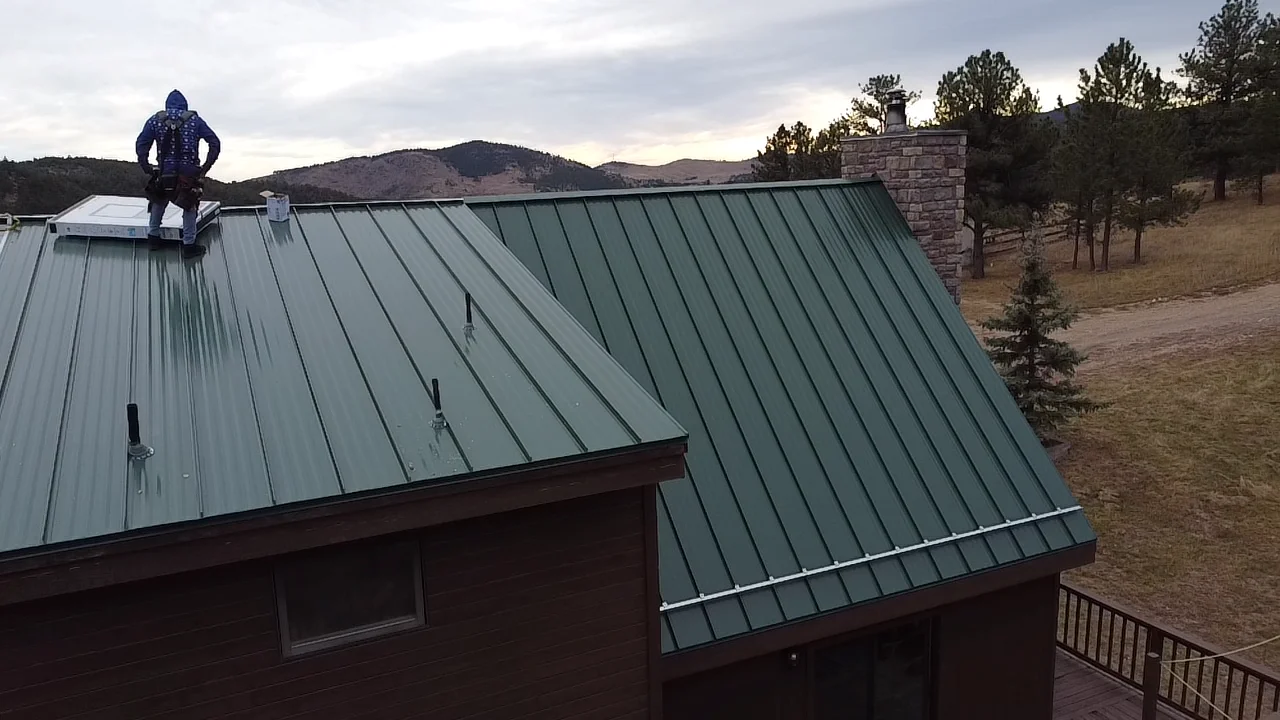
The process for navigating a roof insurance claim after hail damage in Greeley typically involves documenting the damage, scheduling a professional roof inspection, filing a claim with your insurance company, coordinating with an adjuster, and completing repairs or replacement. Understanding each step helps homeowners protect their coverage and ensure the claim is properly approved.
Key Takeaways
- Hail damage claims usually begin with a professional roof inspection and documentation before contacting your insurance provider.
- Insurance adjusters verify damage severity and determine whether repairs or full roof replacement qualify for coverage.
- Proper documentation, timelines, and contractor communication significantly increase claim approval success.
- Colorado hail events often trigger neighborhood-wide claims, especially in areas like West Greeley and the Promontory neighborhood.
- Experienced roofing contractors can help guide homeowners through inspections, adjuster meetings, and insurance paperwork.
What Is the Process for Navigating a Roof Insurance Claim After Hail Damage in Greeley?
The process begins with identifying hail damage and confirming whether the damage qualifies for an insurance claim. Most homeowner policies cover sudden storm damage, including hail impacts that compromise shingles, flashing, vents, and other roofing materials.
Hailstorms are a common weather event across Weld County and Northern Colorado. Storm systems moving across the Front Range frequently produce hail capable of damaging asphalt shingles, metal roofing components, and roof vents.
When homeowners notice possible damage after a storm, the first step is typically scheduling a professional roof inspection. Roofing contractors trained in storm damage evaluation look for specific indicators such as granule loss, bruised shingles, cracked seal strips, and dented metal fixtures.
If the inspection confirms storm-related damage, the next step involves documenting the damage with photos, inspection notes, and measurements. This documentation becomes essential evidence when filing a claim with your homeowner’s insurance provider.
Once the documentation is prepared, homeowners contact their insurance company to initiate the claim. Most major insurers such as State Farm, Allstate, USAA, and Farmers Insurance allow claims to be filed online, through mobile apps, or by phone.
After the claim is submitted, the insurance company assigns an adjuster to inspect the property. The adjuster’s role is to verify that the damage occurred during a covered event and determine the scope of necessary repairs or replacement.
If the claim is approved, the insurance provider issues an estimate outlining covered repairs. The homeowner can then move forward with repair or replacement work using a qualified roofing contractor.
For many homeowners, understanding what is the process for navigating a roof insurance claim after hail damage in Greeley helps reduce confusion during what can otherwise feel like a complex process.
How do homeowners know if hail actually damaged their roof?
Not every hailstorm causes significant roof damage. In many cases, damage is subtle and difficult to identify from the ground.
Professional roof inspections are the most reliable way to determine whether hail has compromised roofing materials.
Common signs of hail damage
Experienced roofing inspectors typically look for several key indicators:
- Circular or dark impact marks on asphalt shingles
- Granule loss exposing the underlying fiberglass mat
- Soft spots or bruising when gently pressed
- Dented metal flashing, vents, or gutters
- Damage to roof vents, skylights, or ridge caps
Because these signs can resemble normal aging or manufacturing defects, documentation from a trained roofing contractor helps confirm the cause of damage.
Why timing matters after a storm
Insurance policies often include deadlines for filing storm damage claims. In Colorado, homeowners usually have a limited window—often one year or less—to report hail damage.
Waiting too long can complicate claims because insurers may argue that damage resulted from wear and tear rather than a specific storm event.
After major storms in Northern Colorado, roofing contractors often inspect neighborhoods across West Greeley, the St. Michaels area, and communities near the University of Northern Colorado campus where hail paths frequently occur.
What happens during the insurance adjuster inspection?
Once a claim is filed, the insurance company schedules an adjuster to inspect the property.
The adjuster evaluates whether the roof damage meets the criteria for coverage under the homeowner’s policy.
What adjusters typically evaluate
- Roofing shingles and underlayment
- Flashing around chimneys and vents
- Gutters and downspouts
- Roof penetrations such as skylights
- Soft metal components like vents and flashing
Adjusters also review weather reports and storm tracking data to verify that hail occurred in the area during the reported timeframe.
Many insurers use meteorological verification tools such as NOAA storm reports or third-party weather analytics platforms to confirm hail size and storm activity.
Working with your contractor during the inspection
Many homeowners choose to have their roofing contractor present during the adjuster inspection.
This helps ensure that all visible damage is properly documented and discussed.
A roofing professional can point out areas that might otherwise be overlooked, such as subtle granule loss patterns or shingle bruising that only appears under close inspection.
“Most homeowners look for obvious dents, but the real giveaway is usually granule displacement. When the protective granules are knocked loose, the shingles begin deteriorating much faster.”
What repairs or replacements does insurance typically cover?
Coverage depends on the severity of the damage and the terms of the homeowner’s insurance policy.
In many cases, moderate hail damage may qualify for partial repairs. More severe impacts may require full roof replacement.
Situations that may qualify for roof replacement
- Multiple slopes of the roof show hail damage
- Shingles are fractured or structurally compromised
- Repairs cannot restore the roof to its original condition
- Matching materials are no longer available
Colorado regulations sometimes require insurers to replace entire slopes when materials cannot be matched due to age or discontinuation.
Deductibles and payment structure
Most policies require homeowners to pay a deductible before insurance coverage applies.
Once repairs are completed, insurance companies often issue payments in two stages:
- An initial payment based on actual cash value
- A second payment (recoverable depreciation) after repairs are completed
Why local experience matters for hail claims in Northern Colorado
Hailstorms affect Colorado differently than many other regions.
Northern Colorado sits within what meteorologists often refer to as “Hail Alley,” a corridor stretching from Wyoming through eastern Colorado and into the High Plains.
Because of this, local roofing contractors develop specialized expertise in storm damage inspections and insurance claim coordination.
Experienced contractors understand how hail impacts different roofing materials including architectural asphalt shingles, impact-resistant shingles, and metal roofing systems.
They also understand how insurance adjusters evaluate damage in the region.
When homeowners research what is the process for navigating a roof insurance claim after hail damage in Greeley, they often discover that working with a contractor familiar with local storm patterns and insurance processes can make the experience far smoother.
If you want to better understand the experiences other homeowners have had during the claims process, you can see what our customers are saying.
What should homeowners do immediately after a hailstorm?
After a major hailstorm passes through Greeley, there are several steps homeowners can take to protect their property and prepare for potential insurance claims.
Immediate post-storm steps
- Check for visible exterior damage such as dented gutters or downspouts
- Photograph any visible roof or siding damage
- Look for granules collecting in gutters or downspouts
- Schedule a professional roof inspection
- Avoid climbing onto the roof yourself if conditions are unsafe
Avoiding common insurance claim mistakes
Homeowners sometimes make avoidable mistakes during the claims process.
These can include delaying inspections, filing claims without documentation, or hiring contractors who lack storm damage experience.
Working with licensed and insured roofing contractors ensures inspections, documentation, and repairs meet professional standards.
It also helps ensure compliance with local building codes and manufacturer installation requirements.
Frequently Asked Questions
How long do homeowners have to file a hail damage claim in Colorado?
Most homeowner insurance policies allow between 6 and 12 months to report hail damage. However, policy terms vary by provider, so reviewing your policy or contacting your insurance representative is recommended.
Does hail damage always require full roof replacement?
Not necessarily. Minor hail damage may qualify for repairs rather than replacement. Insurance companies evaluate factors such as the number of damaged shingles, roof age, and material condition.
Should a roofing contractor meet the insurance adjuster?
Yes, many homeowners choose to have their contractor present during the adjuster inspection. This helps ensure that storm damage is properly documented and evaluated.
Will filing a hail claim increase my insurance premiums?
Individual claims typically do not increase premiums by themselves. However, widespread storm activity in a region may lead to broader premium adjustments across an insurance market.
How long does a hail damage roof claim usually take?
The process can take anywhere from a few weeks to several months depending on claim approval timelines, contractor scheduling, and material availability.
Summit Roofing Solutions, LLC is the trusted, family-run Northern Colorado roofing contractor, providing high-quality craftsmanship and reliable roofing services across Greeley, Fort Collins, and Loveland for over 13 years since February 2012. Backed by decades of combined experience, we specialize in both residential and commercial roofing, handling full roof replacement, expert new construction roofing, and complete storm damage restoration. We are the local experts for seamless insurance claim repair, always prioritizing clear communication, clean job sites, and dependable timelines. With an A+ BBB rating and nearly 100 five-star reviews, when you need a top-rated Greeley roofer or certified Fort Collins roofing company for hail damage, trust us to protect your property and deliver total peace of mind under your next roof. You can learn more about our services, view customer reviews, and connect with a trusted Northern Colorado roofing contractor by visiting Summit Roofing Solutions on Google Maps, proudly serving Greeley, Fort Collins, Loveland, and surrounding communities.