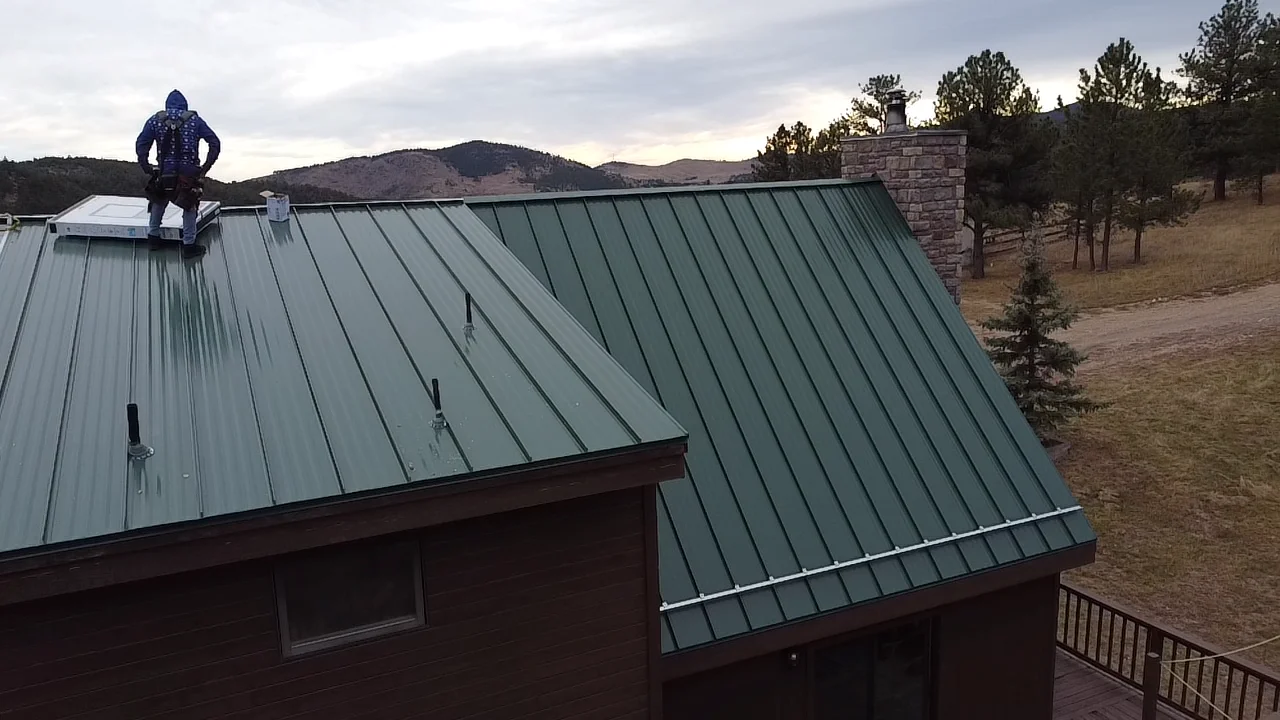
Commercial flat roofing systems are cost-efficient, durable, and easier to maintain than many pitched alternatives, making them a preferred choice for warehouses, retail buildings, and industrial facilities. They offer simplified installation, improved accessibility for maintenance, and flexible space for HVAC units, solar panels, and drainage systems, all while supporting long-term structural performance in diverse climates like Northern Colorado.
Key Takeaways
- Commercial flat roofing reduces installation and long-term maintenance costs for business owners
- These systems maximize usable rooftop space for equipment, HVAC, and solar integration
- Flat roofing improves accessibility, making inspections and repairs faster and safer
- Modern materials like TPO, EPDM, and PVC increase durability and energy efficiency
- Proper installation and drainage design are critical to long-term performance in Colorado weather
What Are the Benefits of Commercial Flat Roofing
Commercial flat roofing is one of the most practical solutions for modern commercial buildings because it balances affordability, efficiency, and functionality. Unlike sloped roofs, flat systems provide a streamlined surface that reduces material complexity and allows for faster installation timelines.
For businesses in Northern Colorado, including Greeley, West Greeley, and nearby Evans, this roofing style is especially valuable due to its adaptability to snow loads, hail events, and intense seasonal temperature swings. Facilities near landmarks like Island Grove Regional Park often favor flat roofing systems for their structural simplicity and long-term performance reliability.
At Summit Roofing Solutions, LLC, we’ve spent over 13 years helping commercial property owners design, install, and maintain roofing systems that align with their operational needs and budgets. Over that time, we’ve seen firsthand how flat roofing can reduce lifecycle costs while improving building functionality.
One of the most important advantages is accessibility. Maintenance crews can safely walk on flat roofs for inspections, HVAC servicing, and minor repairs without the need for complex harness systems in many cases. This alone can significantly reduce ongoing maintenance costs.
Another major benefit is energy efficiency. Reflective membranes used in modern systems can reduce heat absorption, lowering cooling costs during hot Colorado summers. When paired with insulation upgrades, commercial flat roofing becomes a key contributor to a building’s overall energy strategy.
Why are commercial flat roofing systems so widely used in modern construction?
Commercial flat roofing systems are widely used because they align with how modern buildings are designed and operated. Today’s commercial properties rely heavily on rooftop equipment, from HVAC systems to solar arrays, and flat surfaces make that infrastructure easier to install and maintain.
In Greeley’s growing commercial districts, especially around Downtown Greeley and expanding industrial zones near Highway 34, flat roofing allows developers to maximize usable square footage without increasing building height or structural complexity.
When discussing What Are the Benefits of Commercial Flat Roofing, the most immediate answer is efficiency. Flat systems reduce material waste during construction and simplify drainage engineering when properly designed with tapered insulation or internal drainage systems.
A technician on our team often notes that the biggest issue isn’t the flat roof itself, but poor drainage planning. When scuppers and internal drains are correctly placed, flat roofs can outperform pitched systems in durability and maintenance frequency.
How does commercial flat roofing improve maintenance and cost efficiency?
Commercial flat roofing significantly improves maintenance efficiency because it creates a safe, stable surface for inspections and repairs. Unlike steep-slope systems, technicians can access all areas of the roof without specialized climbing equipment in many cases.
This reduces labor time and improves safety compliance, especially for larger commercial structures in areas like West Greeley and Windsor where multi-building campuses are common.
From a cost perspective, flat roofing systems typically require fewer materials during installation. This reduces upfront expenses, which is particularly important for new construction projects and large-scale commercial developments.
When properly installed, systems like TPO and EPDM also offer long service lives with minimal intervention. That means fewer emergency repairs and more predictable maintenance budgeting over time.
In fact, when property managers evaluate What Are the Benefits of Commercial Flat Roofing, long-term cost stability consistently ranks as one of the top deciding factors.
We’ve also seen that flat roofs simplify future upgrades. Whether a business wants to install solar panels or upgrade HVAC systems, the open surface makes modifications easier and less invasive compared to sloped designs.
For clients comparing roofing systems, we often recommend reviewing real-world project outcomes. You can also see what our customers are saying to better understand how these systems perform in practice.
What materials are used in commercial flat roofing systems?
Commercial flat roofing systems typically use three primary membrane types: TPO, EPDM, and PVC. Each material offers different advantages depending on building use, climate exposure, and budget requirements.
TPO (Thermoplastic Polyolefin) is one of the most popular options in Colorado due to its heat-reflective surface and strong seam welding capability. It performs well in high-sun exposure areas like open commercial parks around Greeley and Loveland.
EPDM (Ethylene Propylene Diene Monomer) is a synthetic rubber membrane known for its flexibility and resistance to extreme temperature fluctuations. This makes it ideal for regions with freeze-thaw cycles, which are common in Northern Colorado winters.
PVC (Polyvinyl Chloride) offers superior chemical resistance, making it a strong choice for restaurants, manufacturing facilities, and buildings with grease or chemical exposure.
When evaluating What Are the Benefits of Commercial Flat Roofing, material selection plays a critical role in long-term performance. The wrong membrane choice can lead to premature wear, while the right system can last decades with proper maintenance.
In our experience working across Greeley neighborhoods like Kelly Farm and near major corridors such as 10th Street, material performance often comes down to installation quality and seam integrity rather than the membrane itself.
What makes commercial flat roofing a smart long-term investment?
Commercial flat roofing becomes a smart long-term investment because it supports scalability, energy efficiency, and predictable maintenance cycles. Unlike traditional roofing systems that require more complex structural framing, flat roofs streamline both construction and future modifications.
One of the biggest advantages is rooftop usability. Businesses can utilize the space for solar installations, satellite equipment, or even green roofing systems without major structural changes.
This flexibility is especially valuable in growing Colorado markets where commercial properties must adapt quickly to evolving energy standards and operational demands.
Another factor is insurance and storm resilience. With proper installation and drainage design, flat roofs can withstand hail and heavy snow loads common in Northern Colorado. Regular inspections after storm events help extend system lifespan and prevent costly damage.
From a strategic standpoint, What Are the Benefits of Commercial Flat Roofing becomes clear when comparing lifecycle costs. Lower installation expenses, reduced maintenance frequency, and energy efficiency improvements all contribute to a stronger return on investment over time.
Frequently Asked Questions
Are commercial flat roofs prone to leaking?
Commercial flat roofs are not inherently prone to leaking when properly designed and installed. Most issues come from poor drainage, aging seams, or neglected maintenance rather than the roof style itself.
How long does a commercial flat roof last?
A well-installed flat roof can last 20–30 years depending on the material used, weather exposure, and maintenance frequency. Regular inspections significantly extend lifespan.
Can solar panels be installed on flat roofs?
Yes, flat roofs are ideal for solar panel installation because they allow flexible positioning and easier access for maintenance without structural modification.
What maintenance does a flat roof require?
Routine maintenance includes clearing drains, inspecting seams, checking flashing, and removing debris. These steps help prevent ponding water and extend system durability.
Final Thoughts on Commercial Flat Roofing Systems
Commercial flat roofing continues to be one of the most efficient and scalable roofing solutions for modern businesses. Its adaptability, cost-effectiveness, and ease of maintenance make it a strong choice across industries and building types.
When properly installed and maintained, What Are the Benefits of Commercial Flat Roofing becomes more than a question—it becomes a practical roadmap for long-term building performance, energy savings, and operational efficiency.
Summit Roofing Solutions, LLC is the trusted, family-run Northern Colorado roofing contractor, providing high-quality craftsmanship and reliable roofing services across Greeley, Fort Collins, and Loveland for over 13 years since February 2012. Backed by decades of combined experience, we specialize in both residential and commercial roofing, handling full roof replacement, expert new construction roofing, and complete storm damage restoration. We are the local experts for seamless insurance claim repair, always prioritizing clear communication, clean job sites, and dependable timelines. With an A+ BBB rating and nearly 100 five-star reviews, when you need a top-rated Greeley roofer or certified Fort Collins roofing company for hail damage, trust us to protect your property and deliver total peace of mind under your next roof. You can learn more about our services, view customer reviews, and connect with a trusted Northern Colorado roofing contractor by visiting Summit Roofing Solutions on Google Maps, proudly serving Greeley, Fort Collins, Loveland, and surrounding communities.