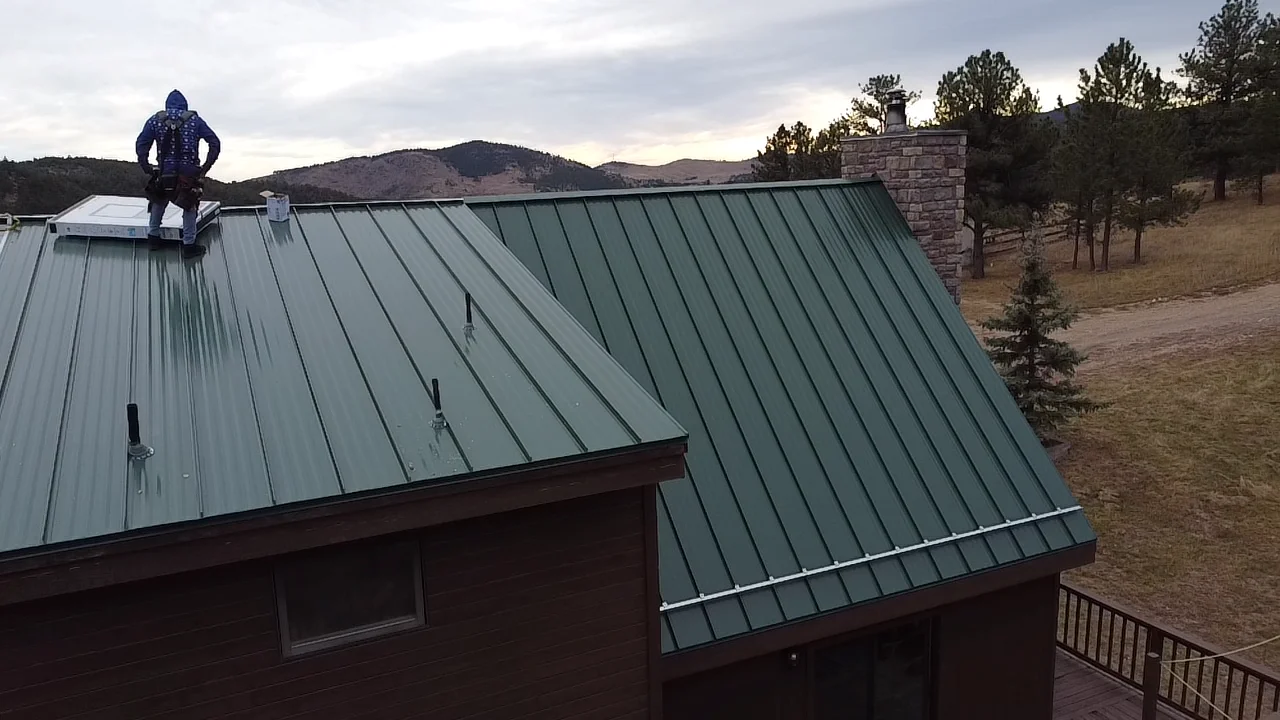
If your roof has been hit by hail, the most important steps are to document the damage, schedule a professional inspection, and understand how the insurance claim process works. Acting quickly helps prevent hidden structural issues, protects your insurance eligibility, and ensures the roof is repaired properly before further weather exposure causes additional damage.
Key Takeaways
- Hail damage is not always visible from the ground, making a professional inspection essential.
- Documenting damage immediately after a storm strengthens your insurance claim.
- Prompt action prevents leaks, structural deterioration, and denied claims.
- Working with an experienced local contractor helps homeowners navigate insurance claims and repairs efficiently.
What Should Homeowners Do Immediately After a Hailstorm Hits Their Roof?
The first hours and days after a severe storm matter more than most homeowners realize. Acting quickly protects both your property and your insurance eligibility.
The most important first step is to safely document the storm’s impact. Take photos of any visible signs such as dented gutters, damaged siding, cracked shingles, or debris on the property.
These photos can become important evidence during an insurance claim review.
Next, schedule a professional roof inspection with a licensed contractor. Hail damage is often subtle and difficult to detect from ground level.
At Summit Roofing Solutions, we regularly inspect roofs throughout Northern Colorado communities like Greeley, Windsor, and Fort Collins after major storms.
Many homeowners assume their roof is fine simply because there are no leaks. Unfortunately, hail damage frequently compromises the protective granule layer on asphalt shingles without creating immediate water intrusion.
That hidden damage often worsens over time.
Document Visible Exterior Damage
Even if you plan to have a professional inspection, it helps to collect early documentation.
Look for:
- Dents in metal vents or flashing
- Cracked or missing shingles
- Damage to gutters or downspouts
- Soft spots or bruising on shingles
- Granule buildup in gutters
Photographs of these signs help support a claim.
Avoid Walking on the Roof
One of the most common mistakes homeowners make is attempting to inspect the roof themselves.
Climbing onto a hail-damaged roof can cause further breakage or personal injury. It is always safer to let trained professionals evaluate the surface conditions.
How Can You Tell If Hail Actually Damaged Your Roof?
Hail damage varies widely depending on storm intensity, wind direction, and roofing material.
Even experienced homeowners can struggle to identify the subtle signs.
That is why many people search for tips for homeowners with hail damaged roofs after storms hit the Front Range.
In asphalt shingle systems, hail often creates circular impact marks where protective granules have been knocked loose.
Without that protective layer, shingles become vulnerable to accelerated UV deterioration.
Common Signs Roofing Contractors Look For
During an inspection, we typically examine multiple components of the roofing system.
Key areas include:
- Asphalt shingle surfaces
- Ridge caps and flashing
- Skylights and vents
- Gutters and downspouts
- Soft metal surfaces
Metal components are especially helpful indicators because dents remain visible even after storms.
In neighborhoods like West Greeley or areas near the University of Northern Colorado, we often see widespread storm patterns where multiple homes on the same street experience similar damage.
When that occurs, insurance carriers are more likely to approve claims quickly.
The Technician’s Pro Tip
One observation many homeowners find surprising involves granule accumulation.
A technician might notice excessive shingle granules collecting in downspouts or along gutter seams.
That buildup often indicates hail impact even when the roof still looks normal from the ground.
Should You File an Insurance Claim for Hail Damage?
Insurance claims can feel intimidating for homeowners who have never gone through the process before.
However, most homeowners insurance policies in Colorado cover hail damage.
The key is documenting the damage and initiating the claim process correctly.
After a professional inspection confirms storm-related damage, the next step is typically contacting your insurance carrier.
The claim process usually involves three stages:
- Filing the claim with your insurance company
- Meeting with an adjuster for property inspection
- Reviewing the settlement and scheduling repairs
Homeowners sometimes worry that filing a claim will automatically increase premiums.
In most cases, hail damage is considered a regional weather event rather than an individual homeowner risk factor.
Why Professional Contractors Matter During Claims
An experienced roofing contractor can help ensure the adjuster sees all relevant damage.
Insurance adjusters inspect many homes quickly after large storms. Having a contractor present during the inspection helps clarify technical findings.
At Summit Roofing Solutions, we often assist homeowners throughout Northern Colorado with this process.
We provide detailed inspection reports, photo documentation, and repair estimates that align with insurance standards.
If you are unsure about contractor reputation, we encourage homeowners to review real experiences from our clients.
You can see what our customers are saying to learn how our team has helped other homeowners navigate storm restoration.
Why Is It Important to Address Hail Damage Quickly?
One of the biggest misconceptions about hail damage is that it can wait.
Many homeowners postpone repairs because the roof is not leaking yet.
Unfortunately, the deterioration process often begins immediately.
When hail impacts asphalt shingles, it removes protective granules that shield the shingle from ultraviolet radiation.
Over time, this exposure weakens the asphalt layer and causes cracking.
Moisture eventually penetrates the roof deck.
Long-Term Damage That Can Develop
Ignoring hail damage can lead to several costly problems.
- Roof leaks
- Mold or mildew in attic spaces
- Insulation deterioration
- Structural wood rot
- Reduced roof lifespan
In areas like Loveland or Timnath where hailstorms can occur multiple times per year, untreated damage may compound quickly.
A roof already weakened by a previous storm becomes far more vulnerable to the next one.
How Do Roofing Professionals Evaluate Hail Damage?
Professional inspections follow a systematic process designed to identify even minor storm impacts.
Roofing contractors often divide the roof into inspection squares to evaluate a consistent sample area.
In many cases, insurance adjusters require evidence of a minimum number of hail hits within those test squares.
Industry Tools Used During Inspections
Professional inspectors may use specialized tools such as:
- Chalk marking systems to track impact points
- Digital inspection reports with geotagged photos
- Moisture meters for detecting water infiltration
- Drones for steep or complex roofs
These tools help document damage in a way that aligns with insurance industry standards.
Organizations such as the National Roofing Contractors Association and major manufacturers like GAF or Owens Corning provide guidelines that professionals follow when evaluating storm damage.
Why Local Experience Matters
Roofing contractors familiar with Northern Colorado weather patterns often recognize storm signatures immediately.
For example, hail damage from storms moving east across the foothills often impacts west-facing slopes first.
Homes near landmarks like Boyd Lake State Park or areas west of Interstate 25 frequently show directional impact patterns from those storms.
Local experience helps inspectors interpret those patterns accurately.
What Are the Repair Options for a Hail Damaged Roof?
The correct repair approach depends on the severity of the damage.
Minor hail impacts may allow for localized repairs or partial shingle replacement.
However, moderate to severe storms often require full roof replacement.
This is especially true when multiple slopes of the roof are affected.
Partial Repairs
Localized repairs may involve:
- Replacing individual shingles
- Repairing flashing or vents
- Fixing damaged ridge caps
These repairs are typically recommended when damage is limited to a small section of the roof.
Full Roof Replacement
More severe hailstorms often require a complete roofing system replacement.
A full replacement ensures the entire protective system functions properly.
It also resets the lifespan of the roof.
Most modern asphalt shingle systems installed today include impact-resistant options designed to better withstand future storms.
Why Homeowners Trust Local Roofing Experts After Storms
Storm restoration requires more than basic roofing knowledge.
It requires understanding insurance requirements, building codes, and manufacturer specifications.
For homeowners researching tips for homeowners with hail damaged roofs, the most important decision is choosing a contractor who understands the local climate and roofing systems used throughout Northern Colorado.
At Summit Roofing Solutions, we have spent over a decade helping homeowners recover from severe weather events.
Our team provides thorough inspections, transparent communication, and high-quality workmanship designed to last.
We understand the stress homeowners feel after storm damage, and we guide them through each step of the process.
Frequently Asked Questions
How soon should I have my roof inspected after a hailstorm?
It is best to schedule an inspection within a few days of the storm. Early inspections help document damage before additional weather conditions alter the evidence.
Can hail damage cause problems even if my roof is not leaking?
Yes. Many hail-damaged roofs do not leak immediately. Granule loss and weakened shingles often cause problems months or years later if repairs are delayed.
Will my insurance company pay for roof replacement?
If hail damage is confirmed and the policy covers storm damage, insurance often pays for repairs or replacement minus the deductible. The exact coverage depends on the policy terms.
How long does the roof insurance claim process usually take?
Most claims are resolved within a few weeks, although timelines can vary depending on storm volume, insurance adjuster availability, and the scope of repairs needed.
Should I get multiple roof inspections after hail damage?
Many homeowners do. However, it is important to work with licensed and reputable contractors who provide honest assessments rather than pushing unnecessary replacements.
Summit Roofing Solutions, LLC is the trusted, family-run Northern Colorado roofing contractor, providing high-quality craftsmanship and reliable roofing services across Greeley, Fort Collins, and Loveland for over 13 years since February 2012. Backed by decades of combined experience, we specialize in both residential and commercial roofing, handling full roof replacement, expert new construction roofing, and complete storm damage restoration. We are the local experts for seamless insurance claim repair, always prioritizing clear communication, clean job sites, and dependable timelines. With an A+ BBB rating and nearly 100 five-star reviews, when you need a top-rated Greeley roofer or certified Fort Collins roofing company for hail damage, trust us to protect your property and deliver total peace of mind under your next roof. You can learn more about our services, view customer reviews, and connect with a trusted Northern Colorado roofing contractor by visiting Summit Roofing Solutions on Google Maps, proudly serving Greeley, Fort Collins, Loveland, and surrounding communities.