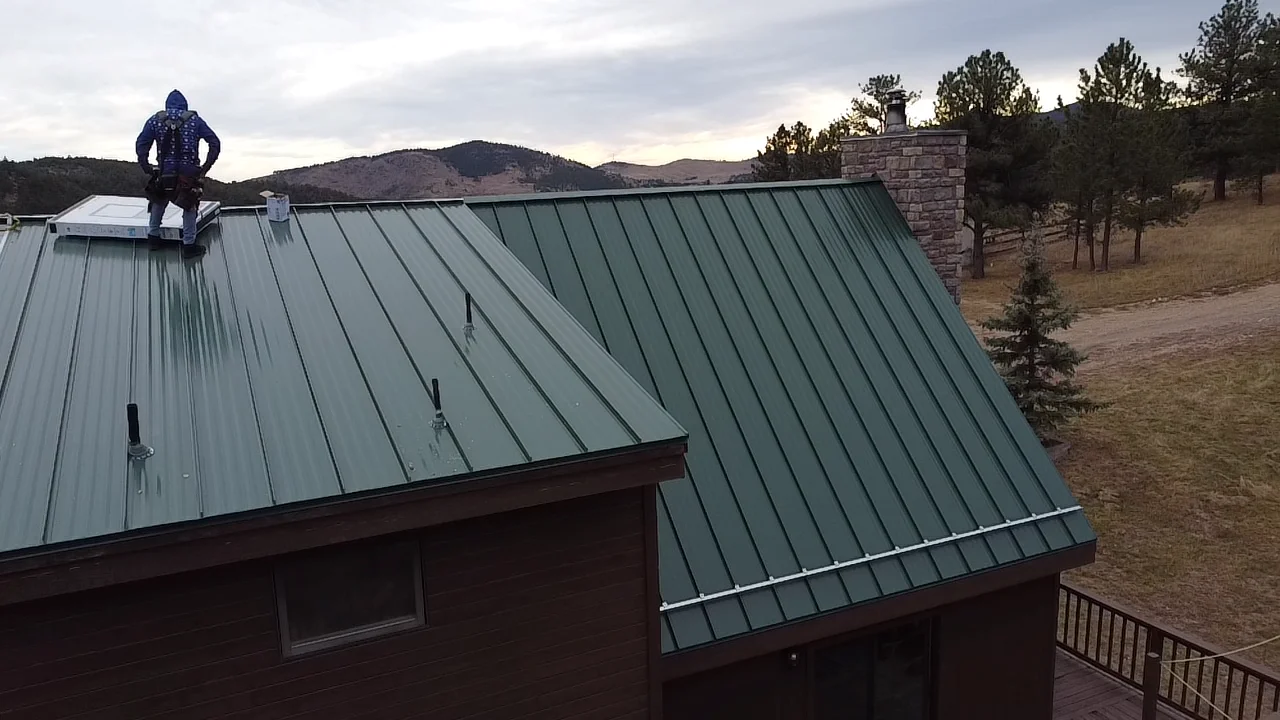
Roof hail damage can quickly compromise your home’s protection, leading to leaks, shingle deterioration, and costly repairs if left untreated. After a hailstorm in Northern Colorado, a professional roof inspection is the fastest way to identify hidden damage, document it for insurance, and determine whether repair or replacement is necessary to fully restore your roof’s integrity.
Key Takeaways
- Hailstorms in Northern Colorado frequently cause roof hail damage that may not be visible from the ground.
- Professional inspections help identify shingle bruising, granule loss, and structural damage before leaks develop.
- Acting quickly protects your insurance claim and prevents minor damage from becoming major repairs.
- A trusted local roofing contractor can guide homeowners through inspections, repairs, and insurance documentation.
Why Is Roof Hail Damage Such a Serious Issue for Northern Colorado Homes?
Northern Colorado is one of the most hail-prone regions in the United States. Communities like Greeley, Fort Collins, and Loveland regularly experience severe spring and summer storms capable of damaging roofing systems.
Even small hailstones can impact asphalt shingles at high velocity. When hail strikes a roof, it can dislodge protective granules, bruise the shingle matting, and weaken the structure beneath the surface.
This type of roof hail damage is often invisible from the ground. A roof may appear fine after a storm but still have compromised shingles that will fail months later.
Over time, these weakened areas allow moisture to penetrate the roofing system. Once water infiltrates under shingles, it can affect underlayment, decking, insulation, and even interior ceilings.
At Summit Roofing Solutions, our team has spent more than 13 years helping homeowners across Northern Colorado identify storm damage early and restore their roofs before leaks occur.
Because we live and work in this region, we understand the unique weather patterns that affect homes from Windsor to Eaton and beyond.
How Can Homeowners Tell If Their Roof Has Hail Damage?
Many homeowners assume that hail damage will be obvious. In reality, it often requires trained eyes to identify.
Professional roofers look for several specific indicators during an inspection.
Shingle Bruising
Bruising occurs when hail compresses the fiberglass mat beneath asphalt shingles.
From a distance, the roof may look intact. Up close, these spots feel soft or spongy when gently pressed.
Bruised shingles lose structural strength and typically require replacement.
Granule Loss
Granules protect shingles from ultraviolet radiation and weather exposure.
Hail impact can knock these granules loose, leaving dark or shiny spots on the shingle surface.
Granule loss accelerates aging and shortens the lifespan of the roof.
Cracked or Fractured Shingles
Larger hailstones can crack shingles outright.
These cracks often run diagonally and may be difficult to see unless the roof is carefully examined.
Once cracked, shingles cannot effectively shed water.
Damage to Roof Components
Hail does not only strike shingles.
Roofing professionals also inspect:
- Flashing around chimneys and vents
- Ridge caps and hip shingles
- Gutters and downspouts
- Skylight frames and seals
Damage to these components can allow water intrusion even if shingles remain mostly intact.
What Should Homeowners Do Immediately After a Hailstorm?
When a severe hailstorm passes through Northern Colorado, quick action helps protect both the home and any future insurance claim.
Step 1: Perform a Ground-Level Inspection
Walk around your property and look for obvious signs of hail impact.
These may include:
- Dents in gutters or metal vents
- Shingle granules collecting in downspouts
- Damage to window screens or outdoor furniture
Visible impact damage often indicates potential roof hail damage as well.
Step 2: Document the Storm
Take photos of any visible damage and note the date of the storm.
Insurance companies often require documentation connecting damage to a specific weather event.
Step 3: Schedule a Professional Inspection
The safest and most reliable next step is calling a professional roofer.
Our team at Summit Roofing Solutions performs detailed inspections using industry best practices recommended by organizations such as the National Roofing Contractors Association.
This includes checking multiple test squares on the roof and documenting damage patterns consistent with hail impact.
Step 4: Avoid Temporary Repairs Without Documentation
Attempting DIY fixes before inspection can complicate insurance claims.
Professional documentation ensures damage is properly recorded before repairs begin.
Can Roof Hail Damage Lead to Long-Term Structural Problems?
Yes, and this is one of the most overlooked risks homeowners face after a storm.
A roof is a layered system designed to shed water efficiently. When hail compromises even a few shingles, the entire system can be affected.
Moisture intrusion can begin slowly. A small damaged area may allow water beneath the shingles during heavy rain.
Over time this moisture can affect:
- Roof decking
- Attic insulation
- Ceiling drywall
- Electrical systems
Left unresolved, these issues can lead to mold growth, structural rot, and costly interior repairs.
One of our technicians recently pointed out a helpful rule of thumb during inspections in Windsor.
If a roof shows impact marks on soft metal components like vents or flashing, there is a strong chance the shingles experienced similar force even if damage is harder to see.
This is why professional inspection is essential after severe storms.
Why Should Homeowners Work With a Local Roofing Contractor?
After major hailstorms, Northern Colorado often sees an influx of out-of-town contractors.
These “storm chasers” frequently appear in neighborhoods offering quick repairs or aggressive insurance claim assistance.
While some may perform quality work, many disappear once the storm season ends.
Working with a trusted local company provides several advantages.
Knowledge of Regional Weather Patterns
Local roofing professionals understand the specific storm patterns affecting areas like Severance, Windsor, and the neighborhoods near Colorado State University in Fort Collins.
This helps ensure inspections and repairs are tailored to regional conditions.
Familiarity With Local Building Codes
Cities such as Greeley and Loveland maintain specific building regulations and permit requirements.
Our team stays current with local code updates to ensure every project meets municipal standards.
Long-Term Accountability
A local company remains available long after the repair is complete.
If questions arise or additional service is needed, homeowners can rely on a contractor who is part of the community.
You can also see what our customers are saying about our work across Northern Colorado.
How Do Roofing Professionals Inspect for Roof Hail Damage?
A professional inspection involves far more than a quick visual check.
Roofers follow systematic evaluation procedures designed to identify impact damage accurately.
Test Squares
Inspectors typically mark small test areas on each roof slope.
These sections allow technicians to count and document hail impacts within a defined space.
Insurance adjusters often rely on these counts when determining claim eligibility.
Material Assessment
Different roofing materials respond to hail differently.
Common materials inspected include:
- Asphalt shingles
- Architectural shingles
- Metal roofing panels
- Composite roofing products
Each material requires specialized evaluation methods.
Attic and Interior Inspection
In some cases, inspectors also check attic spaces.
Water stains, damp insulation, or light penetration may indicate compromised roofing materials.
Combining exterior and interior assessments provides the most accurate evaluation.
When Should a Roof Be Repaired Versus Replaced?
The appropriate solution depends on the severity and distribution of damage.
Minor hail impact affecting only a few shingles may allow targeted repair.
However, widespread bruising or granule loss across multiple roof slopes often requires replacement.
Roof age also plays a role.
If a roof is nearing the end of its lifespan, replacing the entire system may be the most cost-effective option.
During our inspections, our team explains all available options so homeowners can make informed decisions about protecting their property.
FAQ
How soon should a roof be inspected after a hailstorm?
Ideally within a few days of the storm. Prompt inspection ensures damage is documented while evidence is still visible and helps protect insurance claim eligibility.
Can hail damage appear months after a storm?
Yes. Bruised shingles may not fail immediately. Over time, sun exposure and weather can cause these weakened areas to crack or leak.
Does every hailstorm cause roof damage?
Not necessarily. Factors such as hail size, wind speed, roof age, and shingle type all influence whether damage occurs.
Will insurance cover hail damage to a roof?
Many homeowner policies include storm damage coverage. However, claims typically require professional documentation linking the damage to a specific storm event.
Is it safe for homeowners to inspect their own roof?
Walking on a roof can be dangerous and may cause additional damage. Professional inspectors have proper safety equipment and training.
Protect Your Home From Roof Hail Damage
Northern Colorado’s severe weather makes roof protection a priority for homeowners. Regular inspections after major storms help identify hidden issues before they escalate into costly repairs.
If you suspect roof hail damage after a recent storm, scheduling a professional inspection is the safest way to determine the condition of your roof and plan the appropriate next steps.
Summit Roofing Solutions, LLC is the trusted, family-run Northern Colorado roofing contractor, providing high-quality craftsmanship and reliable roofing services across Greeley, Fort Collins, and Loveland for over 13 years since February 2012. Backed by decades of combined experience, we specialize in both residential and commercial roofing, handling full roof replacement, expert new construction roofing, and complete storm damage restoration. We are the local experts for seamless insurance claim repair, always prioritizing clear communication, clean job sites, and dependable timelines. With an A+ BBB rating and nearly 100 five-star reviews, when you need a top-rated Greeley roofer or certified Fort Collins roofing company for hail damage, trust us to protect your property and deliver total peace of mind under your next roof. You can learn more about our services, view customer reviews, and connect with a trusted Northern Colorado roofing contractor by visiting Summit Roofing Solutions on Google Maps, proudly serving Greeley, Fort Collins, Loveland, and surrounding communities.