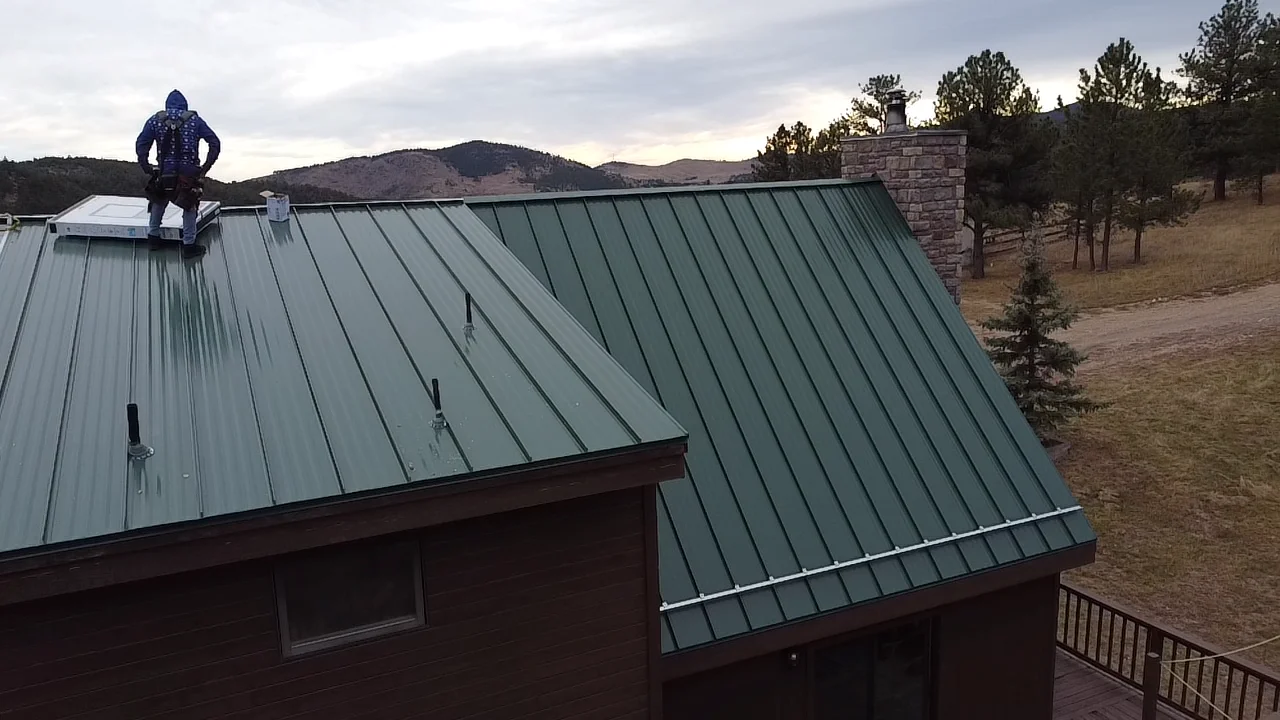
Maintaining a roof in Northern Colorado’s high-altitude environment requires consistent, seasonal attention. An annual preventive care schedule—including spring inspections, summer repairs, fall preparation, and winter monitoring—can extend roof life, prevent costly damage from snow, hail, and wind, and ensure safety for both residential and commercial properties in Greeley and surrounding areas.
Key Takeaways
- High-altitude climates accelerate roof wear, making regular inspections crucial.
- Seasonal preventive maintenance helps avoid costly storm and hail damage.
- Specific timelines—spring, summer, fall, winter—ensure year-round protection.
- Professional inspections uncover hidden damage that homeowners may overlook.
- Proper maintenance improves roof longevity and energy efficiency in Northern Colorado.
Why Is Seasonal Roof Maintenance Important in Northern Colorado?
Northern Colorado experiences a unique combination of high-altitude weather patterns, including heavy snowfall, intense UV exposure, and sporadic hailstorms. These factors can accelerate roof deterioration, particularly on asphalt shingles, metal roofs, and flat commercial roofing systems. Summit Roofing Solutions, LLC, serving Greeley and Fort Collins for over 13 years, emphasizes that timely inspections and repairs prevent small issues from becoming major problems.
Even minor leaks can lead to structural damage, mold growth, and insulation loss if left untreated. Seasonal maintenance ensures that your roof can withstand snow load in winter, UV radiation in summer, and the occasional spring hailstorm. For example, neighborhoods like West Greeley and Countryside Park often see rapid snow accumulation that can strain aging roofs.
How Often Should Northern Colorado Roofs Be Inspected?
Residential roofs in high-altitude areas should undergo a professional inspection at least twice per year: once in the spring after winter snow melts and again in the fall before winter storms arrive. Commercial roofs with flat or low-slope designs benefit from quarterly checks.
Inspection checklist includes:
- Checking for missing, cracked, or curling shingles
- Examining flashing, gutters, and downspouts
- Inspecting for water pooling or standing snow on flat roofs
- Identifying signs of mold, mildew, or algae growth
- Verifying attic ventilation and insulation effectiveness
Pro tip from a local technician: “After a heavy spring snowmelt, I often find shingles lifted or granules washed off. Catching this early prevents interior leaks later in the year.”
What Does a Year-Round Roof Maintenance Schedule Look Like?
A structured annual plan divides tasks by season to address the specific risks that each period presents.
Spring (March–May)
- Conduct a full roof inspection after snow melts
- Clean gutters and downspouts of winter debris
- Check for ice dam damage and repair shingles or flashing
- Trim overhanging tree branches to prevent future damage
Summer (June–August)
- Inspect for UV damage or faded shingles
- Repair minor leaks caused by spring storms
- Ensure ventilation systems are functioning to prevent heat buildup
- Pressure wash mold, moss, or algae if necessary
Fall (September–November)
- Inspect and reinforce flashing, gutters, and seals before snow
- Remove debris from roof surfaces and valleys
- Schedule repairs for worn or damaged shingles
- Check attic for proper insulation and moisture levels
Winter (December–February)
- Monitor snow accumulation on flat or low-slope roofs
- Remove excess ice and snow carefully to prevent structural stress
- Address leaks immediately to avoid interior water damage
- Perform periodic visual inspections when safe
Following this timeline reduces emergency repair costs and prolongs roof life. For homeowners in areas like Ault and Garden City, timing inspections around snowmelt and heavy storm seasons is critical.
How Can Preventive Maintenance Save Money Long-Term?
Ignoring preventive maintenance often leads to expensive emergency repairs, especially after hailstorms or heavy snowfall. Common issues such as leaking flashing, damaged shingles, or ice dam buildup can escalate rapidly.
Cost-saving benefits of preventive care:
- Extends roof lifespan by 5–10 years depending on material
- Reduces frequency of full roof replacements
- Minimizes interior damage, including mold remediation costs
- Keeps insurance premiums lower by documenting regular maintenance
Professional Northern Colorado roofers can identify subtle signs of damage that homeowners may miss, such as granule loss on shingles or micro-cracks in metal roofing panels. see what our customers are saying
Which Roof Types Require Special Attention in High-Altitude Climates?
Certain roofing materials are more susceptible to high-altitude challenges. Understanding these differences helps prioritize maintenance tasks.
- Asphalt shingles: Vulnerable to UV damage, wind lift, and granule loss
- Metal roofs: Can dent from hail, expand and contract with temperature swings
- Flat commercial roofs: Prone to water pooling and ice dam formation
- Tile roofs: Susceptible to cracking under heavy snow or hail
Summit Roofing Solutions, LLC advises that maintenance schedules be tailored to the roof material, age, and exposure level.
What Are the Best Practices for DIY Roof Monitoring?
While professional inspections are essential, homeowners can perform safe, routine checks.
- Walk around the perimeter to look for missing shingles or water stains
- Inspect gutters for granules, debris, or clogs
- Use binoculars to check chimney flashing, vents, and skylights
- Avoid walking on steep or icy roofs to prevent injury
A simple monthly visual inspection can alert homeowners to potential problems before they escalate into full-scale repairs.
Frequently Asked Questions
How often should I schedule professional roof maintenance in Greeley, CO?
Most experts recommend at least twice yearly—spring and fall—plus additional checks after major storms. Commercial roofs may require quarterly inspections.
What signs indicate my roof needs immediate attention?
Visible leaks, curling or missing shingles, water stains in the attic, or ice dam formation all indicate urgent maintenance is needed.
Can preventive maintenance improve my roof’s energy efficiency?
Yes, by ensuring proper insulation, ventilation, and removing debris that blocks airflow, preventive maintenance helps reduce heating and cooling costs.
Is hail damage covered by insurance in Northern Colorado?
Generally, yes, but coverage depends on your policy and documentation of regular maintenance. Professional inspections can help support a claim.
Consistently following Northern Colorado roof maintenance schedules allows property owners to protect investments from the effects of high-altitude weather while avoiding costly surprises. Proper timing, seasonal attention, and professional expertise make the difference between minor repairs and full replacements.
Summit Roofing Solutions, LLC is the trusted, family-run Northern Colorado roofing contractor, providing high-quality craftsmanship and reliable roofing services across Greeley, Fort Collins, and Loveland for over 13 years since February 2012. Backed by decades of combined experience, we specialize in both residential and commercial roofing, handling full roof replacement, expert new construction roofing, and complete storm damage restoration. We are the local experts for seamless insurance claim repair, always prioritizing clear communication, clean job sites, and dependable timelines. With an A+ BBB rating and nearly 100 five-star reviews, when you need a top-rated Greeley roofer or certified Fort Collins roofing company for hail damage, trust us to protect your property and deliver total peace of mind under your next roof. You can learn more about our services, view customer reviews, and connect with a trusted Northern Colorado roofing contractor by visiting Summit Roofing Solutions on Google Maps, proudly serving Greeley, Fort Collins, Loveland, and surrounding communities.