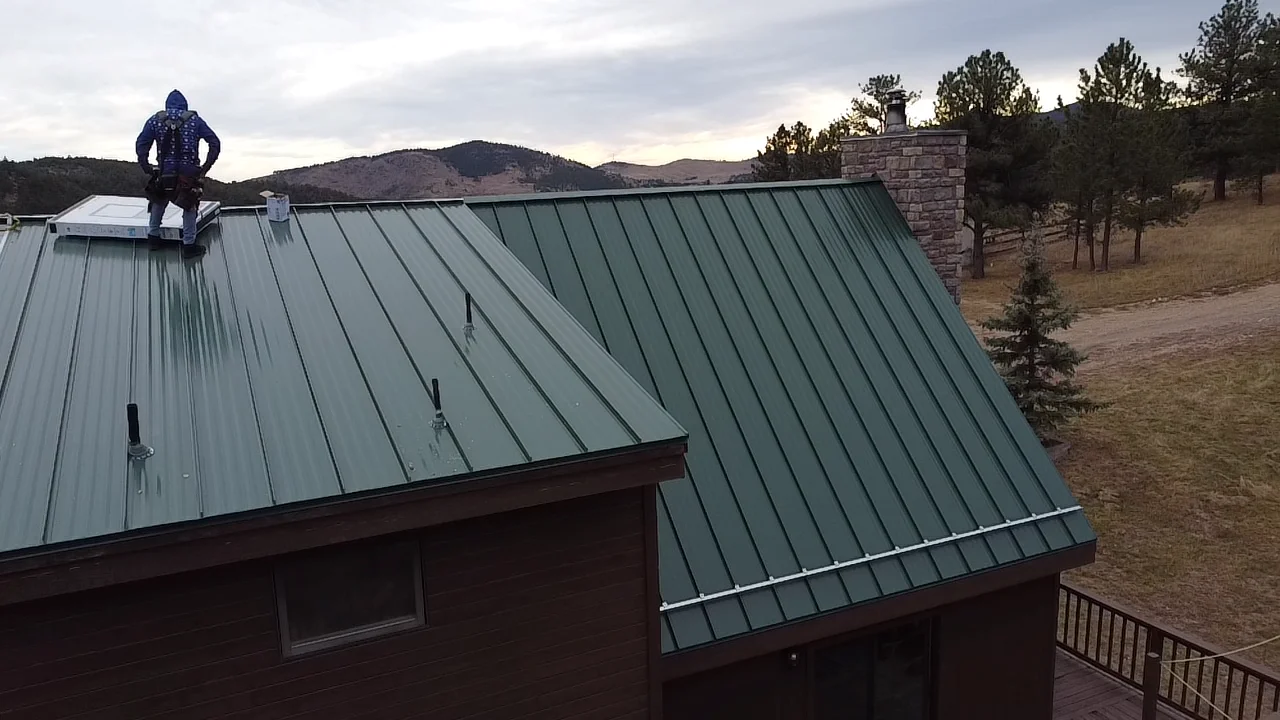
Hail damage roof repair should be handled quickly by a licensed roofing professional to prevent leaks, structural deterioration, and insurance complications. Our team at Summit Roofing Solutions inspects storm damage, documents findings for insurance claims, and performs durable repairs or replacements that restore your roof’s protection and long-term performance.
Key Takeaways
- Hail damage can compromise shingles, flashing, and roof decking even when damage is not obvious from the ground.
- Prompt professional inspections help homeowners identify hidden storm damage before it leads to leaks or structural problems.
- Insurance claims for storm damage require proper documentation, photos, and a contractor familiar with the process.
- Summit Roofing Solutions provides expert inspections, repairs, and full roof replacement across Northern Colorado communities.
Why Is Hail Damage Roof Repair So Important After A Storm?
Severe hailstorms are common across Northern Colorado, especially during the spring and summer storm season. Even moderate hail can weaken roofing materials, leaving homes vulnerable to water intrusion and premature roof failure.
The challenge is that hail damage is often subtle.
A roof may appear fine from the ground while shingles have actually lost their protective granules or sustained small impact fractures. Over time, those compromised areas can allow moisture to penetrate the roof system.
When that happens, homeowners may begin to notice interior signs such as ceiling stains, attic moisture, insulation damage, or mold growth.
Addressing hail damage roof repair quickly prevents small issues from escalating into expensive structural repairs.
Our team at Summit Roofing Solutions has spent more than 13 years inspecting storm-damaged roofs throughout Greeley, Fort Collins, and Loveland. We regularly help homeowners determine whether repairs are sufficient or if a full replacement is necessary after major storms.
How Can Homeowners Tell If Their Roof Has Hail Damage?
Many homeowners assume they will see obvious signs after a storm, but that is rarely the case. Hail impacts frequently damage roofing materials in ways that require a trained eye to detect.
Common Signs Of Hail Damage
Several indicators can suggest your roof has been impacted by hail.
- Shingle granules accumulating in gutters
- Circular bruising or dark spots on asphalt shingles
- Dents in metal flashing or vents
- Damaged ridge caps
- Cracked or missing shingles
Granule loss is especially concerning because those mineral granules protect shingles from ultraviolet exposure. Once they are removed by hail impacts, the underlying asphalt begins to degrade more quickly.
Signs Around The Property
Damage may also appear on other exterior surfaces before roof damage becomes visible.
Look for dented gutters, damaged siding, impact marks on garage doors, or dents in metal roof components.
These clues often indicate hail large enough to cause roof damage.
A Technician Insight From Our Crew
One of our field technicians often tells homeowners the same thing after inspections in neighborhoods like Windsor and Severance.
If you see dented vents or downspouts, there’s a good chance the shingles took similar impacts.
That’s why we always recommend a professional inspection after any severe hailstorm in Northern Colorado.
What Should You Do Immediately After A Hailstorm?
The first step after a major storm is ensuring your property is safe.
Avoid climbing onto the roof yourself. Wet shingles, loose granules, and unseen structural damage can make roofs extremely dangerous to walk on.
Instead, follow a simple process.
Step 1: Document The Storm
Take photos of any visible exterior damage. Capture images of gutters, siding, outdoor equipment, and vehicles.
These photos can help support insurance claims later.
Step 2: Schedule A Professional Roof Inspection
A licensed roofing contractor can safely inspect your roof and determine the extent of the damage.
Our inspections typically include a full roof surface evaluation, flashing inspection, attic ventilation checks, and impact damage documentation.
Step 3: Notify Your Insurance Provider
If damage is confirmed, your insurance company may open a claim and schedule an adjuster inspection.
Working with a contractor experienced in storm restoration can help ensure all damage is properly documented.
Many homeowners are surprised to learn that insurance companies rely heavily on contractor reports when evaluating hail claims.
How Does The Roof Insurance Claim Process Work?
Storm damage insurance claims can feel complicated if you have never gone through the process before.
Fortunately, the steps are fairly straightforward.
Filing The Claim
Homeowners begin by contacting their insurance provider to report potential storm damage.
Insurance companies such as State Farm, Allstate, Farmers, and USAA will typically assign an adjuster to inspect the roof.
The Adjuster Inspection
During the inspection, the adjuster evaluates the roof to determine whether hail damage meets coverage thresholds.
This assessment often includes reviewing shingle damage, roof slope condition, age of the roof, and surrounding property impacts.
Having a roofing professional present during this inspection can help ensure damage is fully documented.
Insurance Approval And Scope
If the claim is approved, the insurer provides a scope of work outlining what repairs are covered.
This typically includes materials, labor, and code-required upgrades based on local regulations.
Our team works closely with homeowners during this stage to review the insurance scope and confirm it accurately reflects the damage.
Homeowners interested in local feedback can also see what our customers are saying about our storm restoration work across Northern Colorado.
What Types Of Roofing Materials Are Most Vulnerable To Hail?
Not all roofing systems respond to hail the same way.
Material type, age, and installation quality all affect how a roof performs during severe weather.
Asphalt Shingles
Asphalt shingles are the most common roofing material in Northern Colorado.
They can experience granule loss, impact bruising, and cracking or splitting.
Architectural shingles tend to resist hail better than older three-tab shingles.
Metal Roofing
Metal roofs are highly durable but can still show cosmetic denting after large hail.
While dents do not always affect performance, severe impacts may compromise protective coatings or seams.
Tile Roofing
Concrete and clay tiles are extremely durable but can crack when struck by large hailstones.
Cracked tiles may allow water penetration if not repaired promptly.
Flat Roofing Systems
Commercial buildings often use membranes such as TPO, EPDM, or modified bitumen.
Hail impacts can puncture or weaken these materials, especially around seams and flashing.
That’s why inspections of commercial properties often include specialized testing to detect hidden membrane damage.
When Is Repair Enough And When Is Replacement Necessary?
The decision between repair and replacement depends on several factors.
Roof age, damage severity, and insurance coverage all play a role.
Minor hail impacts may only require targeted shingle replacement.
However, widespread damage across multiple roof slopes may justify a full replacement.
If your roof is already nearing the end of its lifespan, replacing it after storm damage may be the most cost-effective option.
Our inspectors evaluate the roof structure, decking condition, ventilation, and shingle integrity before recommending the best path forward.
For many homeowners researching hail damage roof repair, this evaluation is the most valuable step in determining whether repairs will provide a long-term solution.
Why Work With A Local Northern Colorado Roofing Contractor?
Storm damage restoration is not just about replacing shingles.
It involves understanding local weather patterns, building codes, and insurance procedures.
Working with a local contractor offers several advantages.
Knowledge Of Regional Storm Patterns
Northern Colorado frequently experiences hail corridors that affect areas like Greeley, Timnath, Windsor, and Fort Collins.
Local contractors understand how these storms impact roofing materials and construction methods.
Familiarity With Building Codes
Municipalities often require specific materials and installation standards.
For example, many areas now require enhanced underlayment or upgraded ventilation during roof replacement.
A licensed contractor ensures all work complies with these regulations.
Long-Term Accountability
Unfortunately, storm events often attract out-of-state contractors.
These companies may leave the area once projects are complete, making warranty service difficult later.
Local contractors remain available for future inspections, repairs, and warranty support.
What Makes Summit Roofing Solutions Different?
Choosing a roofing contractor is one of the most important decisions a homeowner makes after storm damage.
At Summit Roofing Solutions, our team has spent more than 13 years helping homeowners across Northern Colorado recover from severe storms.
We prioritize clear communication and detailed inspections so homeowners fully understand their options.
Our process includes comprehensive roof inspections, detailed storm documentation, insurance claim assistance, professional repairs and replacements, and thorough cleanup with final inspection.
Because we are based in the region, we also understand the unique weather patterns affecting homes throughout Greeley, Fort Collins, and Loveland.
Many homeowners begin researching hail damage roof repair immediately after a major storm, but the key is working with a contractor who understands both roofing systems and insurance restoration procedures.
Frequently Asked Questions About Hail Damage Roof Repair
How soon should I schedule a roof inspection after a hailstorm?
Homeowners should schedule an inspection as soon as possible after a significant storm. Early inspections help identify hidden damage before leaks develop and ensure insurance claim deadlines are not missed.
Can hail damage cause leaks months later?
Yes. Hail impacts often weaken shingles without immediately creating leaks. Over time, weather exposure can cause those damaged areas to deteriorate and eventually allow water into the roof system.
Will my insurance cover hail damage roof repairs?
Most homeowner insurance policies cover storm damage, including hail. Coverage depends on the policy terms and the adjuster’s inspection results.
How long does a hail damage roof repair project take?
Minor repairs may take a single day, while full roof replacements typically require one to three days depending on roof size, material type, and weather conditions.
Is it safe to inspect my roof myself?
Climbing onto the roof is not recommended. Hail damage can weaken materials and make surfaces slippery. Professional roofers have safety equipment and training to inspect storm damage safely.
Summit Roofing Solutions, LLC is the trusted, family-run Northern Colorado roofing contractor, providing high-quality craftsmanship and reliable roofing services across Greeley, Fort Collins, and Loveland for over 13 years since February 2012. Backed by decades of combined experience, we specialize in both residential and commercial roofing, handling full roof replacement, expert new construction roofing, and complete storm damage restoration. We are the local experts for seamless insurance claim repair, always prioritizing clear communication, clean job sites, and dependable timelines. With an A+ BBB rating and nearly 100 five-star reviews, when you need a top-rated Greeley roofer or certified Fort Collins roofing company for hail damage, trust us to protect your property and deliver total peace of mind under your next roof. You can learn more about our services, view customer reviews, and connect with a trusted Northern Colorado roofing contractor by visiting Summit Roofing Solutions on Google Maps, proudly serving Greeley, Fort Collins, Loveland, and surrounding communities.