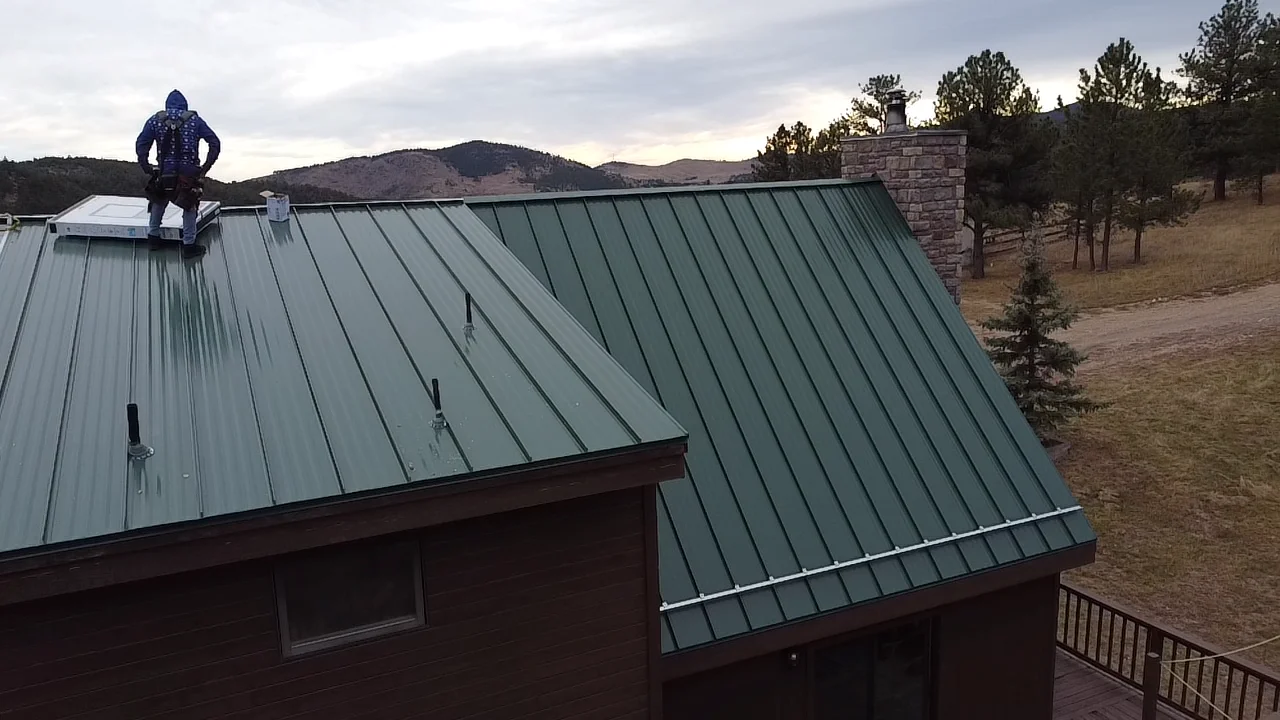
What is included in a Fort Collins commercial roof inspection guide? Commercial roof in Fort Collins requires proactive inspection to prevent costly damage and operational downtime. Identifying critical failure signs—such as water pooling, cracked membranes, or compromised flashing—early allows property owners to address issues immediately, preserving structural integrity, ensuring safety, and extending the lifespan of the roof.
Key Takeaways
- Early detection of roof damage can prevent expensive repairs and business disruptions.
- Common failure signs include leaks, membrane cracks, blistering, and structural sagging.
- Regular inspections should include detailed evaluations of flashing, drains, and rooftop equipment.
- Weather-related impacts, especially hail and heavy snow in Fort Collins, are major contributors to commercial roof deterioration.
- Experienced roofing technicians can provide practical solutions and prioritize urgent repairs for safety and efficiency.
Why Is Regular Commercial Roof Inspection Important in Fort Collins?
Regular roof inspections are crucial for any commercial property, especially in regions like Fort Collins that experience diverse weather patterns. Snow accumulation in neighborhoods such as Old Town and Horsetooth can strain roofing materials, while spring hailstorms often expose weaknesses in membranes and flashing. Routine inspections allow property managers to spot minor issues before they escalate into structural failures or interior water damage.
From our experience at Summit Roofing Solutions, which has been serving Northern Colorado for over 13 years, even small debris buildup around drains or HVAC units can cause standing water and accelerate material wear. A technician might note that simply clearing debris and resealing penetrations can extend roof life significantly, a detail often overlooked by property owners.
What Are the Critical Failure Signs to Watch For?
Commercial roofs have specific indicators that signal urgent attention. Understanding these signs can save your business time and money. Key failure signs include:
Water Pooling or Ponding
Water that remains on the roof more than 48 hours after rain or snow melt can lead to membrane deterioration and structural damage. Roof drains should be inspected for clogs or misalignment. Standing water often causes material blistering and rust on metal components.
Cracked or Blistered Membranes
Membranes may develop cracks due to UV exposure, age, or temperature fluctuations. Blisters indicate trapped moisture beneath the surface. Both conditions compromise waterproofing and may accelerate roof failure if left unaddressed.
Flashing Damage and Loose Penetrations
Flashing around vents, skylights, and HVAC units is a common entry point for leaks. Torn or improperly sealed flashing can allow water infiltration, leading to insulation damage and potential mold growth.
Sagging or Structural Deformation
Sagging areas indicate compromised deck support or excessive weight from snow or water accumulation. Structural deformation is a major red flag that requires immediate professional assessment to prevent roof collapse.
Unexplained Stains or Mold Growth
Interior signs, like ceiling stains or mold, often reflect roof leakage. Inspecting the exterior membrane and ensuring proper drainage is essential when these indicators appear.
How Often Should Commercial Roofs Be Inspected?
Industry standards recommend inspecting commercial roofs at least twice per year, ideally in spring and fall. Additional inspections may be required after severe weather events, such as hailstorms or heavy snowfall.
For Fort Collins businesses, it’s practical to combine inspections with seasonal maintenance. Checking neighborhoods such as Midtown and south Fort Collins can help identify local storm-related damage. Inspections should cover:
- Membrane integrity and seams
- Flashing around rooftop equipment
- Drainage systems and scuppers
- HVAC and mechanical units for leaks or corrosion
- Structural deck conditions
A seasoned roofing technician often advises using a combination of visual inspections and infrared scanning to detect hidden moisture or delamination.
What Immediate Repair Indicators Should Trigger Action?
Certain signs demand immediate attention to prevent further damage and protect building occupants:
- Active leaks inside the building
- Large membrane tears or punctures
- Significant ponding of water after storms
- Rusted or detached metal flashing
- Noticeable sagging or roof movement
Immediate repair can involve patching membranes, replacing damaged flashing, or reinforcing structural elements. In urgent cases, temporary measures like tarp coverage can prevent interior damage until full repair is completed. You can also see what our customers are saying about how timely interventions prevented costly downtime.
What Role Does Weather Play in Roof Damage in Fort Collins?
Fort Collins’ climate is characterized by snow, hail, and intense sun exposure, all of which accelerate roof degradation. Hailstorms can puncture membranes, while heavy snow adds significant weight, stressing support beams. UV rays degrade membranes over time, causing cracking and blistering. Regular inspections account for these environmental factors, ensuring repairs are both preventative and targeted.
Technicians often advise installing reflective coatings or reinforced membranes in high-exposure areas to mitigate long-term weather impact. Even simple steps like ensuring snow removal around skylights or HVAC units can prevent water infiltration and structural issues.
How Can Property Owners Maximize Roof Lifespan?
Maximizing roof lifespan involves proactive maintenance and timely repairs. Some best practices include:
- Scheduling biannual professional inspections
- Clearing debris from drains and gutters
- Promptly repairing minor membrane cracks or blisters
- Regularly checking rooftop equipment for leaks or corrosion
- Applying protective coatings where appropriate
Investing in preventative maintenance saves significant costs compared to full roof replacement, especially for flat or low-slope commercial roofs prone to water accumulation.
FAQ
How do I know if my commercial roof needs immediate repair?
Signs include active leaks, standing water, torn membranes, sagging areas, and damaged flashing. Prompt professional assessment is critical.
Can I inspect a commercial roof myself?
While basic visual checks are possible, professional inspections are recommended for safety and accuracy. Technicians can identify hidden issues like moisture beneath membranes or structural weaknesses.
How often should I schedule roof maintenance in Fort Collins?
At minimum, twice a year—spring and fall—with additional inspections after severe storms or snow accumulation.
Does hail damage always require roof replacement?
Not necessarily. Minor hail impacts may be patched or reinforced. Major punctures, membrane tears, or structural issues typically require partial or full roof replacement.
What neighborhoods in Fort Collins are most prone to roof damage?
Areas like Old Town and Horsetooth often experience localized hail or snow accumulation, while Midtown and south Fort Collins can see stress on flat commercial roofs due to drainage challenges.
Commercial roof inspection is not just about spotting visible issues; it’s about understanding the full spectrum of failure signs and prioritizing repairs before they compromise business operations. Regular, expert inspections combined with timely maintenance ensure safety, cost savings, and extended roof life.
Summit Roofing Solutions, LLC is the trusted, family-run Northern Colorado roofing contractor, providing high-quality craftsmanship and reliable roofing services across Greeley, Fort Collins, and Loveland for over 13 years since February 2012. Backed by decades of combined experience, we specialize in both residential and commercial roofing, handling full roof replacement, expert new construction roofing, and complete storm damage restoration. We are the local experts for seamless insurance claim repair, always prioritizing clear communication, clean job sites, and dependable timelines. With an A+ BBB rating and nearly 100 five-star reviews, when you need a top-rated Greeley roofer or certified Fort Collins roofing company for hail damage, trust us to protect your property and deliver total peace of mind under your next roof. You can learn more about our services, view customer reviews, and connect with a trusted Northern Colorado roofing contractor by visiting Summit Roofing Solutions on Google Maps, proudly serving Greeley, Fort Collins, Loveland, and surrounding communities.