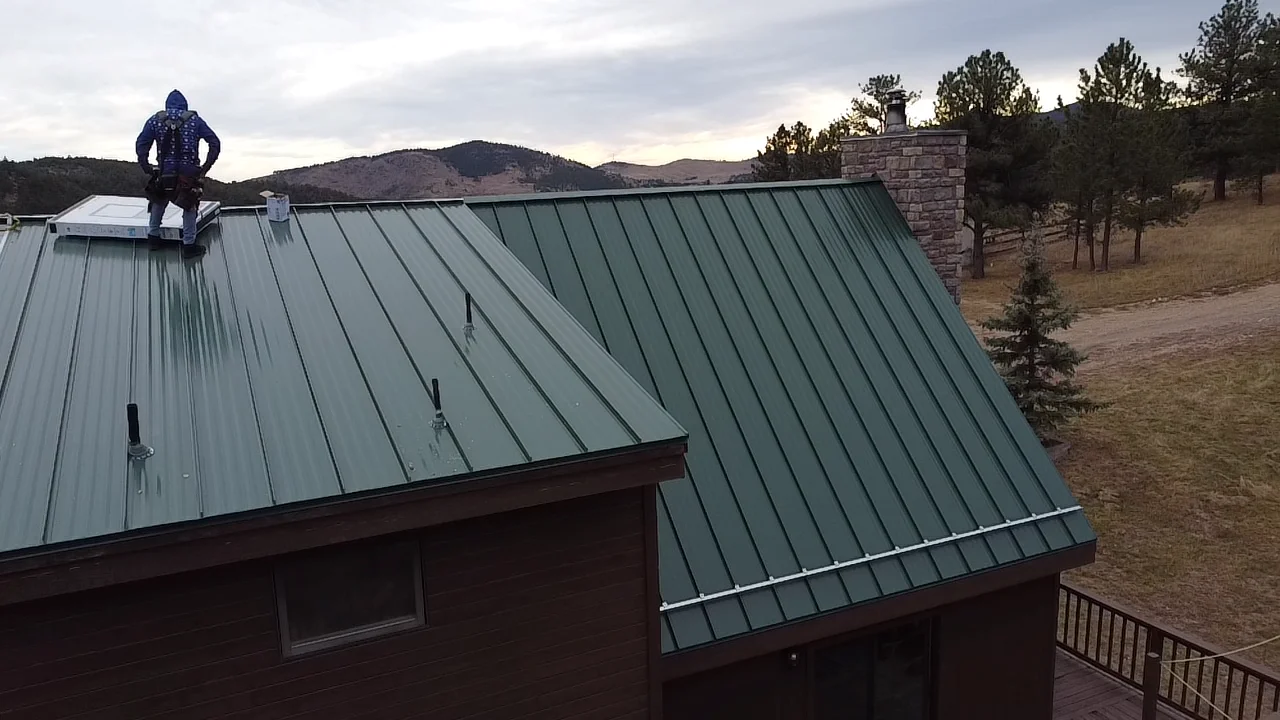
When you choose Summit Roofing Solutions, LLC—with over X years of experience in the Northern Colorado roofing market—you’re working with a team that understands local weather, building codes, and cost drivers. In this blog post we’ll walk through the key factors that influence roof-replacement cost in Northern Colorado, helping you plan a realistic budget, understand quotes you’ll receive, and make better decisions. See what our customers are saying
1. Size, layout and complexity of the roof
Square footage matters
One of the most straightforward cost drivers is the size of your roof. The more square footage you have, the more materials, labour and equipment you’ll need. Local estimates for Colorado show that larger roofs scale the cost upward.
Roof pitch and architectural complexity
A steep roof or one with many dormers, skylights or multiple angles adds complexity. In the Colorado market, steep slopes mean more safety gear, more labour hours and higher cost per square foot.
Two-story vs one-story; accessibility
If your house in Fort Collins or Loveland has multiple levels, high eaves or limited access, that will drive labour cost up. When a roof is harder to reach, every step adds time and expense.
2. Roofing material selection
Asphalt shingles – the baseline
Asphalt shingles remain the most common choice for residential roofs thanks to a balance of affordability and performance. In Northern Colorado, full replacement with asphalt typically falls in the $10,000-$17,000 range for a moderate size home (1,800-2,400 sq ft) under typical conditions.
Premium materials – metal, tile, slate
When you choose standing-seam metal, concrete or clay tile (or slate), you’re investing in higher upfront cost—but often longer lifespan and better resilience to Colorado’s climate. For example, metal roofing in Northern Colorado runs $20,000-$40,000 for the same volumetric home size in 2025.
Impact-resistant options and upgrades
Because Northern Colorado sees frequent hailstorms, many homeowners opt for Class 4 impact-resistant shingles. These cost more upfront but can reduce long-term repair risk and may improve insurance rates.
3. Local climate, weather events and geographic factors
Hail, UV exposure and freeze-thaw cycles
Homes along the Front Range and in Northern Colorado face intense weather: spring hailstorms, heavy UV exposure at high altitude, winter freeze-thaw cycles. All of this shortens the effective lifespan of a roof and pushes installers and manufacturers to account for more durable materials and stricter installation methods.
Building code and insurance considerations
Because of weather risk, local building codes may require stronger underlayment, better ventilation, ice-water barriers and special fasteners. These elements cost extra and must be factored into replacement quotes. Insurance claims also tend to drive up local labour demand and material cost.
4. Removal of existing roof and underlying structure condition
Tear-off vs re-cover
If your current roof needs full tear-off (removing old shingles, disposal fees), that adds cost. Some re-cover (installing new material over existing) might reduce immediate cost but may not be the best long-term decision.
Hidden damage, decking repair and miscellaneous work
When a removal reveals rotted decking, structural damage, improper venting or flashing issues, you’ll pay more to fix those underlying problems. These “hidden costs” are common in Northern Colorado due to weather-driven wear and tear.
5. Labour, local market, permits and disposal fees
Local labour rates and demand
In Northern Colorado, experienced roofing crews are in demand—especially during storm seasons when many properties require repair or replacement. Labor premiums, travel time, and crew size all influence cost.
Permits, inspections and municipal fees
Your quote should include permit costs, building inspections and local code compliance. Some municipalities require multiple permits or specific inspections for steep-pitch or multi-layer roofs.
Disposal of old roof materials
Tear-off debris must go to dumps or recycling centers, and those fees vary by county and material. Disposal adds a surprisingly large chunk to the total bill.
6. Warranty, contractor quality and long-term value
Material warranty vs workmanship warranty
Choosing a roofing contractor that provides strong workmanship warranty plus quality materials can raise upfront cost—but that investment often pays off through fewer callbacks, less damage and better durability.
Reputation, credentials and risk mitigation
Working with a locally licensed, insured, experienced contractor in Greeley, Fort Collins or Loveland gives you peace of mind. Low bids may look tempting, but cutting corners (e.g., skipping proper underlayment or ventilation) will cost you later. Consider the contractor’s reviews, BBB rating, and local experience.
7. Insurance, storm damage and timing considerations
Storm damage and insurance claims
If your roof has been damaged by hail or wind (common in our Northern Colorado region), you may be able to work through your homeowner’s insurance for a full or partial replacement. However, you’ll still want to ensure the quote accounts for all required upgrades and is aligned with code.
Timing of replacement and seasonal cost variation
Because weather matters, scheduling during spring or early fall gives contractors better conditions and may avoid premium over-season pricing. Avoid peak hail season or heavy winter months if possible to reduce risk and potential cost surcharges.
Summary – How to budget for your roof replacement
To recap: the cost to replace a roof in Northern Colorado depends on several interconnected factors: size, slope, and complexity; material choice; weather and climate demands; removal and underlying condition; labour market and local fees; workmanship and warranty; and insurance or storm-damage considerations.
As a working rule of thumb for our region:
- A basic asphalt shingle replacement for a moderate size home (approx. 1,800–2,400 sq ft) will often land in the $10,000 to $17,000 range.
- A higher-end project (impact-resistant shingles, steeper pitch or added features) might range $17,000 to $25,000+.
- Premium materials like standing-seam metal or tile could easily hit $20,000 to $40,000+ depending on size and complexity.
When you’re getting quotes, ask your contractor to break down:
- Material cost
- Labour cost
- Tear-off and disposal fees
- Permit and inspection costs
- Any additional upgrades (ventilation, underlayment, flashing)
- Warranty details
This transparency helps you compare apples-to-apples and avoid surprises mid-project.
FAQ
Q1: How much will it cost to replace the roof on a 1,500 sq ft home in Northern Colorado?
A: While every job is unique, many contractors report that an asphalt shingle roof of that size in our region will run somewhere in the ballpark of $9,000 to $14,000, assuming normal pitch and minimal extras.
Q2: Will insurance cover the cost of a full roof replacement after hail damage?
A: Possibly. If a storm caused the damage and your policy covers roof damage, your insurance may cover part or all of the replacement cost. However, you’ll want to work with your roofing contractor to make sure the quote reflects code requirements and quality materials.
Q3: Does changing from asphalt shingles to metal roofing make a big difference in cost?
A: Yes — switching to metal (or other premium materials) significantly increases materials and labour cost upfront. But you may gain longer lifespan and better impact resistance, which can reduce future maintenance and replacement needs.
Q4: Why are roofing costs higher in Northern Colorado than some other parts of the country?
A: Two main reasons: the local climate (higher altitude UV exposure, hail, heavy snow, freeze-thaw cycles) and local market conditions (labour demand, insurance claims, local code upgrades). These raise both material and labour costs.
Q5: What hidden costs should I watch for when getting a roof replacement quote?
A: Be sure to ask about:
- Removal and disposal of the old roof
- Underlying deck or structure repairs
- Permit, inspection and code-compliance charges
- Additional ventilation or insulation work
- Warranty coverage and what it includes
Summit Roofing Solutions, LLC
At Summit Roofing Solutions, LLC, we’re a locally owned and family-run roofing team delivering high-quality craftsmanship and trusted service across Greeley, Fort Collins, Loveland, and all of Northern Colorado. With decades of experience and deep roots in your community, we specialize in residential and commercial roofing, storm damage restoration, and full new construction projects—always treating every roof like it protects our own home. Whether it’s a hail-damaged roof, insurance claim repair, or a complete replacement, our priority is clear communication, clean job sites, and dependable timelines. Our reputation is backed by an A+ BBB rating, nearly 100 five-star reviews from satisfied clients, and hands-on support through every step—from inspection to project completion. You can find us serving Greeley here, and Fort Collins here. We’d love to give you peace of mind under your next roof.