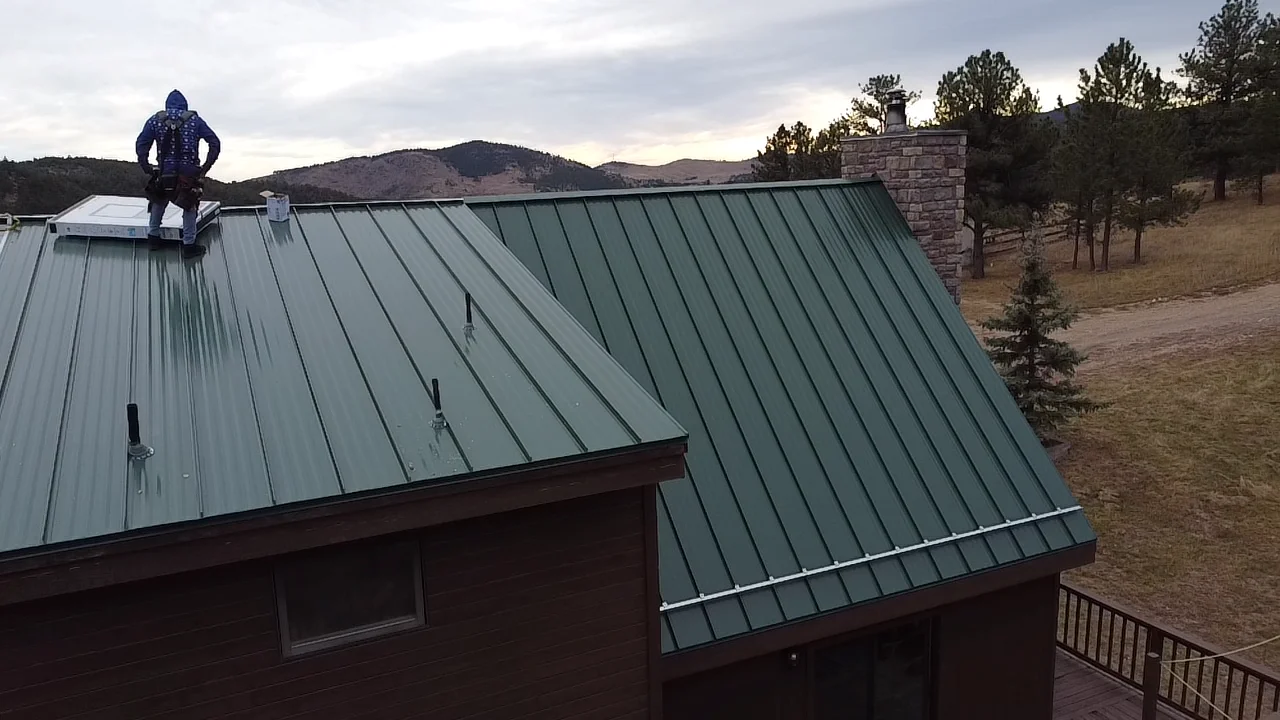
Filing a hail damage roof insurance claim in Northern Colorado involves documenting the damage, scheduling a professional roof inspection, notifying your insurance company, coordinating an adjuster inspection, reviewing the claim estimate, and completing repairs with a licensed roofing contractor. Following the correct steps ensures your claim is approved efficiently and that your roof is restored properly after a storm.
Key Takeaways
- Homeowners should document hail damage immediately after a storm and schedule a professional roof inspection before filing a claim.
- Insurance companies typically require an adjuster inspection to verify damage before approving roof repair or replacement.
- Working with an experienced local roofing contractor helps ensure accurate damage documentation and smoother claim processing.
- Northern Colorado hailstorms frequently impact communities like Greeley, Fort Collins, and Loveland, making storm damage claims common.
Why Is Hail Damage A Major Concern For Homeowners In Northern Colorado?
Northern Colorado sits within one of the most active hail corridors in the United States.
Severe thunderstorms regularly move across the Front Range during spring and summer, producing hailstones capable of damaging roofing materials, gutters, siding, and windows.
Cities like Greeley, Fort Collins, and Loveland frequently experience hailstorms that cause widespread property damage. Areas near Windsor, Johnstown, and the I-25 corridor often see particularly intense storms due to regional weather patterns.
When hailstones strike asphalt shingles or other roofing materials, they can knock away protective granules, crack the surface, or expose the underlying fiberglass mat. Even damage that looks minor can shorten a roof’s lifespan and lead to leaks later.
Because of these risks, homeowners insurance policies typically include storm damage coverage.
Understanding what are the required steps for filing a hail damage roof insurance claim in Northern Colorado helps homeowners avoid mistakes that could delay or reduce their claim payout.
What Are The Required Steps For Filing A Hail Damage Roof Insurance Claim In Northern Colorado?
The process of filing a hail damage claim follows a fairly consistent structure across most insurance carriers.
However, small mistakes in documentation or timing can complicate the claim.
Here are the standard steps homeowners should follow.
Step 1: Safely Inspect Your Property After The Storm
After a hailstorm passes, the first step is to look for visible signs of damage.
Homeowners should never climb onto a roof themselves, but they can safely check ground-level indicators.
Common signs of hail damage include:
- Dented gutters or downspouts
- Granules from shingles collecting near downspouts
- Damaged siding or window trim
- Dented metal roof vents or flashing
These indicators often suggest that roofing materials may also be compromised.
Photographs taken immediately after the storm can serve as useful documentation when speaking with an insurance provider.
Step 2: Schedule A Professional Roof Inspection
A licensed roofing contractor should inspect the roof before a claim is filed.
Professionals understand how to identify subtle storm damage that homeowners may miss.
Reputable contractors document findings through:
- Detailed photos
- Inspection reports
- Damage mapping across roof slopes
Summit Roofing Solutions, LLC has served Northern Colorado homeowners for over 13 years and regularly conducts storm damage inspections after major hail events across neighborhoods near the University of Northern Colorado and areas west of Boyd Lake.
A professional inspection provides evidence that can support your claim when speaking with your insurance company.
Step 3: Review Your Insurance Policy
Before filing a claim, homeowners should review their policy coverage.
Important policy factors include:
- Deductible amounts
- Replacement cost vs. actual cash value coverage
- Filing deadlines after storm events
- Coverage exclusions
Many policies require claims to be filed within a specific time frame after the storm.
Understanding your deductible is also critical because homeowners must pay this portion before insurance covers the remaining repair cost.
Step 4: Contact Your Insurance Provider
Once damage is confirmed, the next step is to notify your insurance company.
Most major carriers such as State Farm, Allstate, Farmers, and USAA allow claims to be filed online, through mobile apps, or by phone.
During the claim filing process, homeowners typically provide:
- Policy number
- Date of the storm event
- Description of the damage
- Photos if available
The insurance company then assigns a claim number and schedules an adjuster inspection.
Step 5: Meet With The Insurance Adjuster
An adjuster represents the insurance company and evaluates the damage firsthand.
During the inspection, the adjuster typically checks:
- Roof surfaces for hail impacts
- Soft metal components
- Gutters and downspouts
- Vent caps and flashing
Having your roofing contractor present during this inspection can be beneficial.
They can point out damage areas and ensure the adjuster sees the full scope of storm impact.
A seasoned technician once explained it this way: “Hail damage isn’t always obvious from the ground. When we walk the roof with an adjuster, we can show exactly where granules were knocked loose or shingles were bruised.”
That collaborative inspection often leads to more accurate assessments.
Step 6: Review The Insurance Claim Estimate
After the adjuster inspection, the insurance company prepares a claim summary.
This document typically includes:
- Approved repair scope
- Estimated repair cost
- Deductible amount
- Depreciation if applicable
Homeowners should review the estimate carefully with their contractor.
If damage was missed or underestimated, the contractor may submit supplemental documentation to the insurance carrier.
Step 7: Schedule Roof Repairs Or Replacement
Once the claim is approved, repairs can begin.
Depending on the damage severity, the solution may involve:
- Replacing individual shingles
- Repairing flashing or vents
- Installing an entirely new roof
Professional contractors coordinate the project timeline, material ordering, and installation process.
In many cases, payment from the insurance company is issued in two stages.
The first payment covers initial work, while a final payment is released after the job is completed and documentation is submitted.
What Types Of Roof Damage Do Insurance Companies Look For After Hailstorms?
Insurance adjusters focus on specific indicators when evaluating hail damage.
These include both cosmetic and functional damage to roofing materials.
Asphalt Shingle Damage
The most common roofing material in Northern Colorado is asphalt shingles.
Hail can cause:
- Circular impact marks
- Loss of protective granules
- Exposed fiberglass mats
- Cracked or split shingles
These issues compromise water resistance and often justify replacement.
Metal Components And Roof Accessories
Soft metal surfaces provide important clues during inspections.
Adjusters often check:
- Roof vents
- Flashing
- Gutters
- Downspouts
Dents in these areas frequently confirm hail impact.
Secondary Property Damage
Storm damage may also extend beyond the roof itself.
Insurance inspections often evaluate:
- Siding panels
- Window trim
- Skylights
- Deck coverings
Because hailstorms affect entire structures, damage across multiple exterior components strengthens the case for a claim.
Should Homeowners File A Claim For Every Hailstorm?
Not necessarily.
Filing a claim without significant damage may create unnecessary complications.
Homeowners should consider several factors before proceeding.
Deductible Costs
If the deductible is close to or higher than the repair cost, filing a claim may not be worthwhile.
Roof Age And Condition
Older roofs may already be nearing the end of their service life.
Insurance adjusters may consider pre-existing wear when evaluating hail claims.
Documentation Quality
Strong documentation improves claim success.
This is why many homeowners rely on professional inspections before filing.
You can even see what our customers are saying about how thorough inspections helped guide their insurance claim decisions.
How Long Does The Hail Damage Claim Process Usually Take?
Most hail damage claims follow a fairly predictable timeline.
However, the exact duration depends on storm severity and regional claim volume.
Initial Inspection And Claim Filing
The first phase usually takes several days to a week.
Homeowners schedule inspections and submit documentation to their insurance provider.
Adjuster Evaluation
Insurance adjuster visits typically occur within one to three weeks after filing.
During large storm events affecting Greeley or Fort Collins, scheduling may take longer due to demand.
Repair And Restoration
Once approved, roof repairs can begin quickly if contractors have material availability.
Most residential roof replacements are completed within one to two days.
However, full claim closure may take several weeks depending on paperwork and final inspections.
How Can Homeowners Avoid Common Hail Claim Mistakes?
Filing a storm damage claim involves several potential pitfalls.
Avoiding these mistakes helps ensure a smoother process.
Waiting Too Long To File
Many insurance policies require claims to be submitted within a defined timeframe.
Delays may result in denied coverage.
Working With Unlicensed Contractors
Storm-chasing contractors sometimes appear after major hailstorms.
Homeowners should always verify licensing, insurance coverage, and local reputation.
Skipping The Professional Inspection
Attempting to handle claims without professional documentation can lead to missed damage or claim disputes.
Understanding what are the required steps for filing a hail damage roof insurance claim in Northern Colorado helps homeowners navigate the process confidently and avoid these common errors.
Frequently Asked Questions
How soon should I inspect my roof after a hailstorm?
Homeowners should inspect their property for visible damage as soon as it is safe after the storm. A professional roof inspection should follow shortly afterward to identify any hidden damage.
Will my insurance premium increase if I file a hail claim?
Hail damage claims are typically classified as weather-related events rather than homeowner negligence. Premium changes depend on your insurer and overall claim history.
Can hail damage be repaired without replacing the entire roof?
Yes. Minor damage may be addressed with localized repairs such as replacing affected shingles or repairing flashing. Severe hail impact, however, often requires full roof replacement.
Do insurance companies cover gutter and siding damage from hail?
Most homeowner policies cover exterior components including gutters, siding, and window trim when damaged by hailstorms. Coverage specifics depend on the individual policy.
Do I need a roofing contractor before calling my insurance company?
While not required, many homeowners schedule a professional inspection first to confirm storm damage. This helps ensure accurate documentation before the claim is filed.
Summit Roofing Solutions, LLC is the trusted, family-run Northern Colorado roofing contractor, providing high-quality craftsmanship and reliable roofing services across Greeley, Fort Collins, and Loveland for over 13 years since February 2012. Backed by decades of combined experience, we specialize in both residential and commercial roofing, handling full roof replacement, expert new construction roofing, and complete storm damage restoration. We are the local experts for seamless insurance claim repair, always prioritizing clear communication, clean job sites, and dependable timelines. With an A+ BBB rating and nearly 100 five-star reviews, when you need a top-rated Greeley roofer or certified Fort Collins roofing company for hail damage, trust us to protect your property and deliver total peace of mind under your next roof. You can learn more about our services, view customer reviews, and connect with a trusted Northern Colorado roofing contractor by visiting Summit Roofing Solutions on Google Maps, proudly serving Greeley, Fort Collins, Loveland, and surrounding communities.