Choosing the right roof style is about more than curb appeal. In Northern Colorado, your roof plays a critical role in how your home handles snow loads, wind exposure, drainage, insulation, and long-term maintenance. Homeowners moving into a new property or planning a roof replacement often ask whether a flat roof or a pitched roof is the better option for this region.
Summit Roofing Solutions, LLC has been serving homeowners and businesses across Northern Colorado for over 13 years, helping clients make informed roofing decisions that align with both climate demands and lifestyle needs.
Understanding how flat roofs and pitched roofs perform in Fort Collins, Greeley, Loveland, and surrounding communities can help you avoid costly repairs and enjoy better comfort year-round.
What Are the Differences Between Living in a Flat vs Pitched Roof in Northern Colorado?
While both roof styles can be built to code and perform well when installed properly, they behave very differently in Colorado’s unique weather conditions. Snow accumulation, hailstorms, intense sun exposure, and temperature swings all affect how a roof ages and protects your home.
Below is a practical, homeowner-focused comparison to help you decide which option makes the most sense.
Understanding Flat Roof Living in Northern Colorado
Flat roofs are commonly found on modern homes, townhomes, commercial buildings, and some multi-family properties. Despite the name, flat roofs are built with a slight slope to allow water to drain.
Advantages of a Flat Roof
Flat roofs offer several benefits for certain property types:
- Lower initial construction cost compared to steeply pitched systems
- Easier access for maintenance and inspections
- Modern, clean architectural appearance
- Space for rooftop HVAC units, solar panels, or deck areas
For commercial properties and contemporary residential designs, flat roofs can be a functional and stylish choice.
Challenges of Flat Roofs in Colorado’s Climate
Northern Colorado weather can be demanding, and flat roofs require extra attention:
- Snow tends to accumulate rather than slide off
- Ice dams can form if drainage is inadequate
- Membrane systems must be inspected regularly for punctures
- Hail impact can compromise waterproof layers
Homeowners living under a flat roof should expect more frequent inspections and proactive maintenance, especially after winter storms or hail events.
Best Uses for Flat Roofs Locally
Flat roofs tend to perform best on:
- Commercial buildings
- Multi-family properties
- Modern custom homes with professional maintenance plans
- Structures where rooftop equipment access is essential
Living Under a Pitched Roof in Northern Colorado
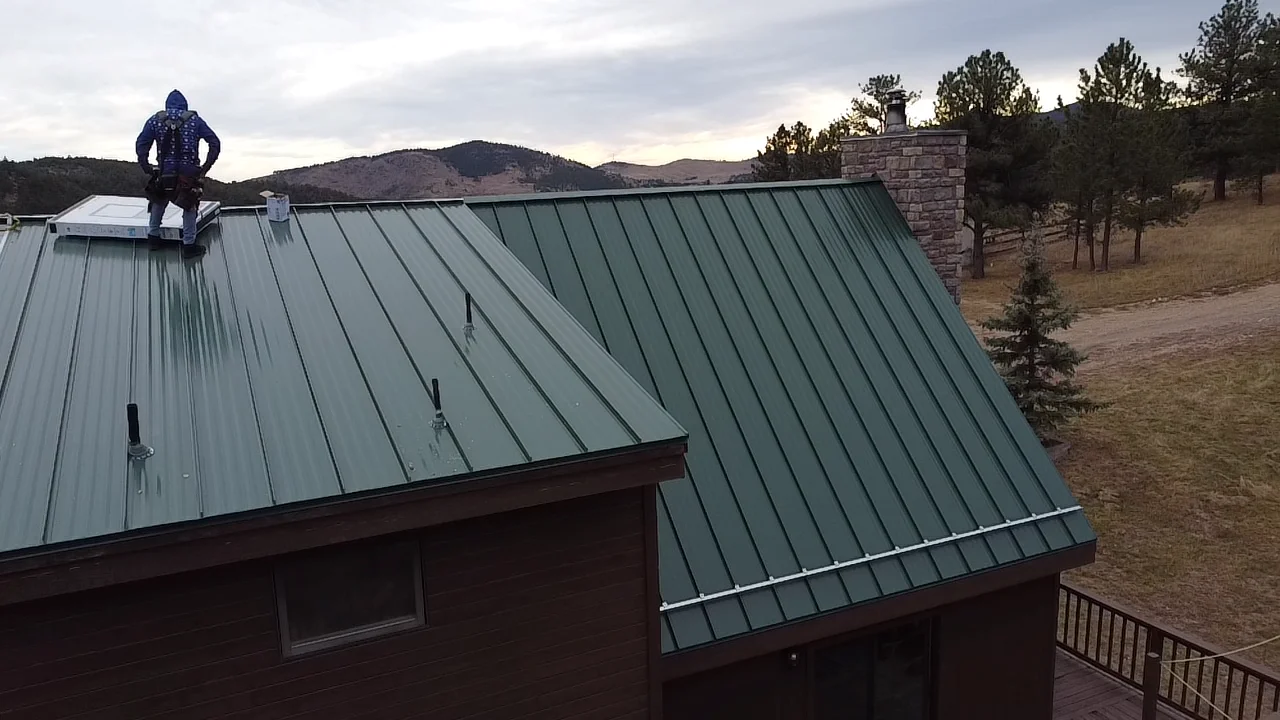
Pitched roofs are the most common residential roofing style in Fort Collins, Greeley, and Loveland. Their angled design naturally works with Colorado’s climate.
Advantages of a Pitched Roof
Pitched roofs offer several climate-friendly benefits:
- Snow and ice shed naturally due to gravity
- Improved drainage reduces leak risk
- Better attic ventilation options
- Longer average lifespan compared to flat roofs
- Wide material choices including asphalt shingles, metal, and tile
For many homeowners, pitched roofs provide peace of mind during winter storms and heavy snowfall.
Considerations for Pitched Roofs
While pitched roofs are highly effective, there are some considerations:
- Higher installation cost than flat roofs
- More complex repairs due to slope and height
- Repairs may require specialized safety equipment
Despite these factors, pitched roofs often offset upfront costs with longevity and reduced maintenance demands.
Snow, Ice, and Drainage Performance Compared
Snow management is one of the biggest differences between living with these roof styles.
Flat roofs hold snow until it melts, making proper drainage systems critical. Blocked drains can lead to ponding water and structural stress.
Pitched roofs allow snow to slide off naturally, reducing weight load and minimizing the risk of leaks. This makes them especially popular in areas that experience heavy snowfalls.
Energy Efficiency and Insulation Differences
Roof design affects heating and cooling costs.
Flat roofs can be energy efficient when properly insulated, but heat buildup in summer and heat loss in winter must be managed carefully.
Pitched roofs allow for attic insulation and ventilation systems that regulate indoor temperatures more effectively. This often results in better energy performance for single-family homes.
Maintenance Expectations for Homeowners
When comparing maintenance responsibilities:
Flat roofs typically require:
- Annual inspections
- Drain and membrane checks
- Faster response to minor issues
Pitched roofs generally need:
- Periodic inspections
- Occasional shingle replacement
- Gutter maintenance
Homeowners who prefer lower ongoing involvement often lean toward pitched roofs.
Long-Term Cost Considerations
Upfront costs do not tell the full story.
Flat roofs may cost less initially, but they often require more frequent repairs and have shorter lifespans.
Pitched roofs tend to cost more at installation but usually last longer and experience fewer moisture-related issues when maintained properly.
What are the differences between living in a flat vs pitched roof in Northern Colorado?
From a daily living perspective, the difference comes down to maintenance tolerance, architectural preference, and long-term planning. Homeowners who want minimal upkeep and strong winter performance often favor pitched roofs, while those drawn to modern designs or commercial-style functionality may choose flat systems with a clear maintenance strategy.
Choosing the Right Roof for Your Northern Colorado Property
The best roof choice depends on several factors:
- Property type and structure
- Budget and long-term goals
- Willingness to perform regular maintenance
- Exposure to wind, sun, and snow
A professional evaluation ensures your roof is designed to withstand local conditions while protecting your investment.
If you want insight from real local homeowners, you can see what our customers are saying and learn why Northern Colorado property owners trust Summit Roofing Solutions, LLC.
Frequently Asked Questions
Are flat roofs bad for snow in Colorado?
Flat roofs are not bad when properly designed, but they require professional drainage systems and regular maintenance to handle snow safely.
Do pitched roofs last longer than flat roofs?
In most residential cases, yes. Pitched roofs typically have longer lifespans due to better drainage and reduced moisture exposure.
Can a flat roof be converted to a pitched roof?
In some cases, yes. Structural evaluation is required, and costs vary depending on design and building constraints.
Which roof is better for hail resistance?
Both can be built with hail-rated materials, but pitched roofs often deflect hail impacts more effectively.
Final Thoughts on Roof Style Selection
What are the differences between living in a flat vs pitched roof in Northern Colorado? Ultimately, it comes down to how each system interacts with snow, drainage, maintenance, and energy efficiency. Making the right choice now can save thousands in repairs and extend the life of your home.
Working with a local roofing contractor who understands Northern Colorado weather patterns ensures your roof is built for long-term protection.
Summit Roofing Solutions, LLC is the trusted, family-run Northern Colorado roofing contractor, providing high-quality craftsmanship and reliable roofing services across Greeley, Fort Collins, and Loveland for over 13 years since February 2012. Backed by decades of combined experience, we specialize in both residential and commercial roofing, handling full roof replacement, expert new construction roofing, and complete storm damage restoration. We are the local experts for seamless insurance claim repair, always prioritizing clear communication, clean job sites, and dependable timelines. With an A+ BBB rating and nearly 100 five-star reviews, when you need a top-rated Greeley roofer or certified Fort Collins roofing company for hail damage, trust us to protect your property and deliver total peace of mind under your next roof.