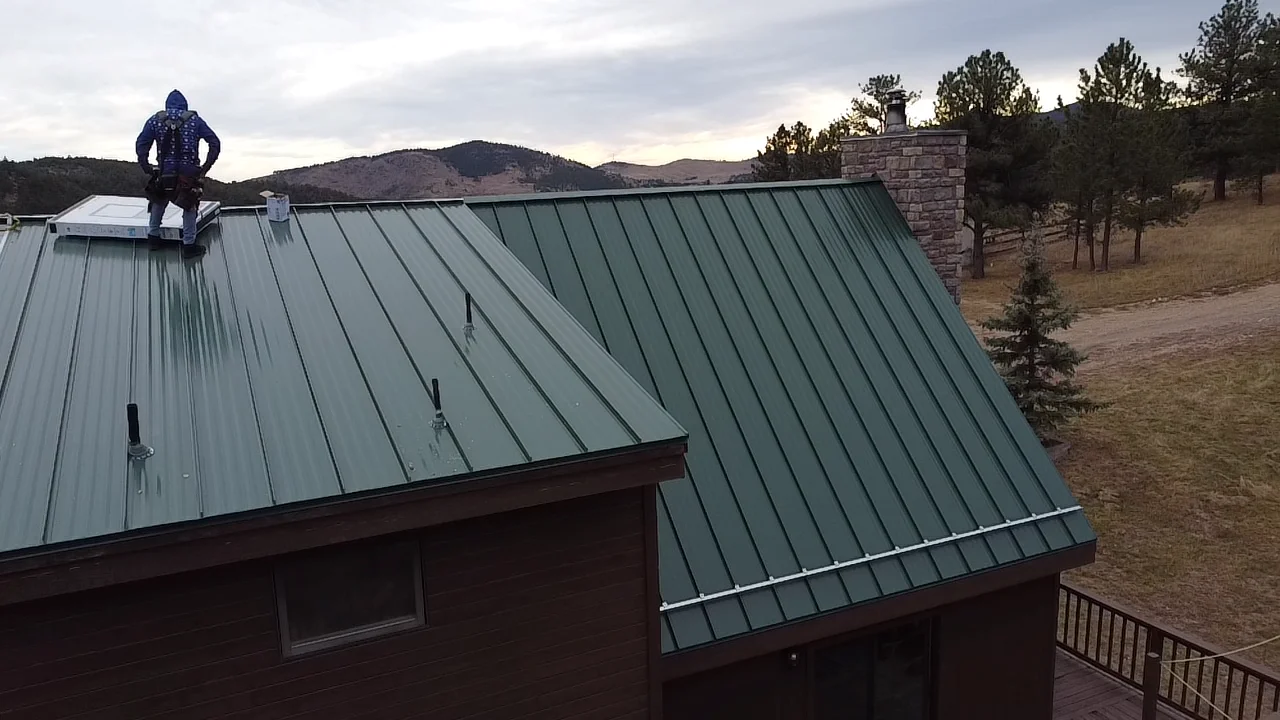
In many cases, yes—hail damage can weaken shingles, expose underlying materials, and shorten a roof’s lifespan. A professional inspection determines whether repairs are sufficient or whether full replacement is safer. Our team evaluates the extent of impact damage, insurance eligibility, and long-term structural integrity before recommending the best solution.
Key Takeaways
- Hail can compromise shingles, flashing, and underlayment even when damage is not immediately visible.
- A professional roof inspection helps determine whether repair or full replacement is the safer option.
- Insurance policies often cover storm-related roof replacement if damage meets claim thresholds.
- Acting quickly after a hailstorm helps prevent leaks, mold, and structural deterioration.
What Happens To A Roof During A Hailstorm?
Hailstorms can cause both obvious and hidden damage to roofing systems. Impact from hailstones can crack shingles, dislodge granules, dent metal flashing, and expose the protective layers beneath your roof’s surface.
In Northern Colorado, hailstones often exceed one inch in diameter during severe storms. When these stones strike asphalt shingles at high speeds, they can bruise or fracture the material. Even if the roof appears intact from the ground, the internal structure of the shingle may already be compromised.
Granule loss is one of the most common forms of hail damage. The granules protect shingles from UV radiation and weathering. When hail knocks them loose, the shingle begins deteriorating more rapidly, which can shorten the roof’s lifespan significantly.
Damage can also affect vents, skylights, gutters, and flashing around chimneys. These components are critical to the roof’s waterproofing system, and damage in these areas may eventually allow water to penetrate the structure.
Homeowners in neighborhoods such as West Greeley and areas near the University of Northern Colorado often experience concentrated hail activity during summer storm systems. After a storm passes, it is important to assess the roof promptly.
How Do You Know If Hail Damage Requires Roof Replacement?
Not all hail damage automatically requires a full roof replacement. In some situations, localized repairs may be sufficient. The key factor is whether the damage has compromised the structural integrity of the roofing system.
Signs That A Roof May Need Replacement
- Widespread shingle bruising or fractures
- Extensive granule loss across multiple slopes
- Cracked or split shingles exposing the underlayment
- Water infiltration or attic leaks
- Damage affecting multiple roof components
When hail damage is widespread across several sections of the roof, repairs often become impractical. Replacing isolated shingles can sometimes create inconsistent sealing and leave adjacent materials vulnerable.
A professional roofing contractor evaluates not only visible damage but also underlying structural risks. Moisture intrusion beneath damaged shingles can lead to mold growth or wood rot if not addressed quickly.
Our team frequently explains to homeowners that the decision often depends on damage density. If hail impacts are scattered lightly across the roof, repair may be appropriate. If impacts are concentrated throughout the system, replacement is usually the safer option.
Should You Replace Your Roof After Hail Damage?
Many homeowners search this exact question after a severe storm, especially when they begin noticing dents in gutters or granules collecting in downspouts.
Whether you should replace your roof after hail damage depends on three key factors: the severity of impact damage, the age of the roof, and the requirements of your insurance provider.
Severity Of Impact Damage
If hailstones have caused structural fractures in shingles, replacement is often recommended. Damaged shingles can no longer provide reliable waterproof protection.
Minor cosmetic dents may not require full replacement. However, functional damage—such as cracking or mat bruising—typically warrants more extensive repair work.
Age Of The Roof
Roof age plays a major role in determining the best course of action.
If a roof is already approaching the end of its expected lifespan, replacing it after hail damage often makes more financial sense than performing repeated repairs.
For example, a 20-year-old asphalt roof that suffers storm damage may fail prematurely even after patchwork repairs.
Insurance Claim Eligibility
Most homeowner insurance policies cover storm-related roof damage. If the damage meets the insurer’s threshold, they may approve a full roof replacement rather than partial repairs.
Insurance adjusters evaluate impact marks, material fractures, and functional damage when determining claim approval.
Homeowners dealing with storm damage often benefit from working with an experienced contractor who understands the insurance claim process.
What Should Homeowners Do Immediately After A Hailstorm?
Schedule A Professional Inspection
A licensed roofing contractor should perform a full inspection to document damage.
Roof inspections typically include checking shingles, flashing, vents, skylights, gutters, and attic spaces. Contractors often use tools such as moisture meters and inspection cameras to identify hidden water intrusion.
Document Visible Damage
Homeowners should photograph any visible storm damage around the property. Dents in gutters, downspouts, window screens, and air conditioning units can help confirm hail activity.
This documentation can be useful when filing a claim with your insurance provider.
Contact Your Insurance Company
Once damage is confirmed, the next step is to notify your insurance carrier.
They may send an adjuster to evaluate the roof and determine whether the damage qualifies for repair or replacement under your policy.
A knowledgeable contractor can help ensure that all storm damage is properly documented during this inspection.
Prevent Secondary Damage
If there are visible leaks or missing shingles, temporary protective measures may be necessary until permanent repairs are completed.
Roof tarping is sometimes used to prevent water intrusion while waiting for claim approval or replacement scheduling.
How Do Roofing Professionals Evaluate Hail Damage?
Impact Mapping
Roofers often mark hail strikes across multiple sections of the roof to determine the density and pattern of impacts.
This process helps determine whether damage is isolated or widespread.
Shingle Flex Testing
In some cases, technicians gently test the flexibility of damaged shingles. Hail bruising can weaken the fiberglass mat inside the shingle, making it more prone to cracking.
Attic Inspection
Roof damage sometimes reveals itself from inside the attic before it becomes visible on the roof surface.
Inspectors check for moisture stains, daylight penetration, and insulation dampness that could indicate leaks.
Expert Insight From The Field
One of our technicians often tells homeowners that the easiest way to spot hidden hail damage is to check the softer metal components first. If vents, flashing, or gutter guards show dents, there is a strong chance the shingles absorbed similar impacts.
Why Northern Colorado Homes Are Especially Vulnerable To Hail
Northern Colorado is part of what meteorologists often call “Hail Alley,” a region that experiences frequent severe hailstorms due to atmospheric conditions along the Front Range.
Cities like Greeley, Fort Collins, and Loveland regularly experience storms capable of producing damaging hail.
Storm cells often develop along the foothills and move east across the plains. When these storms intensify, hailstones can grow rapidly before reaching residential areas.
Homes near Glenmere Park or properties closer to the Cache la Poudre River corridor may experience localized storm impacts depending on weather patterns.
Because hailstorms can affect entire neighborhoods simultaneously, roofing contractors often see large clusters of inspection requests after major storms.
Why Professional Inspections Matter After Hailstorms
Many types of hail damage are difficult to identify without professional training.
A roof may appear undamaged from the ground while still suffering from internal structural compromise.
Small fractures in shingles can allow moisture to slowly infiltrate the roof deck over time. Weeks or months later, homeowners may begin noticing leaks or mold growth.
Professional inspections help detect these issues early before they develop into more costly structural repairs.
Homeowners can also see what our customers are saying about their experience working with our team during storm damage assessments and roof replacement projects.
How Summit Roofing Solutions Helps Homeowners After Hailstorms
At Summit Roofing Solutions, our team has spent more than 13 years helping Northern Colorado homeowners navigate storm damage and roof replacement decisions.
We provide comprehensive roof inspections that evaluate the entire roofing system, including shingles, underlayment, flashing, vents, and attic ventilation.
Our goal is to give homeowners clear, honest guidance about whether repair or replacement is the best option.
We also assist homeowners throughout the insurance claim process, helping document damage and communicate directly with adjusters when needed.
Because hail damage can be complex, having a knowledgeable contractor involved often helps ensure that the full scope of storm damage is properly addressed.
Should You Replace Your Roof After Hail Damage?
For many homeowners, the safest choice is often replacement when hail damage is widespread or structural. Repairs may address visible problems temporarily, but compromised materials can lead to leaks or premature roof failure later.
That is why a thorough inspection is essential before making a final decision.
If your roof has experienced a recent storm event, understanding whether repairs or replacement are appropriate can protect both your home and your long-term investment.
Frequently Asked Questions
How soon should I inspect my roof after a hailstorm?
Ideally within a few days. Early inspections allow contractors to document storm damage before weather exposure worsens the problem.
Can hail damage a roof without causing leaks right away?
Yes. Many forms of hail damage weaken shingles internally without immediately causing leaks. Water infiltration may occur weeks or months later as materials deteriorate.
Does homeowners insurance always cover hail damage?
Most policies cover storm damage, but coverage depends on the policy terms and the severity of damage documented during the inspection.
Is it possible to repair hail damage instead of replacing the roof?
Yes, if damage is limited to a small section of the roof. Widespread damage usually makes replacement the safer long-term solution.
What size hail typically causes roof damage?
Hailstones around one inch in diameter can damage asphalt shingles. Larger hailstones significantly increase the risk of structural roof damage.
Summit Roofing Solutions, LLC is the trusted, family-run Northern Colorado roofing contractor, providing high-quality craftsmanship and reliable roofing services across Greeley, Fort Collins, and Loveland for over 13 years since February 2012. Backed by decades of combined experience, we specialize in both residential and commercial roofing, handling full roof replacement, expert new construction roofing, and complete storm damage restoration. We are the local experts for seamless insurance claim repair, always prioritizing clear communication, clean job sites, and dependable timelines. With an A+ BBB rating and nearly 100 five-star reviews, when you need a top-rated Greeley roofer or certified Fort Collins roofing company for hail damage, trust us to protect your property and deliver total peace of mind under your next roof. You can learn more about our services, view customer reviews, and connect with a trusted Northern Colorado roofing contractor by visiting Summit Roofing Solutions on Google Maps, proudly serving Greeley, Fort Collins, Loveland, and surrounding communities.