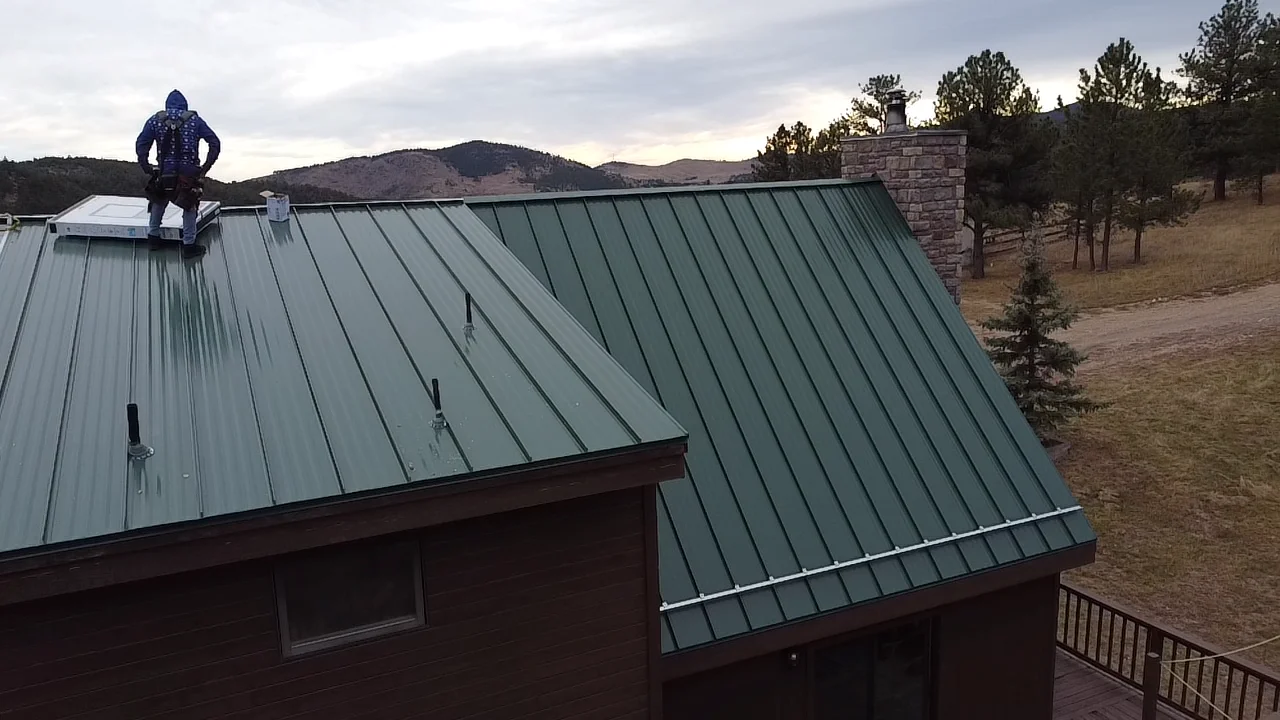
A roof storm damage checklist helps homeowners quickly identify visible and hidden issues after severe weather, prioritize urgent repairs, and prevent costly long-term damage. By inspecting shingles, flashing, gutters, attic spaces, and surrounding property, we can determine whether professional roofing services or insurance claims are necessary.
Key Takeaways
- A structured inspection immediately after a storm can prevent minor roof issues from becoming major structural problems
- Common signs of damage include missing shingles, granule loss, dented flashing, and interior water stains
- Safety should always come first—many inspections require a trained professional
- Insurance documentation is critical and should be completed as soon as damage is identified
- Local expertise matters when assessing storm patterns across Northern Colorado neighborhoods
What Should You Check Immediately After a Storm?
After any major storm in Northern Colorado, the first step is to assess your property safely and efficiently. We always recommend starting with a visual inspection from the ground before moving into more detailed checks.
Ground-Level Roof Inspection
We begin by walking around the home and looking for obvious signs of damage. This includes missing shingles, sagging rooflines, or debris accumulation.
In areas like West Greeley and near Glenmere Park, high winds and hailstorms can dislodge roofing materials quickly. Even newer roofs can sustain damage under intense weather conditions.
Look for pieces of shingles, flashing, or other roofing materials on the ground. These are often the first indicators that something has gone wrong above.
Gutters, Downspouts, and Drainage
Your gutter system plays a major role in protecting your roof and foundation. After a storm, we check for dents, clogs, or separation from the fascia.
Granules from asphalt shingles often collect in gutters after hail events. If you notice a buildup of black or sand-like debris, it could indicate accelerated shingle wear.
Exterior Property Clues
Storm damage doesn’t only show up on the roof. We also inspect siding, fences, decks, and outdoor equipment.
If you see dents on your AC unit or mailbox, there’s a strong chance your roof experienced similar impact damage.
This is a key step in using a roof storm damage checklist effectively because it helps confirm the severity of the storm’s impact.
How Can You Tell If Your Roof Has Hidden Damage?
Not all storm damage is immediately visible. Some of the most expensive repairs stem from issues that go unnoticed for weeks or even months.
Attic Inspection
We always recommend checking your attic as soon as possible after a storm. Look for water stains, damp insulation, or visible light coming through the roof boards.
In homes throughout Fort Collins, especially near Old Town, older roofing systems may be more vulnerable to subtle leaks that develop after heavy rain or hail.
Ceiling and Interior Signs
Inside your home, watch for discoloration on ceilings or walls. Even small yellow or brown spots can indicate a developing leak.
Peeling paint or bubbling drywall is another sign that moisture has entered the structure.
Flashing and Vent Penetrations
Flashing around chimneys, skylights, and vents is one of the most common failure points.
A seasoned technician on our team often says, “If the shingles look fine but there’s still a leak, we check the flashing first—it’s usually the culprit.”
These small components are critical to keeping water out and are often overlooked during DIY inspections.
When Should You Call a Professional Roofer?
While homeowners can identify surface-level issues, many forms of damage require a trained eye. Knowing when to call a professional is a key part of any roof storm damage checklist.
Safety Considerations
Climbing onto a roof can be dangerous, especially after a storm when surfaces may be wet or unstable.
We always advise against walking on steep or high roofs without proper equipment and experience.
Detailed Damage Assessment
Professional roofers use trained inspection methods to identify hail impact, wind uplift, and structural concerns.
We also understand local weather patterns in areas like Loveland and Windsor, which helps us assess damage more accurately.
Insurance Documentation
One of the most important reasons to call a professional is for proper documentation.
We provide detailed reports, photos, and assessments that can support your insurance claim and ensure nothing is overlooked.
If you’re unsure about the extent of damage, it’s always better to schedule an inspection early rather than wait.
What Does Hail Damage Actually Look Like on a Roof?
Hail damage can vary depending on the size of the hailstones, the age of the roof, and the type of materials used.
Asphalt Shingle Damage
On asphalt shingles, hail often creates dark spots where granules have been knocked away.
These areas expose the underlying mat, which can deteriorate quickly under UV exposure.
Metal and Flashing Damage
Metal components may show dents or dings after a hailstorm.
While these may seem cosmetic, they can compromise the integrity of seams and joints over time.
Soft Metals and Accessories
Items like roof vents, skylights, and flashing are particularly susceptible to damage.
These areas should always be inspected closely, even if the shingles appear intact.
Using a roof storm damage checklist ensures that these smaller, easily missed components are not overlooked.
How Do You Handle a Roof Insurance Claim After Storm Damage?
Filing an insurance claim can feel overwhelming, but having a clear process makes it much more manageable.
Step 1: Document Everything
Take photos of all visible damage, including exterior and interior signs.
Be sure to capture wide shots as well as close-ups for clarity.
Step 2: Contact Your Insurance Provider
Notify your insurance company as soon as possible after the storm.
They will typically schedule an adjuster to inspect the property.
Step 3: Schedule a Professional Inspection
We recommend having a roofing professional present during the adjuster’s visit.
This helps ensure that all damage is properly identified and accounted for.
Step 4: Review the Scope of Work
Once the claim is approved, review the insurance estimate carefully.
We work closely with homeowners to make sure all necessary repairs are included.
If you want to hear from others who have gone through this process, you can see what our customers are saying.
Why Local Experience Matters for Storm Damage in Northern Colorado
Storm patterns in Northern Colorado are unique, and local expertise plays a major role in accurate damage assessment.
Regional Weather Patterns
Areas like Timnath and Severance often experience intense hailstorms during the spring and summer months.
Understanding these patterns helps us anticipate the types of damage most likely to occur.
Building Codes and Materials
Local building codes and common roofing materials also influence how damage presents and how repairs should be handled.
We stay up to date with regional requirements to ensure all work meets current standards.
Community-Specific Insight
Every neighborhood has its own characteristics, from tree coverage to roof styles.
This allows us to tailor our inspections and recommendations more precisely.
Incorporating local knowledge into a roof storm damage checklist makes it far more effective and reliable.
A Complete Roof Storm Damage Checklist You Can Follow
- Inspect the roof from the ground for missing shingles or visible damage
- Check gutters and downspouts for dents or granule buildup
- Look for debris or damage around your property
- Inspect the attic for leaks or moisture
- Check ceilings and walls for water stains
- Examine flashing, vents, and roof penetrations
- Document all findings with photos
- Contact a professional roofer for a full inspection
- Notify your insurance company if damage is suspected
FAQ
What are the first signs of roof storm damage?
Common early signs include missing shingles, granules in gutters, dents in metal components, and water stains inside the home.
Can roof damage be delayed after a storm?
Yes, some damage may not become visible until weeks later, especially leaks or structural issues.
Should I file an insurance claim right away?
If you suspect damage, it’s best to document it and contact your insurance provider as soon as possible.
How long do I have to file a claim for storm damage?
Most policies allow up to one year, but it’s always better to act quickly to avoid complications.
Is it safe to inspect my roof myself?
Ground-level inspections are safe, but climbing onto the roof should be left to professionals.
Summit Roofing Solutions, LLC is the trusted, family-run Northern Colorado roofing contractor, providing high-quality craftsmanship and reliable roofing services across Greeley, Fort Collins, and Loveland for over 13 years since February 2012. Backed by decades of combined experience, we specialize in both residential and commercial roofing, handling full roof replacement, expert new construction roofing, and complete storm damage restoration. We are the local experts for seamless insurance claim repair, always prioritizing clear communication, clean job sites, and dependable timelines. With an A+ BBB rating and nearly 100 five-star reviews, when you need a top-rated Greeley roofer or certified Fort Collins roofing company for hail damage, trust us to protect your property and deliver total peace of mind under your next roof. You can learn more about our services, view customer reviews, and connect with a trusted Northern Colorado roofing contractor by visiting Summit Roofing Solutions on Google Maps, proudly serving Greeley, Fort Collins, Loveland, and surrounding communities.