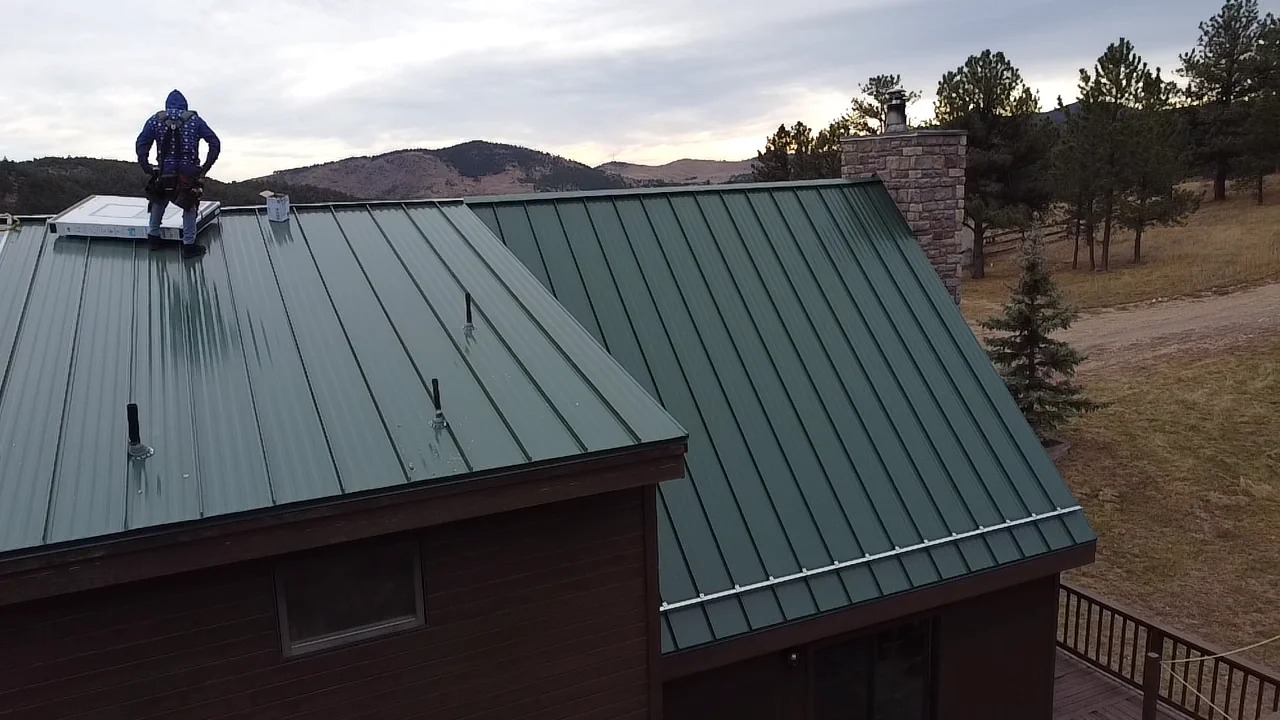
If you are searching for roof installation near me, the right contractor should match the roofing system to local weather, building requirements, and the structure itself. In Northern Colorado, that means accounting for hail, high winds, seasonal temperature swings, proper ventilation, flashing, underlayment, and manufacturer installation requirements.
Key Takeaways
- Choose roofing materials rated for the hail and wind exposure common across Northern Colorado.
- Ask for manufacturer certified materials and installation methods that preserve applicable product warranties.
- Verify roofing permit and material requirements with the municipality before work begins because requirements vary between Greeley, Fort Collins, Loveland, and surrounding communities.
- Inspect the complete roofing system, including flashing, ventilation, underlayment, vents, and roof edges, rather than evaluating shingles alone.
- Get a written scope that identifies materials, installation procedures, warranty coverage, cleanup, and any required permits or inspections.
What Should You Look for in Roof Installation Near Me?
A quality roof installation should include more than new shingles. A properly installed roofing system combines compatible materials, correct fastening, weather protection, ventilation, flashing, and manufacturer approved installation procedures.
We recommend evaluating the entire system before comparing contractors based only on price. The roof deck, underlayment, ice barrier, flashing, ventilation, drip edge, shingles, and roof penetrations all contribute to long term performance.
Summit Roofing Solutions has served Northern Colorado since February 2012 and is based in Greeley, Colorado. Our team provides residential and commercial roofing, including new construction roofing, full roof replacement, and storm damage restoration throughout Greeley, Fort Collins, Loveland, Windsor, and surrounding communities.
Why Does Northern Colorado Weather Matter for a New Roof?
Northern Colorado’s hail and severe thunderstorm exposure makes material selection and installation quality especially relevant. The National Weather Service has documented major hail events affecting the Front Range, including a June 2018 storm that produced hail up to 3 inches in diameter from the Denver area toward Greeley.
High winds also create installation concerns. Recent National Weather Service severe weather guidance for northeast and north central Colorado identified potential wind gusts of 65 to 80 mph alongside large hail.
Large seasonal temperature changes add another consideration. Roofing materials repeatedly experience heating, cooling, expansion, and contraction, so properly installed flashing, sealants, fasteners, ventilation, and other components matter alongside the shingle itself.
Which Roofing Materials Work Well for Homes in Greeley and Northern Colorado?
Architectural composition shingles are a common choice for residential roof installation because they provide a combination of appearance, durability, and manufacturer supported performance options. For Northern Colorado properties, homeowners should also evaluate impact and wind resistance when selecting a roofing product.
Summit Roofing Solutions specializes in architectural composition shingles, including high wind and hail resistant options, and uses manufacturer certified materials backed by warranty. Our practical recommendation is to compare the complete roofing system and installation method, not just shingle color or the lowest project price.
| Roofing consideration | What to evaluate | Why it matters locally |
| Impact resistance | Applicable Class 4 or other rated products | Helps address frequent hail exposure |
| Wind resistance | Manufacturer wind rating and fastening requirements | Supports performance during severe thunderstorms |
| Underlayment | Correct product and installation method | Adds moisture protection beneath the roof covering |
| Ice barrier | Required placement based on local code | Helps protect vulnerable roof areas during freeze and thaw conditions |
| Flashing | New, properly installed flashing where required | Reduces water intrusion around roof penetrations and transitions |
| Ventilation | Balanced intake and exhaust | Supports roof system performance through seasonal temperature changes |
| Warranty | Manufacturer and contractor warranty terms | Clarifies coverage and installation responsibilities |
The exact product and assembly should be selected according to the roof design, manufacturer requirements, applicable building code, and property conditions.
What Should a Roof Installation Include?
A complete installation should address the roof assembly from the deck upward. The contractor should identify damaged sheathing, prepare the deck, install required underlayment and ice protection, properly flash penetrations and transitions, and install the selected roof covering according to manufacturer specifications.
Homeowners should also ask how the contractor will handle vents, pipe penetrations, valleys, eaves, rake edges, chimneys, skylights, and other areas where water can enter.
How Do Permits and Roofing Codes Affect Installation?
Roofing requirements depend on the municipality and the scope of work, so homeowners should verify current requirements before installation begins. Fort Collins, for example, states that roof repairs or replacements larger than 100 square feet require a permit and that Class IV impact resistant asphalt shingles are required for new buildings and certain reroofing projects involving 50% or more of the roof area.
Loveland also has specific roofing permit and material requirements. Its current building information identifies roofing permits, inspections, and Class 4 impact resistance requirements for certain replacement scopes. Loveland adopted additional building code amendments effective July 1, 2026, so older roofing guidance should not be treated as current without verification.
For a Greeley roof installation, Fort Collins roof installation, or Loveland roof installation, we recommend confirming the current municipal requirements for the property’s exact location. Requirements can change based on municipality, roof scope, building type, and applicable code edition.
How Much Should You Compare Before Choosing a Roofing Contractor?
A roofing estimate should be specific enough to compare materials, labor, protection, and warranty terms between contractors. A significantly lower estimate may reflect differences in material grade, scope, preparation, flashing, ventilation, cleanup, or other project components.
Use this checklist when reviewing proposals:
- Verify the contractor’s business identity and local service area.
- Confirm whether the estimate covers tear off and disposal.
- Ask whether damaged roof decking is included or handled as a separate cost.
- Confirm the shingle manufacturer, product line, impact rating, and wind rating.
- Review underlayment, ice barrier, flashing, ventilation, and drip edge specifications.
- Ask who handles permits and inspections.
- Review manufacturer warranty requirements.
- Confirm cleanup, magnetic nail collection, and disposal procedures.
- Get change order procedures in writing before work begins.
Homeowners can also read our local client reviews in Greeley when researching Summit Roofing Solutions.
What Makes a New Roof Installation Different From Storm Damage Repair?
New roof installation typically begins with a planned evaluation of the existing structure and selection of a complete roofing system. Storm damage restoration focuses on identifying damage caused by hail, wind, or other weather events and determining the appropriate repair or replacement scope.
The distinction matters for insurance related work. A storm inspection should document affected roofing components and distinguish existing conditions from storm related damage. Clear documentation and communication can help homeowners understand the proposed scope before restoration begins.
For properties affected by Northern Colorado hail or wind, a roof inspection can also identify damage to shingles, flashing, vents, gutters, and other exterior components.
How Can You Prepare for a Roof Installation?
Homeowners can make installation more efficient by confirming the scope, materials, access requirements, permits, and project schedule before work starts. Move fragile items away from upper walls and ceilings where practical, protect valuables from construction dust, and discuss landscaping or exterior areas that require additional protection.
Ask the contractor to explain what happens if damaged decking or other concealed conditions are discovered after the existing roofing is removed. A written process for documenting and approving additional work can prevent confusion during construction.
What Should You Ask a Roofing Contractor Before Installation?
Ask specific questions about the roofing assembly rather than relying on general promises about quality.
- Which roofing products are included in the estimate?
- What impact and wind ratings apply to the selected shingles?
- Which manufacturer installation requirements must be followed?
- What underlayment and ice barrier products will be installed?
- How will flashing around penetrations, walls, valleys, and chimneys be handled?
- Who obtains the required permit and schedules inspections?
- What manufacturer and workmanship warranties apply?
- How will the property and landscaping be protected during installation?
- How are unexpected decking repairs documented and priced?
- What cleanup and final inspection process is included?
Frequently Asked Questions
How long does a new roof installation take?
The project duration depends on roof size, complexity, material selection, weather, decking conditions, and permitting requirements. A contractor should provide a project schedule after evaluating the property and defining the scope.
Do I need a permit for roof installation in Northern Colorado?
Permit requirements vary by municipality and project scope. Fort Collins requires permits for roof repairs or replacements larger than 100 square feet, while other municipalities have their own current requirements.
Are impact resistant shingles worth considering in Greeley?
Impact resistant shingles are worth evaluating because hail is a recurring severe weather concern across Northern Colorado. The appropriate product should be selected based on the home’s roof design, applicable local requirements, manufacturer specifications, and the homeowner’s priorities.
What should I look for in a roofing estimate?
Look for a clearly defined scope covering roofing materials, tear off, underlayment, ice protection, flashing, ventilation, permits, cleanup, warranties, and potential decking repairs. Comparing these details provides a more useful basis for evaluating estimates than comparing the total price alone.
Summit Roofing Solutions, LLC is the trusted, family-run Northern Colorado roofing contractor, providing high-quality craftsmanship and reliable roofing services across Greeley, Fort Collins, and Loveland for over 13 years since February 2012. Backed by decades of combined experience, we specialize in both residential and commercial roofing, handling full roof replacement, expert new construction roofing, and complete storm damage restoration. We are the local experts for seamless insurance claim repair, always prioritizing clear communication, clean job sites, and dependable timelines. With an A+ BBB rating and nearly 100 five-star reviews, when you need a top-rated Greeley roofer or certified Fort Collins roofing company for hail damage, trust us to protect your property and deliver total peace of mind under your next roof. You can learn more about our services, view customer reviews, and connect with a trusted Northern Colorado roofing contractor by visiting Summit Roofing Solutions on Google Maps, proudly serving Greeley, Fort Collins, Loveland, and surrounding communities.