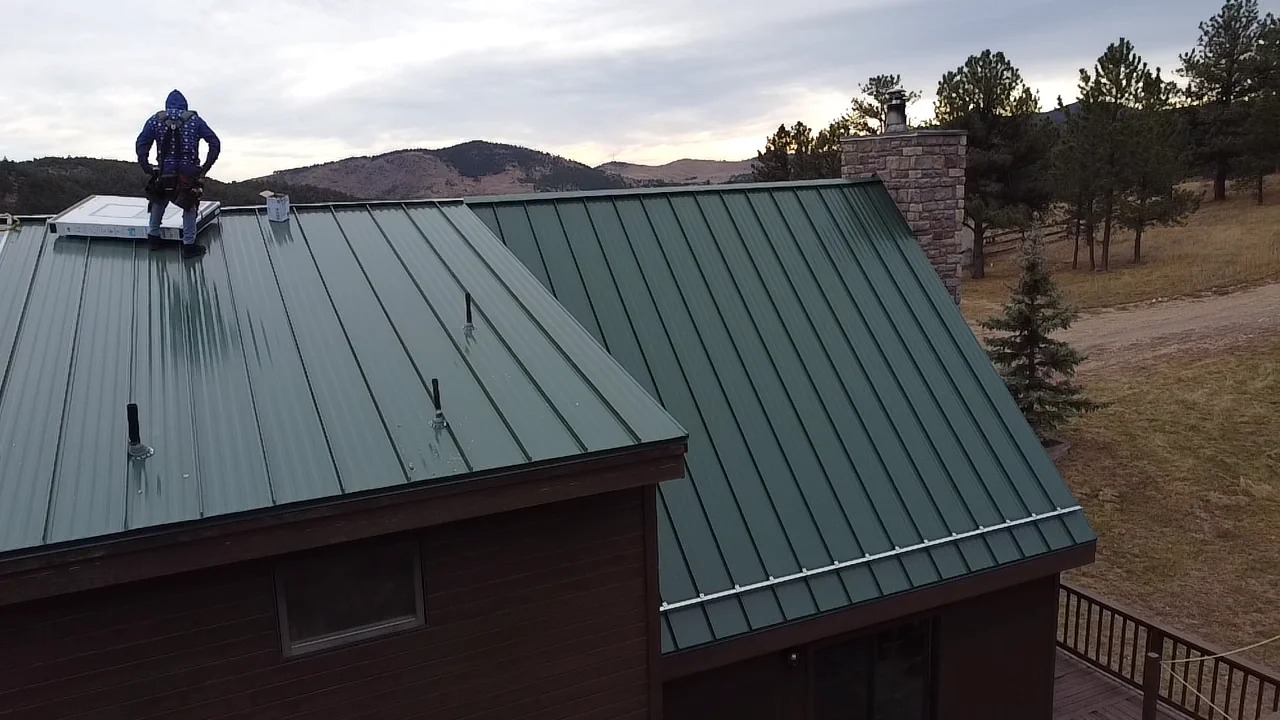
Local roofing companies should be evaluated by licensing, permitting, insurance, roofing expertise, storm experience, written estimates, and knowledge of local building requirements. In Northern Colorado, homeowners should also consider hail, high winds, snow, and freeze thaw exposure when selecting a roofer for repairs, replacement, or storm damage restoration.
Key Takeaways
- Verify that a roofing contractor meets the licensing or registration requirements of the municipality where the property is located.
- Confirm that the roofer will obtain the required roofing permit before work begins.
- Ask for proof of current liability and workers’ compensation insurance before signing a contract.
- Northern Colorado roofs should be evaluated for hail, wind, snow, and freeze thaw damage.
- Fort Collins requires Class 4 impact resistant asphalt shingles when replacing 50% or more of the applicable roof area.
What Should You Look for in Local Roofing Companies?
The strongest local roofing companies provide clear credentials, detailed scopes of work, appropriate insurance, and a documented process for completing the project. Homeowners should verify these details before comparing prices.
A professional roofing evaluation should identify the condition of the shingles or roofing membrane, flashing, vents, penetrations, gutters, decking, and other components that could affect roof performance. The written estimate should explain which materials will be installed and what work is included.
For homeowners in Greeley, Fort Collins, Loveland, and Windsor, local experience also matters because roofing systems face recurring hail and severe weather exposure. A contractor should understand how storm damage can affect shingles, flashing, vents, gutters, and other roof components.
Summit Roofing Solutions has served Northern Colorado since February 2012, providing residential and commercial roofing services from its Greeley base. Our team handles roof replacement, new construction roofing, and storm damage restoration, including insurance related repair projects.
How Do You Verify a Local Roofing Company’s License and Permit Requirements?
Colorado does not have a statewide roofing contractor license or registration requirement specifically for roofing contractors. Instead, licensing and permitting requirements can vary by city and county, so homeowners should verify requirements with the jurisdiction where the property is located.
That distinction matters in Northern Colorado. Fort Collins, for example, has a specific roofing contractor licensing category, while Windsor states that contractors performing work within the town do not need a contractor license. Greeley is scheduled to require a City of Greeley contractor license for applicable contractors beginning January 1, 2027.
Use this checklist before hiring:
Verification | What to confirm |
Local license or registration | The contractor satisfies the current requirements of the property’s municipality |
Roofing permit | The required permit will be obtained before work begins |
Insurance | Current liability and workers’ compensation coverage |
Written estimate | Materials, labor, scope, exclusions, and project terms are documented |
Roofing system | Shingles, membrane, flashing, underlayment, ventilation, and other components are identified |
Storm restoration | Damage documentation and insurance related responsibilities are clearly explained |
Our expert tip is simple: a roofer describing itself as “licensed” is not enough. Ask which city or county issued the credential and verify that it is current. Also confirm who will pull the roofing permit and make sure the permit is issued before construction begins.
What Local Roofing Companies Should Know About Northern Colorado Weather
Northern Colorado roofing systems must withstand several recurring weather conditions, particularly hail and severe thunderstorms. These storms can damage shingles, loosen materials, affect flashing and vents, and create conditions that allow water to enter the roof assembly.
Hail exposure makes post storm inspections especially relevant in Greeley and throughout the Front Range. Damage is not always obvious from ground level, so a qualified inspection should examine the roof surface and related components rather than relying only on visible interior leaks.
High winds create another roofing concern. Wind can lift or dislodge roofing materials and place stress on shingles, flashing, roof edges, and attachments. Proper installation according to manufacturer specifications and applicable local codes helps the roofing system resist these forces.
Snow and freeze thaw cycles also affect roof performance. Northern Colorado winters can expose roofing systems to accumulated snow and repeated periods of freezing and warming. Proper underlayment, flashing, drainage, ventilation, and insulation help limit opportunities for moisture intrusion.
How Do You Compare Local Roofing Companies After a Hailstorm?
Compare local roofing companies by the quality of their inspection, documentation, proposed scope, credentials, and communication, not simply by the initial price. A storm damage contractor should distinguish observed damage from recommended repairs and explain how the proposed work relates to the condition of the roof.
A useful comparison starts with the inspection report and written estimate. Look for photographs or other documentation of damaged areas, an explanation of the proposed roofing system, and clear identification of repairs versus full replacement.
Insurance restoration also requires careful communication. The contractor should explain what its team will handle and what remains the homeowner’s responsibility with the insurance carrier. Homeowners should review their policy and avoid signing documents they do not understand.
For a local point of reference, homeowners can read our local client reviews in Greeley before scheduling an evaluation.
What Questions Should You Ask Local Roofing Companies?
Homeowners should ask direct questions that establish who is responsible for licensing, permits, materials, inspections, cleanup, and warranty documentation. Written answers are preferable for project details that affect cost or scope.
Ask these questions before signing:
- Which local license or registration does your company hold for this project?
- Who will obtain the roofing permit?
- What roofing materials and product grades are included in the estimate?
- Will damaged decking, flashing, vents, or underlayment be replaced if necessary?
- How will hail or wind damage be documented?
- What manufacturer and workmanship warranties apply?
- Who will schedule required inspections?
- What is included in final cleanup and debris removal?
- How will changes to the original scope be documented?
- Can you provide proof of current insurance?
A detailed answer does not replace verification, but it gives homeowners a clearer basis for comparing proposals from different contractors.
How Do Local Roofing Requirements Differ Across Northern Colorado?
Roofing requirements can change between municipalities, so homeowners should verify current rules for the property’s exact location before construction begins. Fort Collins provides a clear example of why local code knowledge matters.
Fort Collins currently requires Class 4 impact resistant asphalt shingles when 50% or more of the roof area being addressed is replaced. Its roofing requirements also address high wind installation, ice barriers at roof eaves, flashing, drip edges, underlayment, ventilation, and other components.
Loveland also has specific roofing permit and contractor requirements. Its roofing permit materials require verification of a valid city contractor license before application, and the city provides inspection procedures for reroofing and new roofs.
Greeley is changing its contractor licensing process as well. Starting January 1, 2027, the city will require applicable contractors to hold a valid City of Greeley contractor license before applying for permits or beginning covered construction work.
Because these requirements can change, a reputable local roofing company should verify the current municipal rules rather than applying one set of assumptions to every Northern Colorado project.
What Roofing Services Can Local Roofing Companies Provide?
Local roofing companies may handle repairs, complete roof replacement, new construction roofing, commercial roofing, and storm damage restoration. The appropriate service depends on the roof’s condition, building type, damage level, and applicable code requirements.
Our team at Summit Roofing Solutions works with residential and commercial properties throughout Greeley, Fort Collins, Loveland, and surrounding Northern Colorado communities. We provide full roof replacement, new construction roofing, and storm damage restoration, including insurance claim repair support.
A roof inspection can help determine whether localized repairs are appropriate or whether broader replacement is warranted. The decision should account for the extent of damage, age and condition of the roofing system, affected components, manufacturer requirements, and local building requirements.
Frequently Asked Questions
Do roofing contractors need a state license in Colorado?
Colorado does not issue a statewide roofing contractor license or registration specifically for roofing contractors. Cities and counties can impose their own licensing, registration, and permitting requirements, so homeowners should verify the rules for the property’s jurisdiction.
How can I verify a local roofing company’s credentials?
Ask the contractor for the applicable local license or registration information, then verify it with the municipality or county responsible for the property. You should also request current insurance documentation and confirm who will obtain the required roofing permit.
Are Class 4 shingles required everywhere in Northern Colorado?
No single requirement applies to every municipality. Fort Collins currently requires Class 4 impact resistant asphalt shingles when replacing 50% or more of the applicable roof area, while other jurisdictions may have different requirements.
Should I have my roof inspected after a hailstorm?
A professional inspection can identify roof and related component damage that may not be visible from the ground. Hail can affect shingles, flashing, vents, gutters, and other roofing components, making documentation useful when determining the appropriate repair or restoration scope.
[Summit Roofing Solutions, LLC is the trusted, family-run Northern Colorado roofing contractor, providing high-quality craftsmanship and reliable roofing services across Greeley, Fort Collins, and Loveland for over 13 years since February 2012. Backed by decades of combined experience, we specialize in both residential and commercial roofing, handling full roof replacement, expert new construction roofing, and complete storm damage restoration. We are the local experts for seamless insurance claim repair, always prioritizing clear communication, clean job sites, and dependable timelines. With an A+ BBB rating and nearly 100 five-star reviews, when you need a top-rated Greeley roofer or certified Fort Collins roofing company for hail damage, trust us to protect your property and deliver total peace of mind under your next roof. You can learn more about our services, view customer reviews, and connect with a trusted Northern Colorado roofing contractor by visiting Summit Roofing Solutions on Google Maps, proudly serving Greeley, Fort Collins, Loveland, and surrounding communities.]