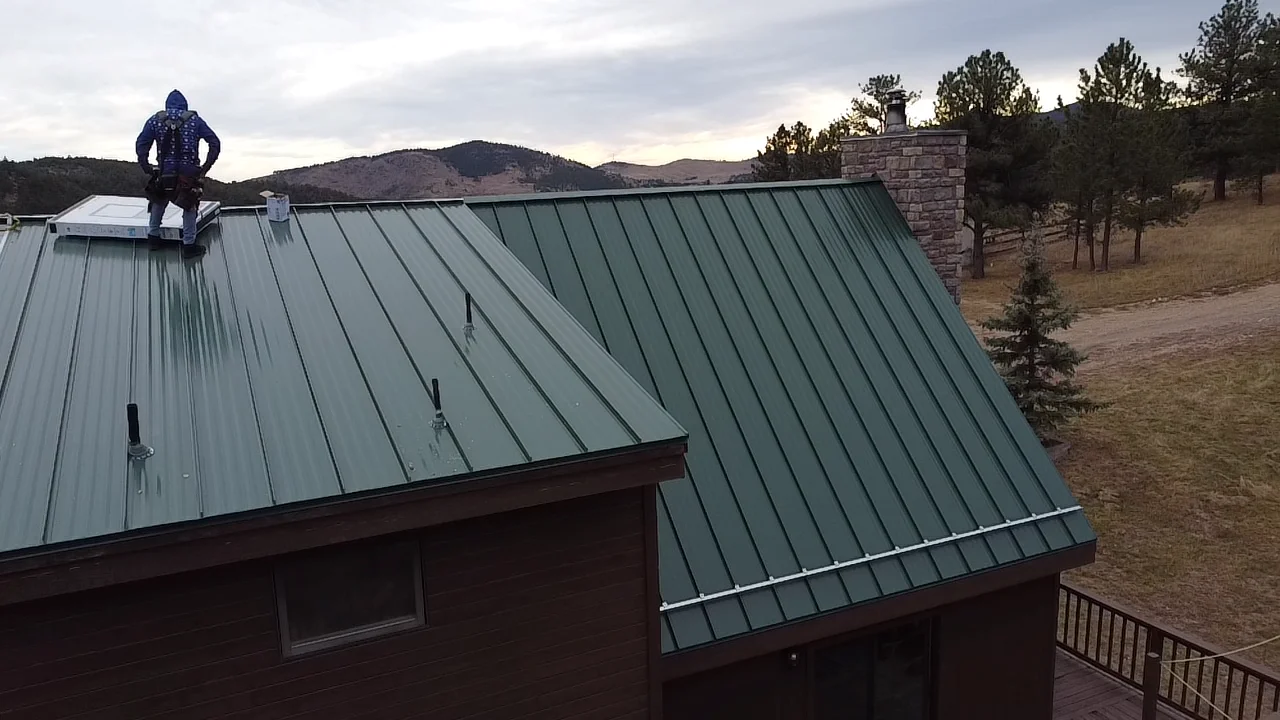
Large-scale roof maintenance and repairs are one of the most demanding responsibilities an HOA board can face. Roofing decisions impact budgets, insurance policies, resident satisfaction, and long-term property values. Understanding how can HOAs simplify the process of large-scale roof maintenance and repairs in Denver starts with moving away from reactive fixes and toward a structured, repeatable approach.
Denver’s climate makes this especially important. Frequent hailstorms, heavy snow loads, and rapid temperature swings accelerate roof wear across multi-family communities. Without clear planning, boards often find themselves responding to emergencies instead of managing assets strategically.
One of the most effective steps an HOA can take is working with an experienced roofing contractor like Summit Roofing Solutions. Summit Roofing Solutions has been in business for over 13 years since February 2012 and understands how to guide HOA boards through complex roofing decisions with clarity, documentation, and dependable timelines.
Why HOA Roofing Projects Feel Overwhelming
HOA roofing projects involve far more than replacing shingles or membranes. Boards must coordinate between multiple buildings, shared ownership structures, property managers, and residents with differing expectations. That complexity increases the risk of miscommunication and delayed decisions.
In Denver, HOAs also face varied roof designs within the same community, ranging from pitched roofs to flat or low-slope systems. Add in permitting requirements and weather delays, and even well-intentioned boards can struggle to keep projects organized.
Recognizing these challenges is the first step in understanding how can HOAs simplify the process of large-scale roof maintenance and repairs in Denver rather than letting complexity dictate outcomes.
Standardized Inspections Create Clarity
Routine professional roof inspections are the foundation of effective HOA roofing management. Annual inspections, along with post-storm evaluations, provide objective data that boards can rely on instead of anecdotal reports from residents.
Inspection reports should include written findings, photos, and clear recommendations ranked by urgency. This allows boards to prioritize repairs, budget accurately, and explain decisions transparently to homeowners.
Over time, consistent inspection records also strengthen insurance claims and reduce disputes over whether damage is storm-related or the result of deferred maintenance.
Preventative Maintenance Reduces Long-Term Costs
Preventative maintenance is one of the most powerful tools available to HOAs. Small repairs completed early often prevent leaks, interior damage, and premature roof failure.
Typical maintenance items include sealing penetrations, repairing flashing, checking drainage systems, and addressing minor membrane or shingle damage. These tasks are far less expensive than emergency repairs and help extend the life of the roofing system.
When residents understand that preventative maintenance protects reserves and reduces the likelihood of special assessments, community support tends to increase.
Align Roofing Decisions With Reserve Studies
Roof replacement is often the largest capital expense an HOA will face. Problems arise when inspection findings and reserve studies are not aligned.
Boards should coordinate professional roof evaluations with reserve study updates. If inspections reveal accelerated deterioration, reserve contributions can be adjusted proactively rather than reactively. If roofs are performing better than expected, boards may gain flexibility in capital planning.
This alignment is a practical answer to how can HOAs simplify the process of large-scale roof maintenance and repairs in Denver while maintaining financial stability and transparency.
Phased Roofing Projects Improve Manageability
For large communities, replacing every roof at once is rarely necessary or practical. Phased roofing allows HOAs to address the most critical areas first while planning future work strategically.
Phasing can be based on building age, exposure, repair history, or storm damage patterns. It spreads costs over time, reduces disruption, and allows boards to refine processes as each phase is completed.
Residents also tend to respond more positively when projects are broken into manageable stages with clear timelines.
Streamlining Insurance Claims After Storm Damage
Hailstorms can damage multiple buildings across an HOA in a single event. Without a clear process, insurance claims can quickly become overwhelming.
A streamlined approach includes prompt inspections, consistent documentation, and contractor coordination with insurance adjusters. This reduces delays and ensures repair scopes align with policy coverage.
Summit Roofing Solutions supports storm damage restoration and insurance claim repair, helping HOAs navigate documentation requirements while minimizing administrative strain on boards and property managers.
Clear Communication Builds Resident Trust
Many HOA roofing challenges stem from communication gaps rather than technical issues. Residents want to know what work is being done, how long it will take, and how it will affect their daily routines.
Effective boards provide advance notices, construction schedules, and regular updates throughout the project. Clear guidance on parking, access, noise, and safety expectations helps prevent frustration.
Consistent communication is a key component of how can HOAs simplify the process of large-scale roof maintenance and repairs in Denver while maintaining community trust.
Job Site Safety and Cleanliness Matter
Occupied multi-family communities require strict safety standards during roofing projects. Boards should expect daily cleanup, clear safety zones, and consistent on-site supervision.
Debris management, magnetic nail sweeps, and protected walkways reduce risk to residents, pets, and vehicles. Clean job sites also reflect professionalism and help maintain goodwill during extended projects.
Safety protocols should be discussed before work begins and reinforced throughout construction.
Material Selection Affects Long-Term Performance
Choosing the right roofing materials simplifies maintenance and reduces future repair frequency. In Denver, impact-resistant shingles and properly engineered systems often perform better during hail events.
For flat or low-slope roofs, membrane selection and drainage design are especially important. Boards should consider lifecycle performance, warranty coverage, and compatibility with existing systems rather than focusing solely on upfront cost.
Smart material choices support long-term planning and predictable maintenance cycles.
Contractor Reputation and Transparency Support Board Decisions
HOA boards are accountable to homeowners, and vendor selection is often scrutinized. Working with a contractor that has a strong local reputation makes decision-making easier and more defensible.
Verified reviews provide reassurance to residents and help boards demonstrate due diligence. If you would like to reference customer experiences, you can see what our customers are saying.
Transparency builds confidence and reduces resistance during approval processes.
FAQ
Who is responsible for roof repairs in an HOA?
In many Colorado HOAs, roofs are considered common elements maintained by the association, but governing documents should always be reviewed for confirmation.
How often should HOAs inspect their roofs?
Annual inspections and post-storm evaluations are widely recommended to identify issues early and support accurate budgeting.
How can HOAs avoid special assessments for roof replacement?
Proactive inspections, aligned reserve planning, and phased replacements are the most effective strategies for minimizing surprise assessments.
How long does a large-scale HOA roof project take?
Timelines vary by community size, weather, and phasing strategy, but many projects span several weeks or months when properly planned.
A More Predictable Way to Manage HOA Roofing
When boards standardize inspections, align roofing decisions with reserve studies, and communicate clearly, roofing becomes far more manageable. This structured approach demonstrates how can HOAs simplify the process of large-scale roof maintenance and repairs in Denver without sacrificing quality or resident confidence.
Treating roofing as an ongoing asset-management responsibility rather than a crisis response leads to better outcomes for the entire community.
Summit Roofing Solutions, LLC
Summit Roofing Solutions, LLC is the trusted, family-run Northern Colorado roofing contractor, providing high-quality craftsmanship and reliable roofing services across Greeley, Fort Collins, and Loveland for over 13 years since February 2012. Backed by decades of combined experience, we specialize in both residential and commercial roofing, handling full roof replacement, expert new construction roofing, and complete storm damage restoration. We are the local experts for seamless insurance claim repair, always prioritizing clear communication, clean job sites, and dependable timelines. With an A+ BBB rating and nearly 100 five-star reviews, when you need a top-rated Greeley roofer or certified Fort Collins roofing company for hail damage, trust us to protect your property and deliver total peace of mind under your next roof. You can learn more about our services, view customer reviews, and connect with a trusted Northern Colorado roofing contractor by visiting Summit Roofing Solutions on Google Maps, proudly serving Greeley, Fort Collins, Loveland, and surrounding communities.