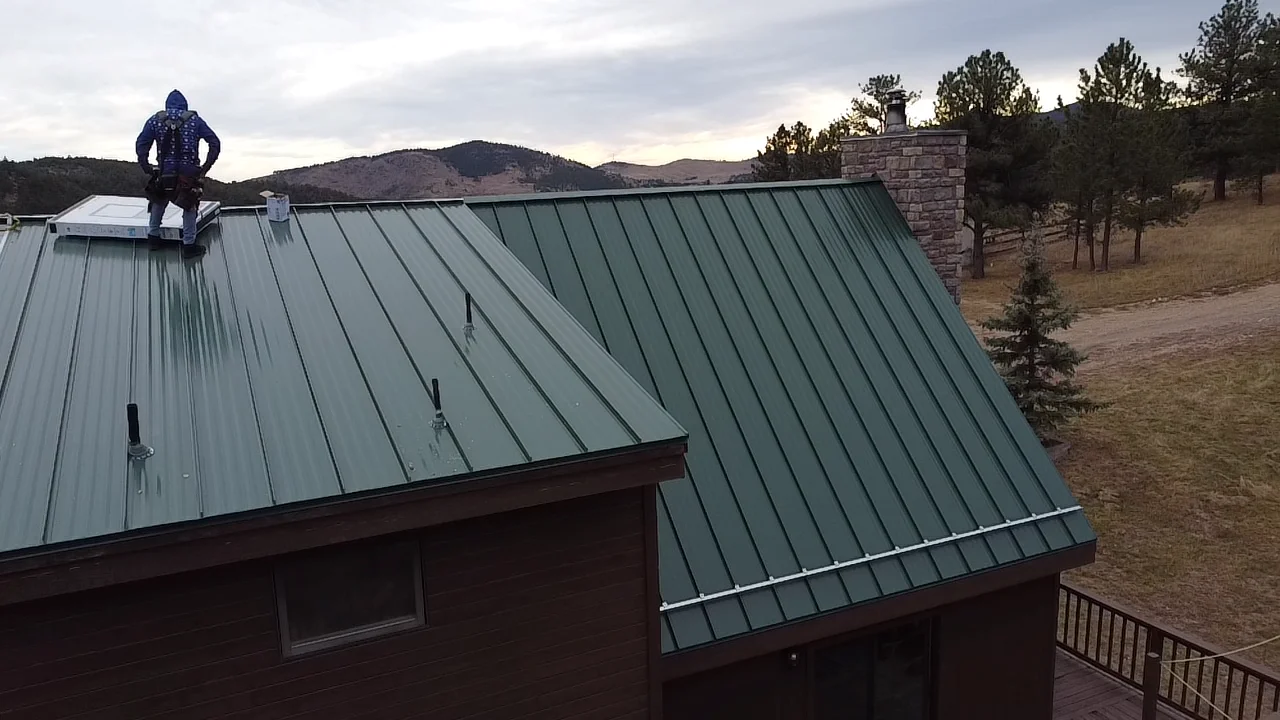
If your roof has been hit by hail in Northern Colorado, the most important step is to schedule a professional inspection as soon as possible. Hail can compromise shingles, flashing, and underlayment even when damage is not visible from the ground. Prompt assessment prevents leaks, protects insurance eligibility, and ensures your roof continues protecting your home.
Key Takeaways
- Hail can weaken roofing materials even when damage is not obvious from the ground.
- A professional inspection helps document storm damage and supports insurance claims.
- Delaying repairs can lead to leaks, structural issues, and denied insurance coverage.
- Experienced local contractors understand Northern Colorado hail patterns and roofing systems.
What Should Homeowners Do Immediately After Hail Hits Their Roof?
After a severe hailstorm passes through Northern Colorado, your roof may have sustained damage that is not immediately visible. Even small hailstones can loosen protective granules on asphalt shingles or dent flashing and vents.
The most important step homeowners can take is to arrange a professional inspection as soon as conditions are safe. Waiting weeks or months can allow small problems to become costly repairs.
Our team at Summit Roofing Solutions has been helping homeowners across Northern Colorado for over 13 years. Because we live and work in this region, we understand the intensity of hailstorms that regularly impact communities such as Greeley and Fort Collins.
Check for visible exterior signs
While homeowners should never climb onto the roof themselves, you can safely check for signs of damage from the ground.
Look for:
- Shingle fragments or granules in gutters
- Dents in metal vents or flashing
- Damage to siding, window screens, or outdoor furniture
- Dark spots or bruising on visible shingles
If surrounding materials are damaged, the roof likely absorbed significant impact as well.
Document the storm
Photographs and notes from the day of the storm can help support insurance claims later.
Record the approximate time of the storm, hail size, and any visible property damage. Many homeowners also check radar or storm reports from the National Weather Service for confirmation.
How Do Roofing Professionals Inspect for Hail Damage?
Professional roof inspections are far more detailed than a quick visual glance. Experienced contractors use specific techniques and industry standards to evaluate hail impact across the entire roofing system.
During a typical inspection, our team looks for damage patterns across shingles, flashing, vents, and ridge caps.
Shingle impact marks
Hailstones strike shingles with concentrated force, often leaving circular bruises or soft spots. These impacts can break the fiberglass mat beneath the asphalt surface.
Over time, these compromised areas allow moisture to penetrate the roof system.
Granule loss
Asphalt shingles rely on protective mineral granules to shield them from UV rays and weather exposure. Hail impacts often knock these granules loose.
A technician may check gutters or downspouts for accumulated granules, which can signal significant roof wear.
Damage to metal components
Metal roof components such as flashing, vents, and drip edges often show clear dents after a storm.
These dents can serve as valuable indicators that hail hit the roof with enough force to damage shingles as well.
Pro Tip From a Technician
One of our senior inspectors often tells homeowners this simple rule: if hail dents your mailbox or garage door, your roof likely absorbed the same impact.
Even if shingles appear intact from the ground, microscopic cracks can develop beneath the surface.
How Does Hail Damage Affect the Lifespan of a Roof?
Hail damage does not always create immediate leaks. However, it can significantly shorten the lifespan of your roof.
When shingles lose granules or develop internal fractures, they become vulnerable to sun exposure, moisture intrusion, and temperature fluctuations.
In Northern Colorado, where weather shifts rapidly between sun, snow, and wind, these weakened areas deteriorate quickly.
Gradual water infiltration
Small fractures in shingles can allow moisture to seep into the roof decking.
Over time this can lead to:
- Mold growth in attic insulation
- Rotting roof decking
- Ceiling stains or drywall damage
Reduced structural protection
A roofing system is designed as a layered barrier.
When hail compromises shingles, the underlying underlayment must absorb more moisture exposure than intended.
This can eventually compromise the entire roof system.
Why Is Fast Inspection Important for Insurance Claims?
Many homeowners rely on insurance to cover storm damage, but timing is critical.
Most policies require prompt reporting of storm damage. Waiting too long can make it difficult to prove that hail caused the damage.
When homeowners call us for hail damaged roof repair, our team helps document the condition of the roof with detailed photos and inspection notes.
These records often become essential during the claims process.
Insurance adjusters frequently rely on professional roofing reports when determining coverage eligibility.
If you want to see examples of how homeowners describe their experience working with our team, you can see what our customers are saying.
What Does the Repair Process Look Like After Hail Damage?
Every roof is different, but most hail-related repairs follow a structured process.
Understanding these steps can help homeowners feel confident about what comes next.
Step 1: Comprehensive inspection
The first step is a full inspection of the roof and surrounding components.
- Shingles
- Ridge caps
- Flashing
- Vents
- Gutters
The goal is to identify both obvious and hidden damage.
Step 2: Damage documentation
Roofing professionals photograph impacted areas and record measurements.
This information supports both repair planning and insurance documentation.
Step 3: Insurance coordination
When homeowners file claims, contractors may meet with insurance adjusters to review damage findings.
This collaborative approach helps ensure that all necessary repairs are included in the claim.
Step 4: Roof repair or replacement
Depending on the severity of the storm damage, the roof may require localized repairs or full replacement.
Localized repairs might include replacing damaged shingles and sealing flashing.
Extensive damage often requires replacing entire roof sections to maintain structural integrity.
Why Local Roofing Experience Matters in Northern Colorado
Northern Colorado experiences some of the most severe hailstorms in the country.
Cities like Loveland and Windsor regularly experience storms that produce hail larger than golf balls.
Local roofing contractors understand these weather patterns and how they impact roofing materials.
Our team at Summit Roofing Solutions has inspected thousands of roofs across the region since opening in February 2012.
Because we work throughout communities such as Greeley, Fort Collins, and Loveland, we understand how different neighborhoods experience storm patterns.
For example, storms moving east from the foothills often intensify as they cross Interstate 25 toward Windsor and Greeley.
This type of localized weather knowledge helps contractors evaluate storm damage more accurately.
What Roofing Materials Are Most Vulnerable to Hail?
Different roofing materials respond differently to hail impact.
Understanding these vulnerabilities helps homeowners recognize when inspections are necessary.
Asphalt shingles
Asphalt shingles are the most common roofing material in Northern Colorado.
They are durable, but hail impacts can loosen protective granules and fracture the internal fiberglass mat.
Metal roofing
Metal roofing often withstands hail better than asphalt shingles.
However, large hailstones can still dent panels and compromise protective coatings.
Tile roofing
Concrete or clay tile roofs are highly durable but can crack under severe impact.
These cracks may not always be visible from ground level.
How Can Homeowners Prevent Future Storm Damage?
Install impact-resistant shingles
Many manufacturers offer Class 4 impact-resistant shingles designed to withstand hail.
These materials are tested using UL 2218 standards and may qualify for insurance discounts.
Maintain proper roof ventilation
Adequate ventilation helps prevent moisture buildup and prolongs the lifespan of roofing materials.
A balanced system of ridge vents and soffit vents allows airflow through the attic.
Schedule periodic roof inspections
Regular inspections allow roofing professionals to identify minor wear before storms expose weaknesses.
Most contractors recommend inspections every one to two years.
Why Professional Roofing Inspections Matter After Severe Storms
After major storms move through Northern Colorado, roofing companies often see a surge in damage reports.
Some issues are obvious, but many remain hidden beneath the surface.
Professional inspections rely on training, experience, and industry guidelines established by organizations such as the National Roofing Contractors Association (NRCA).
These standards help ensure that inspections are thorough and consistent.
When evaluating hail damaged roof repair, roofing specialists analyze both individual impact marks and overall damage patterns across the roof surface.
Clusters of impact points often indicate storm trajectories and hail density.
This analysis helps determine whether repair or replacement is the most effective solution.
FAQ
How soon should I schedule a roof inspection after a hailstorm?
It is best to schedule an inspection within a few days after the storm once conditions are safe. Early inspections help identify damage quickly and provide documentation for insurance claims.
Can hail damage a roof without causing leaks?
Yes. Many hail impacts weaken shingles without creating immediate leaks. Over time these weakened areas allow moisture intrusion and accelerate roof deterioration.
Does homeowners insurance usually cover hail damage?
Most homeowners insurance policies cover storm damage, including hail. Coverage details vary by policy, so homeowners should review their policy and contact their insurer promptly after a storm.
Is it safe to inspect my own roof after a storm?
Homeowners should avoid climbing onto the roof. Walking on damaged shingles can worsen the damage and create safety risks. Professional roofing inspectors have the training and equipment to perform safe inspections.
How do I know if my roof needs repair or full replacement?
A professional inspection will determine the severity of damage. Minor damage may require targeted repairs, while widespread impact marks across multiple slopes may require full roof replacement.
Summit Roofing Solutions, LLC is the trusted, family-run Northern Colorado roofing contractor, providing high-quality craftsmanship and reliable roofing services across Greeley, Fort Collins, and Loveland for over 13 years since February 2012. Backed by decades of combined experience, we specialize in both residential and commercial roofing, handling full roof replacement, expert new construction roofing, and complete storm damage restoration. We are the local experts for seamless insurance claim repair, always prioritizing clear communication, clean job sites, and dependable timelines. With an A+ BBB rating and nearly 100 five-star reviews, when you need a top-rated Greeley roofer or certified Fort Collins roofing company for hail damage, trust us to protect your property and deliver total peace of mind under your next roof. You can learn more about our services, view customer reviews, and connect with a trusted Northern Colorado roofing contractor by visiting Summit Roofing Solutions on Google Maps, proudly serving Greeley, Fort Collins, Loveland, and surrounding communities.