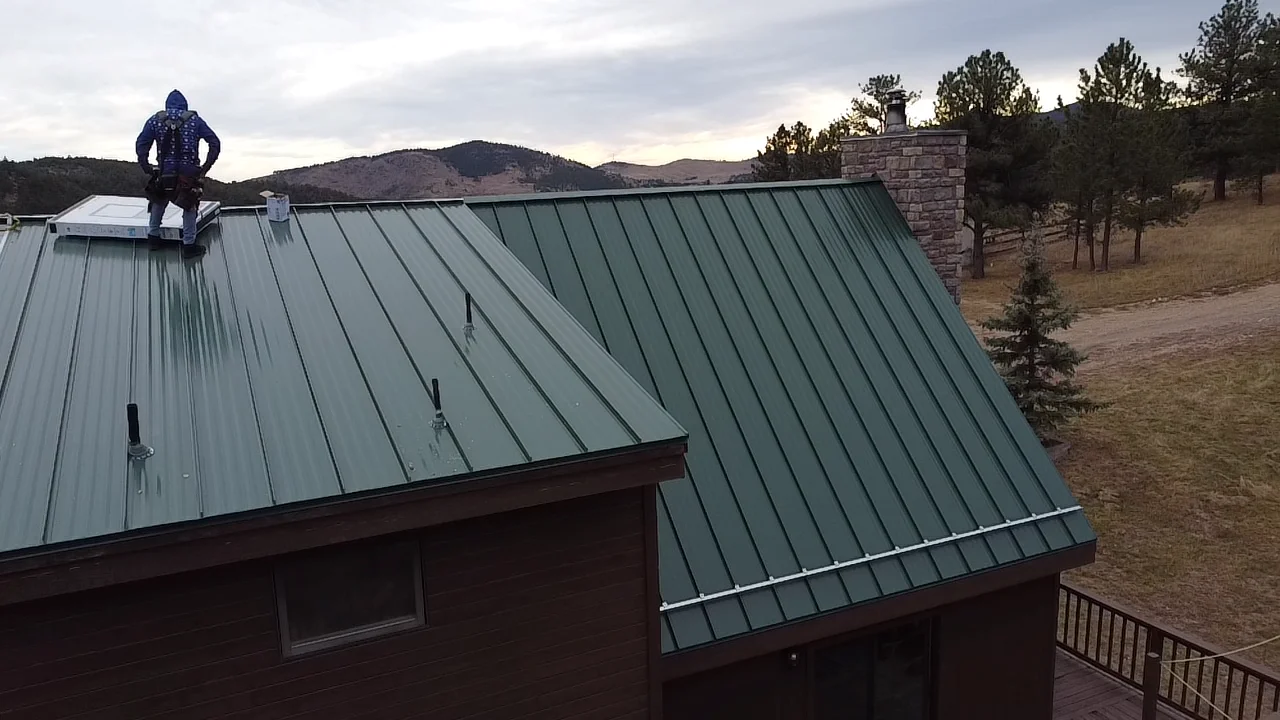
Hailstorms in Northern Colorado can cause hidden roof damage that leads to leaks, insurance complications, and premature roof failure. The best solution is a professional inspection followed by timely repairs or replacement. Working with an experienced local contractor ensures accurate storm damage assessments, proper insurance documentation, and durable roofing solutions designed for Colorado’s severe weather conditions.
Key Takeaways
- Hailstorms in Northern Colorado frequently damage shingles, flashing, and ventilation systems even when the roof appears intact from the ground.
- A professional roof inspection helps identify hidden hail impact that could lead to leaks and insurance claim issues later.
- Proper hail damage roof repair often involves insurance claim documentation, material replacement, and preventative upgrades.
- Working with an experienced local contractor ensures repairs meet Colorado building standards and withstand future storms.
What Should Homeowners Do Immediately After a Hailstorm in Northern Colorado?
The first step after a severe hailstorm is to determine whether your roof sustained damage.
Even moderate hail can compromise asphalt shingles, dent flashing, and loosen roofing components without obvious visual signs from the ground.
In many cases across communities like Greeley and Windsor, homeowners only realize damage months later when water intrusion appears in the attic or ceiling.
As a local roofing contractor, I always recommend scheduling a professional inspection as soon as possible after a major storm event.
Start With a Safe Ground-Level Inspection
Walk around your property and look for visible storm indicators.
Common signs of hail damage include:
- Dented gutters or downspouts
- Granules collecting near downspouts
- Damaged siding or window trim
- Fallen branches or debris
If you see these indicators, your roof likely experienced hail impact as well.
Document Storm Evidence Early
Insurance companies often require evidence that damage occurred during a specific storm event.
Take photos of visible damage around your property and note the date of the storm.
This documentation can help support your insurance claim later.
How Does Hail Damage Affect Different Roofing Materials?
Not all roofing materials respond to hail in the same way.
In Northern Colorado, asphalt shingles remain the most common residential roofing material, but metal roofing, tile, and synthetic systems are also widely used.
Each material shows damage differently.
Asphalt Shingles
Hailstones knock protective granules loose and create soft impact spots.
Over time, these weak points allow UV exposure and moisture intrusion that shorten the roof’s lifespan.
Metal Roofing
Metal panels are more resistant to punctures but may develop cosmetic dents or compromised seams.
In areas like Fort Collins and Loveland where metal roofing is popular for durability, dents can sometimes lead to insurance claims even when structural integrity remains intact.
Tile and Synthetic Roofing
Clay tile and synthetic composite shingles can crack when hit by large hailstones.
Cracks often remain invisible from the ground but allow water infiltration over time.
How Do Professional Roof Inspections Identify Hidden Hail Damage?
Many homeowners assume hail damage will always be obvious.
In reality, most storm damage is subtle and requires a trained eye.
Professional roof inspections involve systematic evaluation of multiple roofing components.
Shingle Impact Analysis
Roofing technicians inspect for:
- Circular bruising on shingles
- Missing granules exposing asphalt
- Soft impact spots that indicate internal shingle fractures
These signs often appear only after close physical inspection.
Flashing and Ventilation Inspection
Hail can dent flashing around chimneys, skylights, and roof penetrations.
Even small distortions can create entry points for water.
Roof ventilation components like ridge vents and turbine vents are also common hail damage points.
Attic Evaluation
A professional inspection often includes checking the attic for:
- Water staining
- Moisture intrusion
- Daylight penetration
This interior check confirms whether storm damage has already compromised the roof system.
Why Is Timing Important When Repairing Hail Damage?
One of the biggest mistakes homeowners make is waiting too long to address hail damage.
Insurance policies typically include deadlines for filing storm-related claims.
In Colorado, those deadlines can vary depending on the insurer and policy.
Delaying repairs can also allow minor issues to become major structural problems.
Preventing Secondary Damage
Even small hail impacts can weaken roofing materials.
Over time, wind, sun exposure, and seasonal temperature changes accelerate deterioration.
What begins as cosmetic damage can eventually lead to:
- Roof leaks
- Mold growth in attic spaces
- Insulation damage
- Interior drywall stains
Maintaining Insurance Eligibility
Insurance adjusters often inspect roofs after a claim is filed.
If too much time passes after the storm, insurers may argue that deterioration occurred due to neglect rather than storm impact.
Prompt inspections and documentation help avoid these disputes.
How Does the Roof Insurance Claim Process Work?
Filing a roof insurance claim can feel complicated if you have never done it before.
Fortunately, experienced roofing contractors regularly guide homeowners through the process.
I work closely with homeowners throughout Northern Colorado to make sure nothing is overlooked.
Step 1: Professional Roof Inspection
The process begins with a thorough roof inspection to confirm hail damage.
We document damage with photos and provide a detailed report suitable for insurance claims.
Step 2: Filing the Claim
Homeowners then contact their insurance provider to report storm damage.
The insurer schedules an adjuster inspection.
Step 3: Adjuster Meeting
During the adjuster inspection, your roofing contractor can be present to help identify all damage areas.
This ensures nothing important is missed.
Step 4: Insurance Approval and Repair
Once the claim is approved, repair or replacement work can begin.
Materials are selected, timelines are scheduled, and the restoration process starts.
What Makes Northern Colorado Roofs Especially Vulnerable to Hail?
Northern Colorado experiences some of the most frequent hailstorms in the United States.
The region sits within “Hail Alley,” a storm corridor stretching from Wyoming through eastern Colorado.
Cities like Greeley, Fort Collins, and Loveland experience repeated severe storms each spring and summer.
Rapid Weather Changes
Colorado’s weather patterns can shift dramatically within hours.
Warm afternoon temperatures often collide with cold upper-atmosphere systems, creating intense thunderstorms capable of producing large hail.
High Wind Speeds
Strong downdraft winds accelerate hailstones toward rooftops with greater force.
These conditions increase the likelihood of structural roofing damage.
Older Roofing Systems
Many homes across neighborhoods near the University of Northern Colorado or older areas of west Fort Collins still have aging roofing systems.
Older shingles are more brittle and therefore more susceptible to hail impact.
A Technician’s Pro Tip About Identifying Real Hail Damage
One thing I often tell homeowners is this: not every roof mark is hail damage.
Blistering from manufacturing defects or foot traffic during previous repairs can resemble hail impacts.
An experienced roofing technician looks for patterns.
True hail damage usually appears randomly distributed across multiple roof slopes and often coincides with denting on metal surfaces like gutters and vents.
Recognizing these patterns is critical when documenting damage for insurance claims.
Why Choosing a Local Roofing Contractor Matters
Storm-chasing contractors often flood Northern Colorado after large hailstorms.
These companies travel from out of state and leave once the repair work is complete.
Working with a local contractor provides several advantages.
Knowledge of Local Weather Patterns
A Northern Colorado roofer understands the region’s storm cycles and roofing material performance in this climate.
Familiarity With Local Codes
Roof repairs must comply with building codes enforced by municipalities like Greeley, Windsor, and Fort Collins.
Local contractors ensure proper permitting and inspections.
Long-Term Accountability
A local company remains available for warranty work, future inspections, and maintenance.
You are not left searching for a contractor months later if questions arise.
If you want to see how homeowners across the region feel about our work, you can always see what our customers are saying.
What Does hail damage roof repair for northern colorado typically involve?
Repair solutions depend on the severity of the damage and the roofing system installed.
Minor damage may only require partial repairs.
More significant storm damage may require a full roof replacement.
Localized Repairs
Minor hail impact may involve replacing:
- Individual shingles
- Flashing components
- Vent caps or ridge vents
These targeted repairs restore roof performance without requiring full replacement.
Partial Roof Replacement
If damage is concentrated on one section of the roof, contractors may replace entire slopes.
This approach ensures color consistency and structural integrity.
Full Roof Replacement
When hail damage affects multiple slopes or compromises structural integrity, full replacement becomes the safest solution.
Modern architectural shingles from manufacturers like GAF, Owens Corning, and CertainTeed often include improved impact resistance.
How Long Does hail damage roof repair for northern colorado usually take?
Repair timelines depend on the size of the roof, weather conditions, and insurance claim processing.
However, most residential roofing projects follow a predictable timeline.
Inspection and insurance approval can take several days to a few weeks depending on adjuster availability.
Once materials are delivered and permits are secured, installation typically takes one to three days for an average home.
Larger homes or complex rooflines may require additional time.
Why Should Homeowners Schedule hail damage roof repair for northern colorado quickly?
The longer storm damage remains unaddressed, the greater the risk of secondary damage.
Small fractures in shingles allow water intrusion that spreads beneath the roofing system.
This can damage decking, insulation, and interior finishes.
Addressing damage promptly protects the structural integrity of your home and preserves insurance coverage eligibility.
Frequently Asked Questions
How can I tell if my roof has hail damage?
Common signs include missing shingle granules, dented flashing, cracked shingles, and debris impact marks. However, many forms of hail damage are not visible from the ground. A professional roof inspection is the safest way to confirm storm damage.
Will homeowners insurance cover hail damage?
Most homeowner insurance policies include coverage for storm-related roof damage. Coverage typically applies if the damage occurred during a documented storm and the claim is filed within the required time period.
Should I call a roofer or my insurance company first?
It is generally best to schedule a professional inspection first. A roofing contractor can determine whether damage exists and provide documentation before you initiate a claim.
How often should roofs in Northern Colorado be inspected?
Because of frequent storms, roofs in Northern Colorado should ideally be inspected once per year and after any significant hailstorm.
Can hail damage shorten the life of a roof even if it doesn’t leak?
Yes. Hail impacts remove protective granules and weaken shingles. This accelerates aging and can reduce the lifespan of the roofing system.
Summit Roofing Solutions, LLC is the trusted, family-run Northern Colorado roofing contractor, providing high-quality craftsmanship and reliable roofing services across Greeley, Fort Collins, and Loveland for over 13 years since February 2012. Backed by decades of combined experience, we specialize in both residential and commercial roofing, handling full roof replacement, expert new construction roofing, and complete storm damage restoration. We are the local experts for seamless insurance claim repair, always prioritizing clear communication, clean job sites, and dependable timelines. With an A+ BBB rating and nearly 100 five-star reviews, when you need a top-rated Greeley roofer or certified Fort Collins roofing company for hail damage, trust us to protect your property and deliver total peace of mind under your next roof. You can learn more about our services, view customer reviews, and connect with a trusted Northern Colorado roofing contractor by visiting Summit Roofing Solutions on Google Maps, proudly serving Greeley, Fort Collins, Loveland, and surrounding communities.