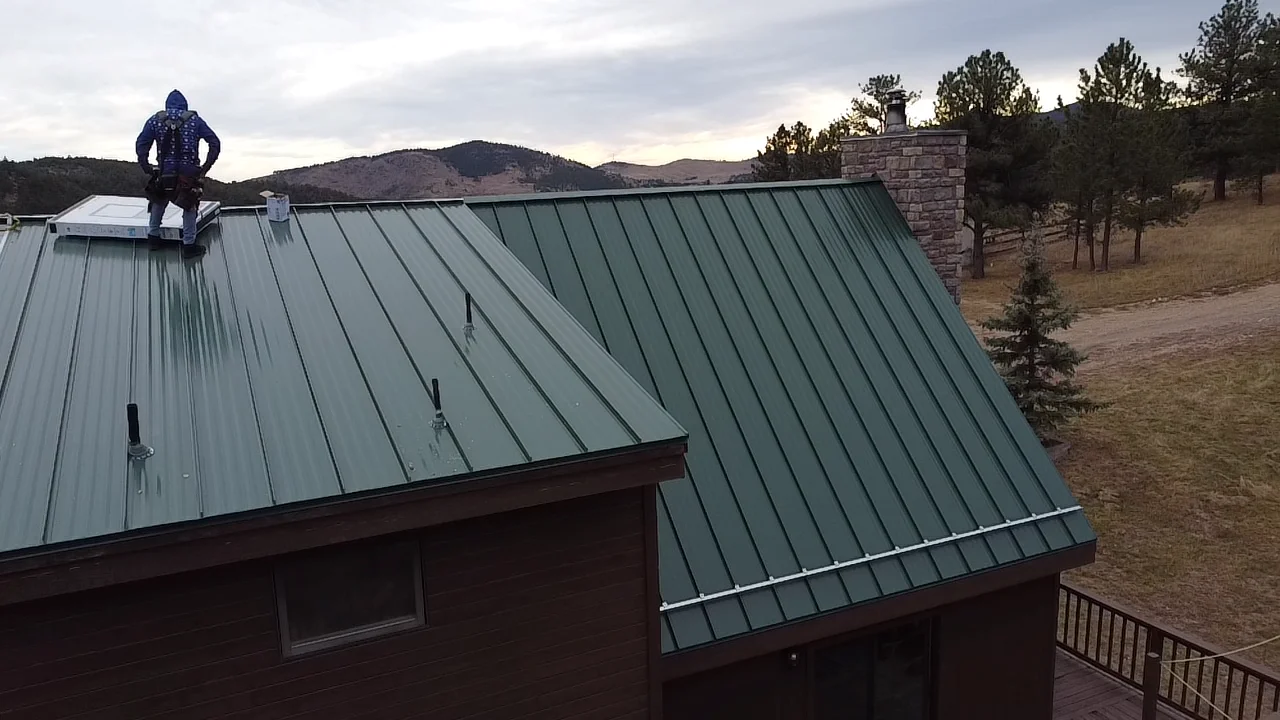
Commercial roof hail damage can compromise waterproofing, insulation, and structural performance within a single storm. Property owners should schedule a professional inspection immediately after hail, document visible impacts, and begin the insurance claim process quickly to prevent leaks, warranty issues, and escalating repair costs.
Key Takeaways
- Hail can puncture membranes, fracture shingles, dent metal panels, and weaken seams on commercial roofing systems.
- Fast professional inspections help identify hidden structural damage and support accurate insurance claims.
- Proper documentation, photos, and contractor reports are essential when working with adjusters.
- Preventive maintenance and storm-response plans significantly reduce long-term commercial roofing costs.
What Damage Does Hail Cause to Commercial Roofing Systems?
Hailstorms are one of the most destructive weather events for commercial roofing systems in Northern Colorado. Even when impacts appear minor from the ground, the force of hailstones can weaken roofing materials and create vulnerabilities that lead to leaks months later.
In our experience at Summit Roofing Solutions, the severity of damage depends on several variables including hail size, wind speed, roof age, and roofing material.
Common forms of commercial roof damage include:
- Punctures in single-ply membranes such as TPO or EPDM
- Cracked asphalt shingles on pitched commercial buildings
- Dents in standing seam metal roofing panels
- Broken sealants around flashing and penetrations
- Damage to rooftop HVAC units and skylights
- Compromised insulation layers beneath the membrane
Many property owners in areas like Greeley and Fort Collins initially assume their roof survived a storm because they do not see immediate leaks. However, hail often causes microscopic fractures in materials that gradually expand as temperatures fluctuate.
Over time, these small weaknesses allow moisture infiltration that damages insulation, decking, and interior ceilings.
Why Commercial Roof Systems Are Particularly Vulnerable
Commercial roofs often cover thousands of square feet. This large surface area dramatically increases the likelihood that at least one portion of the roof sustained impact damage during a hailstorm.
Flat roofing systems also rely heavily on seams, adhesives, and flashing details. These components are especially vulnerable to hail strikes.
Once those connections are weakened, water intrusion can travel laterally beneath the membrane before appearing inside the building.
That delay is why early inspections are critical.
How Should Property Owners Respond After a Hailstorm?
The first 24 to 72 hours after a severe storm are the most important window for protecting your building and documenting damage.
When commercial roof hail damage occurs, we typically recommend the following response steps.
Schedule a Professional Roof Inspection
A licensed roofing contractor should inspect the roof as soon as conditions are safe.
At Summit Roofing Solutions, we perform detailed storm inspections using techniques recommended by organizations like the National Roofing Contractors Association (NRCA) and manufacturers such as GAF and Owens Corning.
During the inspection we evaluate:
- Membrane punctures
- Granule loss
- Flashing displacement
- Impact dents in metal systems
- Moisture intrusion under roofing layers
We also inspect rooftop equipment, drains, and expansion joints that may have sustained impact damage.
Document All Visible Damage
Thorough documentation is essential when filing insurance claims.
Professional inspectors typically photograph:
- Impact marks
- Soft spots in roofing membranes
- Cracked skylight lenses
- Bent metal flashing
- Dented mechanical equipment
This visual evidence provides adjusters with a clear record of storm-related damage.
Protect the Building From Immediate Water Intrusion
Temporary protective measures may be necessary to prevent further damage.
- Emergency roof tarping
- Temporary sealant application
- Clearing debris from drains
- Isolating punctured membrane areas
These steps help stabilize the building until permanent repairs or replacement can be completed.
Can Commercial Roof Hail Damage Be Hidden?
Yes. Some of the most serious commercial roof problems develop weeks or months after a storm.
Certain roofing materials can absorb impact without obvious surface fractures. Over time, however, those materials weaken and fail under normal weather cycles.
This is why commercial roof hail damage inspections must go beyond surface-level visual checks.
Subsurface Moisture Intrusion
Hail can compress insulation layers beneath roofing membranes.
Once insulation is compressed, it loses its thermal performance and may begin absorbing moisture. Wet insulation significantly reduces energy efficiency and accelerates roof deterioration.
Infrared moisture scanning is often used to detect these hidden issues.
Membrane Microfractures
Single-ply membranes like TPO and PVC may develop tiny cracks when struck by hail.
These cracks are not always visible immediately. Temperature expansion cycles gradually widen them until leaks begin forming.
Metal Roofing Panel Stress
Metal commercial roofs can withstand hail well, but repeated impacts may weaken panel coatings and fasteners.
Over time, corrosion or loosening fasteners may compromise waterproofing.
In our inspections across Loveland and surrounding Northern Colorado communities, we often find that hidden damage is the most costly issue when storms are not addressed promptly.
How Do Insurance Claims Work for Commercial Roofing Storm Damage?
Insurance claims can feel complicated, especially for property managers responsible for large buildings.
Fortunately, the process becomes much smoother when experienced roofing professionals are involved early.
When commercial roof hail damage occurs, we help guide building owners through each stage of the claim process.
Initial Inspection Report
The roofing contractor provides documentation of storm-related impacts.
- Photo documentation
- Damage mapping diagrams
- Estimated repair scope
- Recommended replacement areas
Insurance adjusters rely heavily on this documentation when evaluating claims.
Insurance Adjuster Inspection
Most insurance carriers will send an adjuster to inspect the roof.
During this visit, the contractor and adjuster review storm impacts together. This collaborative approach ensures that all damage is accurately identified.
Our team frequently meets adjusters onsite across Greeley, Windsor, and Fort Collins to help clarify technical roofing conditions.
Scope Approval and Project Scheduling
Once the insurance carrier approves the claim, repair or replacement work can be scheduled.
Commercial roofing projects often require careful coordination to minimize business disruption.
Work may include:
- Partial membrane replacement
- Flashing system repairs
- Insulation replacement
- Full roofing system installation
What Types of Commercial Roofs Are Most Susceptible to Hail?
Certain roofing materials perform better during hailstorms than others.
However, every roofing system can sustain damage depending on hail size and storm intensity.
Single-Ply Roofing Systems
TPO, EPDM, and PVC membranes are widely used in commercial construction.
These systems are durable but vulnerable to punctures from larger hailstones.
Modified Bitumen Roofing
Modified bitumen roofs contain asphalt layers reinforced with fiberglass or polyester.
While durable, the granulated surface may lose protective material after repeated hail impacts.
Metal Commercial Roofing
Standing seam metal roofs generally perform well during hail events.
However, dents can still affect aesthetic appearance and sometimes compromise panel coatings.
Built-Up Roofing Systems
Older commercial buildings may still have built-up roofing (BUR) systems composed of multiple asphalt layers.
Hail impacts can crack or displace these layers over time.
How Can Property Owners Prevent Severe Storm Damage?
While storms cannot be prevented, proactive maintenance significantly reduces the risk of catastrophic damage.
Routine inspections and repairs extend the lifespan of commercial roofs.
Schedule Regular Maintenance Inspections
Annual inspections allow roofing contractors to identify weak areas before storms strike.
Typical maintenance checks include:
- Flashing integrity
- Membrane seam strength
- Drainage performance
- Sealant conditions
Preventive maintenance is far less expensive than emergency roof replacement.
Install Impact-Resistant Roofing Materials
Some roofing systems are rated for hail resistance under standards from organizations like UL and FM Global.
Impact-rated roofing materials can reduce the severity of damage during hailstorms.
Maintain Rooftop Equipment
Loose mechanical units or damaged HVAC supports can worsen storm damage.
Securing rooftop equipment protects both the roof system and the equipment itself.
A Technician’s Pro Tip From the Field
One of our technicians often shares a simple observation with commercial property managers.
If you see dents in rooftop HVAC units or metal vents after a storm, the roofing system likely experienced similar impacts.
These metal components act like hail gauges.
Even when the roof surface looks intact, those dents usually signal that a professional inspection is necessary.
Why Professional Inspections Matter After a Storm
Property owners sometimes delay inspections because they assume their roof is fine.
Unfortunately, small storm impacts can turn into expensive structural repairs if left unaddressed.
Professional roofing inspections provide:
- Early detection of hidden damage
- Accurate documentation for insurance claims
- Preventive repair opportunities
- Extended roof lifespan
We often meet commercial clients who discovered leaks months after storms that hit areas like Windsor or downtown Fort Collins.
In those situations, early inspections could have prevented interior damage and business interruptions.
If you want to understand how other building owners evaluate their roofing contractors, you can always see what our customers are saying.
Why Local Roofing Experience Matters in Northern Colorado
Northern Colorado experiences some of the most frequent hailstorms in the United States.
Cities like Greeley, Loveland, and Fort Collins regularly see severe convective storms during the spring and summer months.
Local contractors understand regional weather patterns, insurance requirements, and roofing materials that perform best in this climate.
Our team has inspected thousands of roofs throughout Weld County and Larimer County.
This local knowledge helps us identify storm patterns, material vulnerabilities, and insurance documentation requirements more effectively.
Frequently Asked Questions
How quickly should a commercial roof be inspected after a hailstorm?
Ideally within 24 to 72 hours. Early inspections help identify damage before leaks occur and allow property owners to document storm impacts for insurance claims.
Can hail damage void a commercial roof warranty?
Yes, depending on the manufacturer and warranty terms. Severe impact damage may void certain coverage if repairs are not performed promptly by a qualified contractor.
Is roof replacement always required after hail damage?
Not always. Some roofs only need localized repairs. However, widespread membrane punctures or insulation damage may require full replacement.
Does insurance typically cover hail damage to commercial roofs?
Most commercial property insurance policies include storm damage coverage. Approval depends on inspection findings and documentation.
How can property managers verify storm damage before filing a claim?
Professional roofing inspections provide the most reliable verification. Contractors can document damage and help determine whether filing a claim is appropriate.
Summit Roofing Solutions, LLC is the trusted, family-run Northern Colorado roofing contractor, providing high-quality craftsmanship and reliable roofing services across Greeley, Fort Collins, and Loveland for over 13 years since February 2012. Backed by decades of combined experience, we specialize in both residential and commercial roofing, handling full roof replacement, expert new construction roofing, and complete storm damage restoration. We are the local experts for seamless insurance claim repair, always prioritizing clear communication, clean job sites, and dependable timelines. With an A+ BBB rating and nearly 100 five-star reviews, when you need a top-rated Greeley roofer or certified Fort Collins roofing company for hail damage, trust us to protect your property and deliver total peace of mind under your next roof. You can learn more about our services, view customer reviews, and connect with a trusted Northern Colorado roofing contractor by visiting Summit Roofing Solutions on Google Maps, proudly serving Greeley, Fort Collins, Loveland, and surrounding communities.