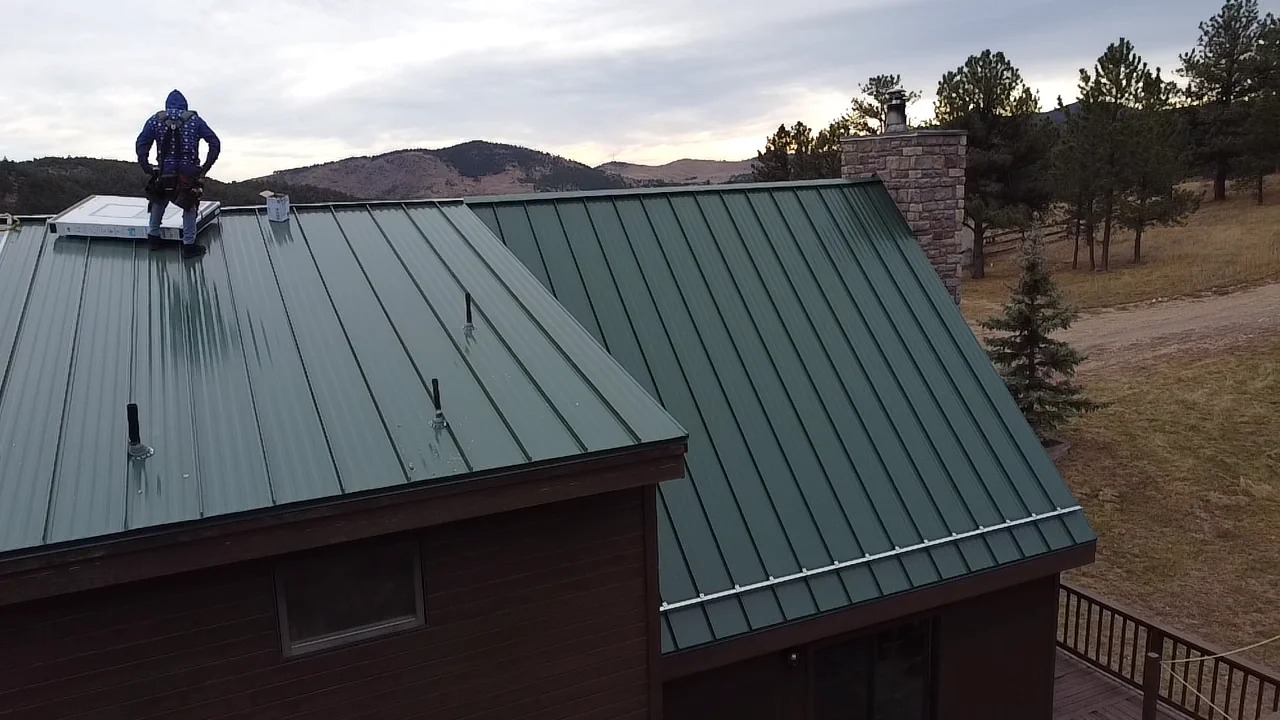
The most common signs you need a new roof include widespread shingle curling, excessive granule loss, recurring leaks, visible storm damage, and an aging roofing system. In Northern Colorado, hail, high winds, and seasonal temperature changes can accelerate roof deterioration. Identifying these warning signs early helps property owners determine whether targeted repairs or full roof replacement is the better option.
Key Takeaways
- Check asphalt shingles for widespread curling, cracking, missing sections, and exposed underlying material.
- Inspect gutters for excessive shingle granules, especially after severe storms or as the roof ages.
- Address recurring leaks, ceiling stains, and damp attic insulation promptly to prevent further water damage.
- Schedule a professional roof inspection after hail or high winds, even when damage is not visible from the ground.
- Compare repair needs, roof age, and the extent of damage before deciding between replacement and another repair.
What Are the 5 Warning Signs You May Need a New Roof?
The five main warning signs are deteriorating shingles, excessive granule loss, recurring leaks, widespread storm damage, and an aging roof with repeated performance problems. Any one sign warrants closer evaluation, while multiple signs across the roof may indicate that replacement is more practical than continued repairs.
1. Shingles Are Curling, Cracking, or Missing
Asphalt shingles that curl at the edges, crack across their surfaces, or detach from the roof can no longer provide consistent weather protection. Isolated damage may be repairable, but widespread deterioration can indicate that the roofing system is nearing the end of its useful life.
Look for these visible changes:
- Shingle edges that curl upward or tabs that lift.
- Cracks, broken corners, or missing shingles.
- Exposed roofing layers beneath damaged shingles.
- Uneven patches where previous repairs differ from surrounding materials.
Northern Colorado’s strong solar exposure and large seasonal temperature swings can contribute to the gradual deterioration of roofing materials. Repeated expansion and contraction also place stress on sealants, flashing, and other roof components.
2. Granules Are Accumulating in Your Gutters
Excessive granule loss is one of the most useful signs that asphalt shingles may be deteriorating. The protective granules shield the asphalt backing from ultraviolet radiation, and substantial loss can leave the underlying mat more vulnerable to weathering.
Small amounts of granules can appear in gutters on relatively new roofs, particularly after installation. However, heavy or persistent accumulation combined with bald patches on shingles can signal advanced wear.
Expert tip: Check gutter debris alongside the condition of the shingles themselves. Widespread granule loss combined with shingle cupping or curling is a stronger indication of possible replacement needs than minor granule accumulation alone.
Do not climb onto the roof to inspect shingles. A ground-level visual check or professional inspection can identify these problems without exposing you to fall hazards.
3. Roof Leaks or Interior Water Stains Keep Returning
Recurring leaks indicate that water is getting past the roof’s protective layers, flashing, or other vulnerable areas. Brown ceiling stains, peeling paint, damp attic insulation, and musty odors can all signal moisture intrusion.
A single leak does not automatically mean you need a new roof. Damaged flashing, a failed roof penetration seal, or a small area of missing shingles may be repairable if the surrounding materials remain sound.
Replacement becomes more likely when leaks occur in multiple locations, repairs repeatedly fail, or moisture damage affects broad sections of the roofing system. Prompt evaluation can also help limit damage to insulation, framing, drywall, and other building materials.
4. Hail or High Winds Have Damaged the Roofing System
Hail impacts and wind damage can compromise shingles even when the roof looks acceptable from the ground. Hail may bruise or fracture shingles, damage flashing and vents, and affect gutters, while strong winds can lift shingle edges or remove entire sections.
This risk is especially relevant in Greeley, Fort Collins, Loveland, and Windsor, where Northern Colorado experiences damaging hailstorms and severe thunderstorms, particularly from late spring through summer.
After a significant storm, look for:
- Missing, lifted, or displaced shingles.
- Visible dents or damage to gutters, vents, and metal flashing.
- Debris accumulation or damaged roof edges.
- New ceiling stains or leaks following rainfall.
A professional inspection can distinguish cosmetic wear from functional damage and help determine whether localized repairs or broader restoration are warranted. If you suspect an insurance claim may be appropriate, document visible damage from a safe location and contact your insurer before authorizing major work.
Summit Roofing Solutions is a family-run roofing contractor serving Greeley and surrounding Northern Colorado communities since February 2012, bringing more than 13 years of service to residential and commercial roofing projects. Property owners can read our local client reviews in Greeley when evaluating a contractor for storm damage, roof repairs, or replacement.
5. Your Roof Is Aging and Needs Frequent Repairs
Roof age becomes a stronger replacement indicator when combined with recurring maintenance problems and visible material deterioration. Many asphalt shingle roofs last roughly 20 to 30 years, although the actual lifespan depends on shingle quality, installation, ventilation, maintenance, and weather exposure.
Consider replacement when several of these conditions apply:
- The roof is approaching or exceeding its expected service life.
- Leaks or damaged shingles recur after previous repairs.
- Deterioration appears across multiple roof sections.
- Flashing, underlayment, or other components show signs of failure.
- Repair needs are becoming extensive relative to the roof’s remaining useful life.
Age alone does not determine whether replacement is necessary. A professional assessment of the roof’s current condition helps establish whether repairs can extend its service life or whether replacement offers a more dependable long-term solution.
How Can You Tell If Your Roof Needs Repair or Full Replacement?
The extent of the damage, the condition of surrounding materials, and the roof’s age help determine whether repairs or replacement make more sense. Localized damage on an otherwise healthy roof may be repairable, while widespread deterioration often supports replacing the roofing system.
| Warning sign | Repairs may be sufficient when | Replacement may be appropriate when |
| Missing shingles | Damage is isolated and surrounding shingles remain sound | Missing or damaged shingles are widespread |
| Granule loss | Wear is minor and limited to a small area | Bald patches and heavy granule loss appear across the roof |
| Roof leaks | One identifiable flashing or penetration issue caused the leak | Leaks recur across multiple areas or underlying materials are deteriorated |
| Hail damage | Damage is limited and the rest of the roof remains functional | Impacts have compromised extensive areas of roofing |
| Aging materials | The roof remains sound and repairs can extend its service life | Age coincides with widespread deterioration and repeated failures |
A roofing inspection should evaluate shingles, flashing, roof penetrations, drainage, and accessible underlying components. The inspection findings, rather than one isolated symptom, should guide the recommendation.
How Does Northern Colorado Weather Affect Roof Lifespan?
Northern Colorado’s hail exposure, strong winds, and freeze-thaw cycles can accelerate roofing deterioration and make regular inspections especially useful. Roofs in Greeley, Fort Collins, Loveland, and Windsor must withstand changing conditions throughout the year.
Three regional factors deserve particular attention.
- Hail and severe thunderstorms: Hail can damage shingle surfaces and other roof components, while high winds can lift shingles and weaken vulnerable edges. Inspect the roof after significant storms, even if damage is not immediately visible.
- Freeze-thaw cycles: Winter moisture can enter vulnerable areas and refreeze as temperatures fall. Proper flashing, underlayment, insulation, and ventilation help reduce moisture-related problems.
- High-elevation solar exposure: At roughly 4,700 feet, Greeley experiences strong solar exposure. Ultraviolet radiation can contribute to asphalt shingle deterioration, making granule loss and exposed shingle backing worth monitoring.
Roofing requirements also differ by municipality. For example, Fort Collins has specific provisions for impact-resistant asphalt shingles in qualifying replacement projects, along with requirements addressing ice barriers and high-wind installation conditions. Property owners should verify current local codes and permit requirements before choosing materials or scheduling a replacement.
Frequently Asked Questions
How often should I have my roof inspected in Northern Colorado?
Arrange a professional inspection after significant hail or wind events and when you notice signs of deterioration. Periodic inspections can also help identify developing problems before they lead to interior water damage.
Can I replace only the damaged shingles instead of the entire roof?
Yes, localized shingle replacement may be sufficient when the surrounding roofing materials remain in good condition. Widespread granule loss, curling, recurring leaks, or extensive storm damage may make full replacement the more suitable option.
Does hail damage automatically qualify me for an insurance claim?
No. Coverage depends on your insurance policy, the type and extent of damage, and the insurer’s assessment. Document visible damage safely, review your policy, and contact your insurance company to understand the claims process.
What is the typical lifespan of an asphalt shingle roof?
Many asphalt shingle roofs last approximately 20 to 30 years, although actual service life varies with material quality, installation, ventilation, maintenance, and weather exposure. Regular inspections can help identify deterioration and determine when repairs or replacement are warranted.
Summit Roofing Solutions, LLC is the trusted, family-run Northern Colorado roofing contractor, providing high-quality craftsmanship and reliable roofing services across Greeley, Fort Collins, and Loveland for over 13 years since February 2012. Backed by decades of combined experience, we specialize in both residential and commercial roofing, handling full roof replacement, expert new construction roofing, and complete storm damage restoration. We are the local experts for seamless insurance claim repair, always prioritizing clear communication, clean job sites, and dependable timelines. With an A+ BBB rating and nearly 100 five-star reviews, when you need a top-rated Greeley roofer or certified Fort Collins roofing company for hail damage, trust us to protect your property and deliver total peace of mind under your next roof. You can learn more about our services, view customer reviews, and connect with a trusted Northern Colorado roofing contractor by visiting Summit Roofing Solutions on Google Maps, proudly serving Greeley, Fort Collins, Loveland, and surrounding communities.